
The Power of Travel
How Exploring the World Boosts Your Mental Health
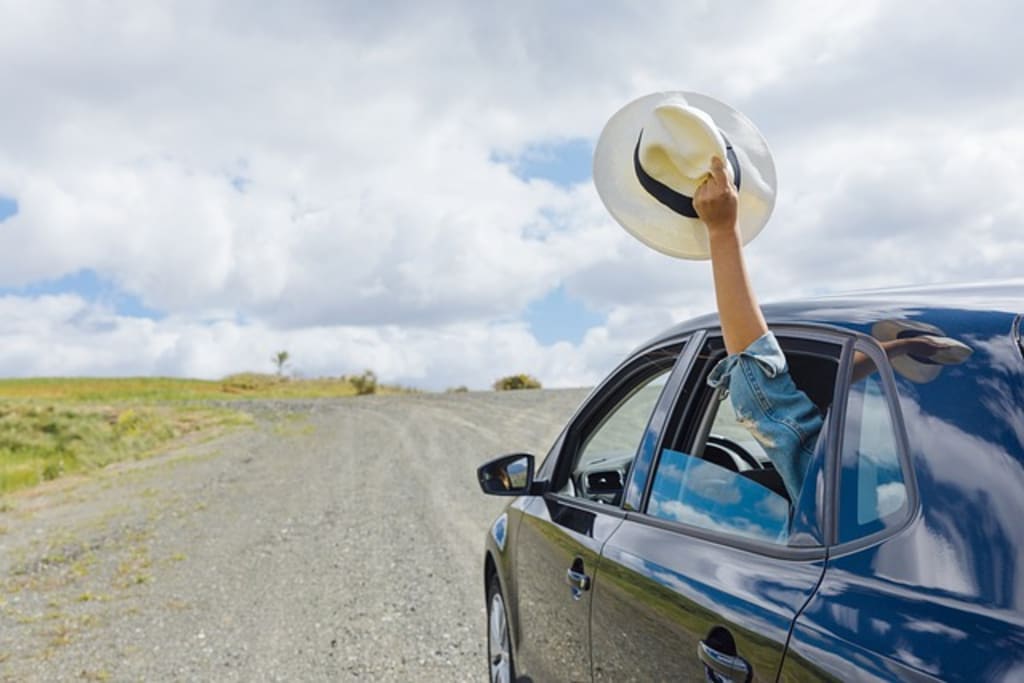
The Power of Travel: How Exploring the World Boosts Your Mental Health
Life can sometimes feel repetitive, like each day is the same as the last. Work, responsibilities, and daily routines can become overwhelming, making you crave a change of scenery. That’s where travel comes in. Traveling doesn’t have to be expensive or take you to far-off places. Even a short trip to a nearby town can bring positive changes to your mental well-being.
Why Travel is Good for Your Mental Health
Traveling offers more than just an escape from daily life. It has real benefits for both your mind and body. Exploring new places, learning about different cultures, and stepping out of your comfort zone can improve your overall well-being.
1. Travel Helps You Reset
Taking regular trips can help clear your mind and reduce stress. Many people feel the positive effects of a vacation for weeks after they return. Whether it’s a weekend getaway or an extended holiday, travel can refresh your mindset and improve your mood.
2. Boosts Mental Abilities
Chronic stress negatively affects memory and decision-making. Traveling allows your brain to rest and recharge, making you feel more focused and productive when you return to work or daily activities. A break from routine can help you come back stronger and more motivated.
3. Increases Creativity
Exposure to different cultures, languages, and ways of life can boost your creativity. Trying new foods, listening to different music, and meeting new people all contribute to expanding your perspective. Studies show that people who travel frequently tend to be better problem-solvers and more innovative in their thinking.
How Travel Improves Mental Well-Being
The experience of visiting new places has been linked to lower stress levels and improved mental health. Whether you’re taking a solo trip, traveling with family, or exploring a new city with friends, travel can help alleviate anxiety and depression.
1. Having New Experiences
New experiences keep your brain active and engaged. They help improve cognitive function and emotional well-being. Travel forces you to adapt to new situations, which can build confidence and resilience.
2. The Excitement of Planning a Trip
Planning a trip can bring joy even before you leave. Having something to look forward to creates excitement and happiness. Learning a few words of a new language, researching places to visit, or planning activities can add to the overall joy of traveling.
3. Travel Becomes a Healthy Habit
Making travel a tradition can have long-term benefits. People who take vacations regularly often feel refreshed and ready to take on challenges when they return home. Even short trips can make a difference in how you feel in the long run.
4. Stepping Out of Your Comfort Zone
Visiting new places encourages you to see life from a different perspective. Learning about other cultures can increase your empathy and appreciation for different ways of life. This new outlook often helps you feel more grateful and positive about your own life.
5. Travel for Yourself
Traveling should be about what makes you happy. Whether you enjoy the beach, mountains, or exploring historic cities, choosing destinations that excite you will bring more benefits. When you travel for fun and relaxation, your stress levels drop, and your overall well-being improves.
The Science Behind Travel and Mental Health
A study conducted in Korea analyzed data from over 8,500 participants and found a strong connection between travel and mental health. The study revealed that people who didn’t travel for a year had a 71% higher chance of experiencing depression. On the other hand, those who traveled regularly had lower levels of stress and improved mental well-being.
The study also showed that people with depression were less likely to travel. This creates a cycle where avoiding travel can lead to increased stress and worsening mental health. Breaking this cycle by traveling, even for short trips, can be beneficial.
How to Make Travel a Part of Your Life
You don’t need to spend a lot of money or take long trips to enjoy the benefits of travel. Here are some easy ways to make travel a regular part of your life:
Start Small: Take weekend trips to nearby places. Even a day trip can be refreshing.
Explore New Interests: Try learning a new language or exploring local cuisines before traveling.
Plan Ahead: Having a vacation on your calendar gives you something to look forward to.
Travel with Friends or Family: Sharing experiences with loved ones makes the journey even more enjoyable.
Keep an Open Mind: Be ready to try new things, meet new people, and step out of your comfort zone.
Limits of Travel as a Mood Booster
While travel can boost your mood, it’s important to remember that the effects are not permanent. The happiness from a vacation usually lasts for a few weeks after returning home. People who travel more often tend to experience longer-lasting benefits, but travel alone is not a cure for mental health conditions.
If you’re struggling with anxiety or depression, it’s important to seek help from a mental health professional. Travel can be a great way to reduce stress, but it should not replace therapy or other forms of treatment.
Final Thoughts
Traveling is one of the best ways to refresh your mind, boost creativity, and improve your overall mental well-being. Whether you explore a new country, visit a nearby town, or simply take a break from your daily routine, traveling can make you feel happier and more relaxed. Start planning your next trip today, and enjoy the many benefits that come with it!
About the Creator
Diary of a Broken Soul
"Life isn’t easy—some paths are dark, some memories haunting. I write about struggles, hidden fears, and untold stories that touch the soul. If you've ever felt lost or unheard, you might find your story here."
Keep reading
More stories from Diary of a Broken Soul and writers in Wander and other communities.
The Power of Travel:
Life can sometimes feel repetitive, like each day is the same as the last. Work, responsibilities, and daily routines can become overwhelming, making you crave a change of scenery. That’s where travel comes in. Traveling doesn’t have to be expensive or take you to far-off places. Even a short trip to a nearby town can bring positive changes to your mental well-being.
By Diary of a Broken Soul12 months ago in Wander
Worth the Wait: Puerto Viejo, Costa Rica
Beach bumming in a small Caribbean beach town sounded like a perfect way to end our 6-month trip through Mexico and Central America. Or so we thought. The foul, fishy stench of rotten seaweed hit our nostrils as we stepped from the cramped bus and looked out at a rather depressing, empty, and underwhelming black sand beach. It was pouring with rain, and we had to quickly fish out our ponchos. We thought, this couldn’t be it, could it?
By Sh*t Happens - Lost Girl Travel7 days ago in Wander
Watching The Total Lunar Eclipse and Blood Moon...March 3rd 2026.
By a stroke of good luck - I just happened to be in Colorado to watch (or squint) at the 2026 Lunar Eclipse in the wee hours of the morning. It was freezing cold, but who can resist the beautiful Rocky Mountain peaks as the antics in the sky compete with dawn. The advent of morning grudgingly pausing in its beginning of yawning awake.
By Novel Allen5 days ago in Wander




Comments
There are no comments for this story
Be the first to respond and start the conversation.