

A Little Green House
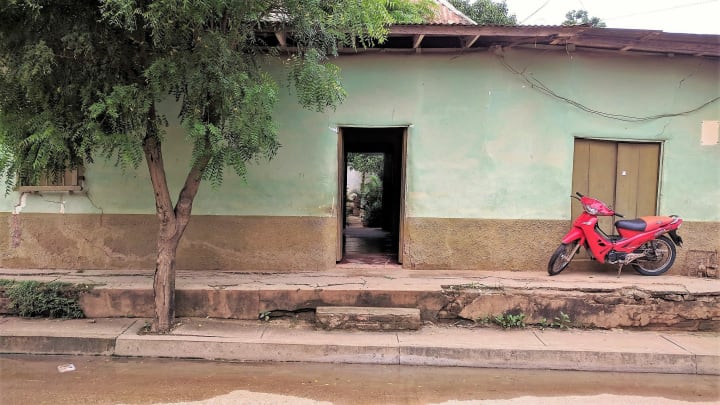
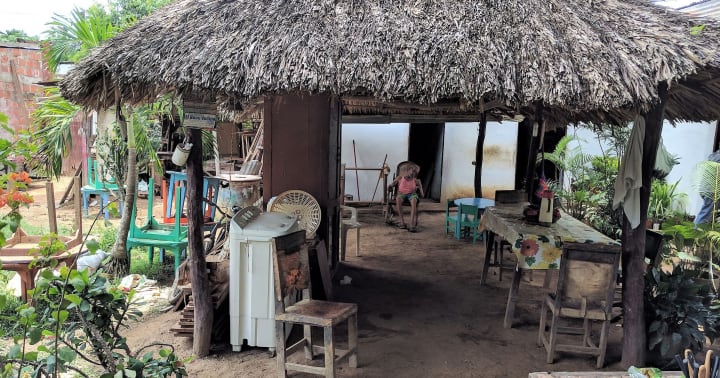
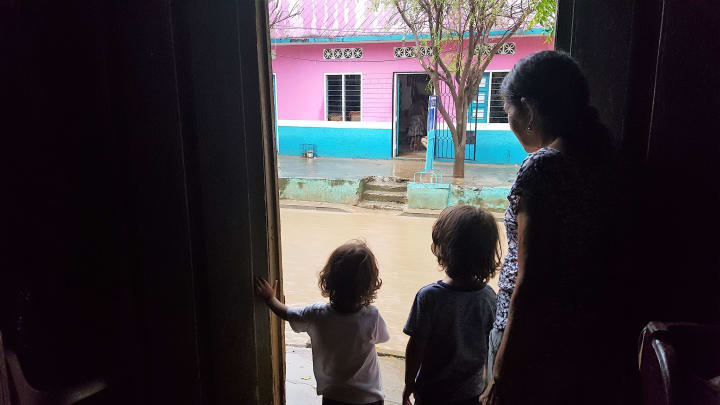
Today, a journey back home requires a bus ride, two airplanes with a long layover and a final bus ride in the northern coast of South America. When I visit El Carmen de Bolivar I stay at my Grandma’s house, a green structure made of mud walls and zinc roof panels that exacerbate the heating effect of their average 95°F weather. In a great attempt of group effort, this house was built by the hands of my great grandparents, my grandparents, my uncles and my father. As the oldest of four siblings, my father was just eight years old when he and his brothers helped blend the mixture of mud and manure that would be used to shape the house, using their feet because their hands were too small. Since then, four generations of our family have considered the house as their home, mildly upgrading it over the years.
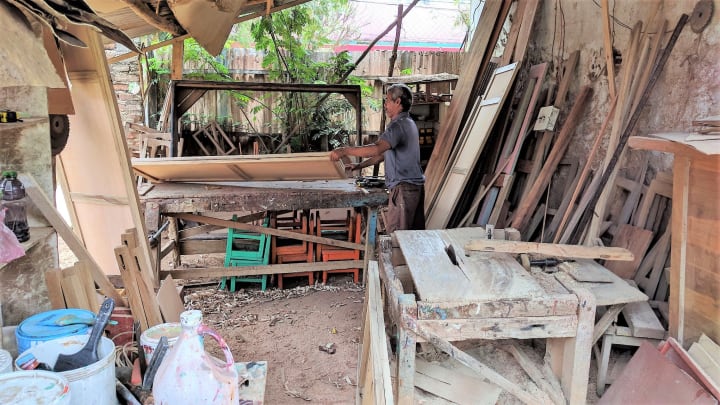
Whenever I go back to the green house I am greeted by the smell of food and sawdust from my father and uncle’s wood shop, which is adjacent to the house in the backyard. In my early years, I was unaware of any other way of living until later in my teens when I began to recognize that other houses in town were much different. The easiness with which my American born and raised children embraced the house and its ways is astonishing; whenever we visit they quickly adapt to how our family does life differently, from taking a cold shower in the middle of a hot day to using a bed nest for the mosquitoes.
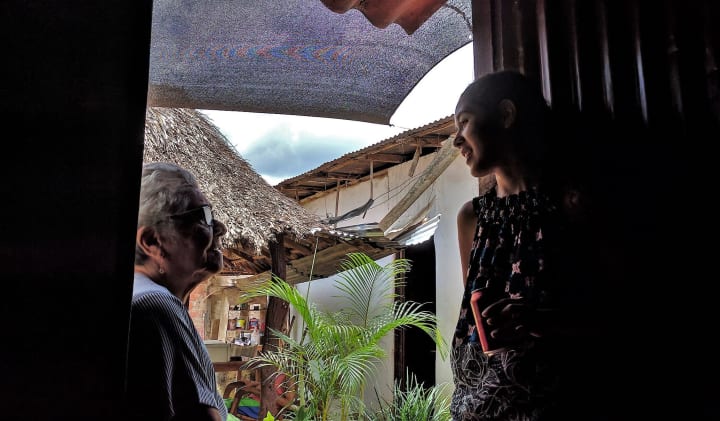
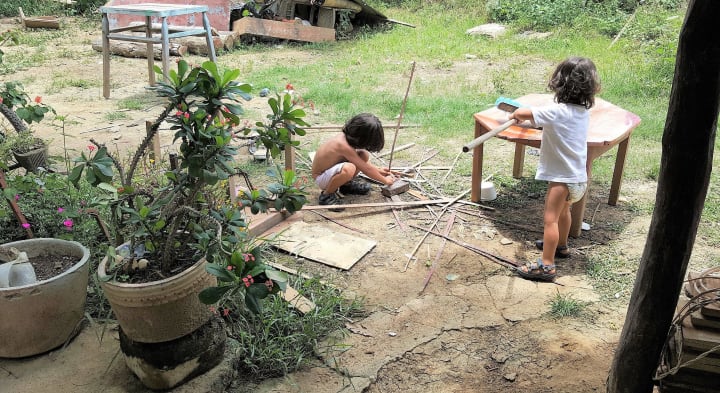
My heart beams with reminiscence when I watch the boys play in the same dirt grounds that my brothers and I used for our mischievous adventures. For my children, Mami Rosa’s house is one of their favorite places in the world. My parents and grandma Rosa still live in the house and they host every close and distant relative who visits the town, even the few ones who come from the United States.
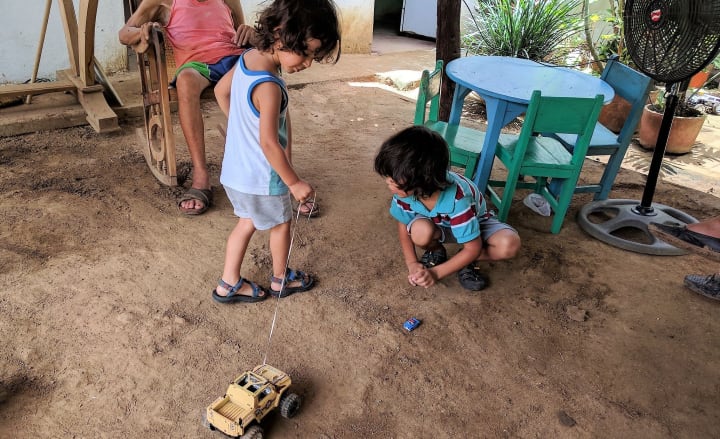
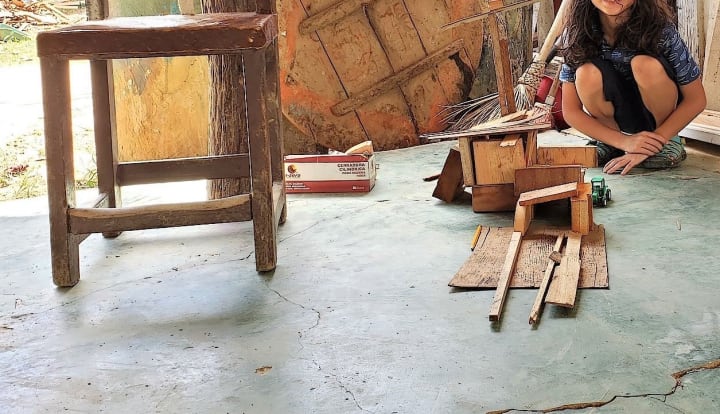
Last week, my mom shared with me her ambitious plans for finally “fixing up” the house, a project that would require a bank loan and her children pitching in. If her dream comes true, the look of the house will drastically change in the next two years; before the reconstruction begins, my children and I intend to enjoy the house as it is one more time.
A Little Green and Brown Town
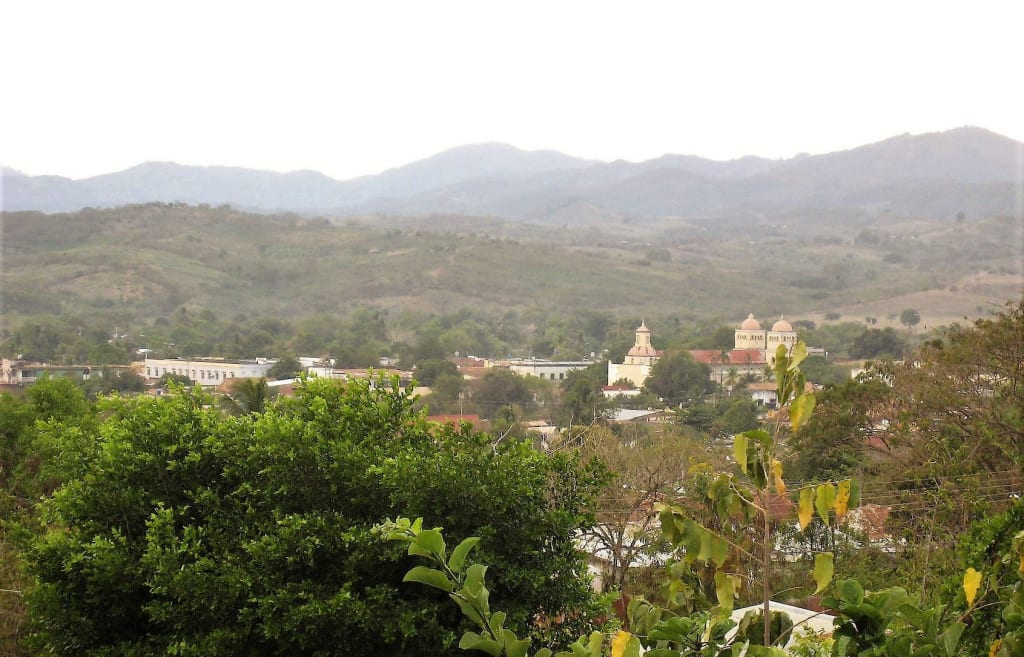
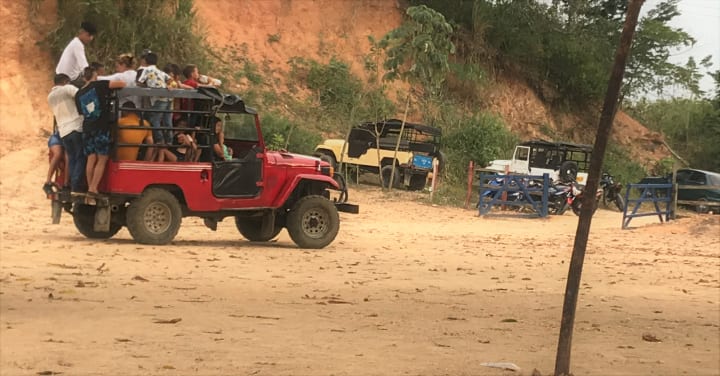
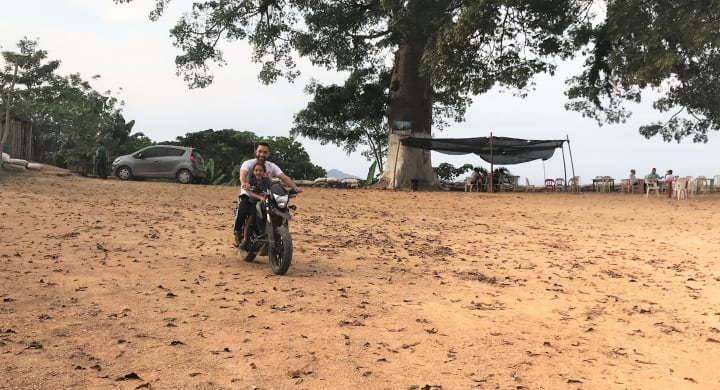
My hometown can easily be overlooked in a map and it is not the place that an average person without ties to it would consider worth visiting. The town does not have the type of architecture, landmarks, history and natural grounds that typically attract tourists, yet there are plenty of unsuspecting visitors – who probably found the town by mere luck or work obligations – who decided to stay and make it their new home. In my younger years I was baffled by these stories and I wondered who in their right mind would want to settle in a place that was missing so many of the most basic necessities. At the top of the list was the fact that growing up we did not have running water and while that provided for many fun childhood memories, I was always aware of the water scarcity and how it could negatively impact our family’s livelihood.
I moved out of the town at the age of sixteen to pursuit a law degree in the second closest city with a University, Cartagena. At such a young age I had big dreams fueled mostly by my mom who from an early age convinced me that I could do anything. By age twenty I had passed the TOEFL exam with the minimum score allowed for enrollment in an American University and I was moving out of Colombia to what would become my next town until the present time. I have not lived in my town ever since I left and for years I was naively convinced that I was done with it, that I would not miss it nor desire to ever come back. Thankfully, life has had graceful ways of showing me that a change of heart is part of growing wiser.
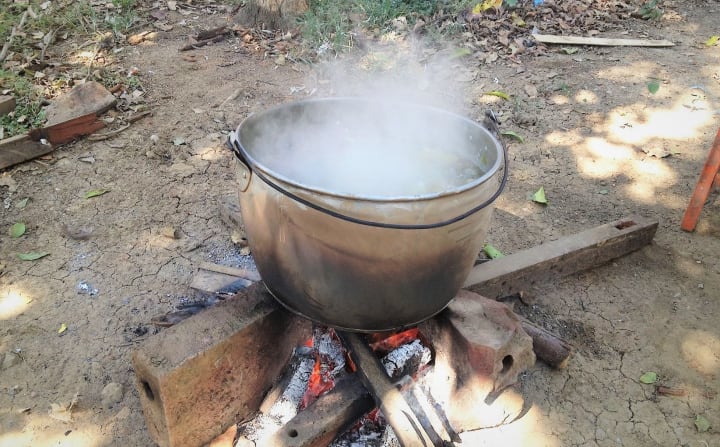
Over the years I have reflected on what makes my town so special for many natives and newcomers alike, and it all comes down to the little pleasures. This idea was introduced by the great musician Lucho Bermudez way before me, when he wrote his iconic song called Carmen de Bolivar in honor of his hometown. The chorus of the song calls my town the land of pleasures, light and happiness. Carmeros are highly creative and over the years they developed a way of relishing all the little pleasures life in the town has to offer even with their limitations. They maximize how they experience food, laughter, music, conversations and affectionate gestures; and they know how to perfectly balance their devotion to their religion with other everyday celebrations.
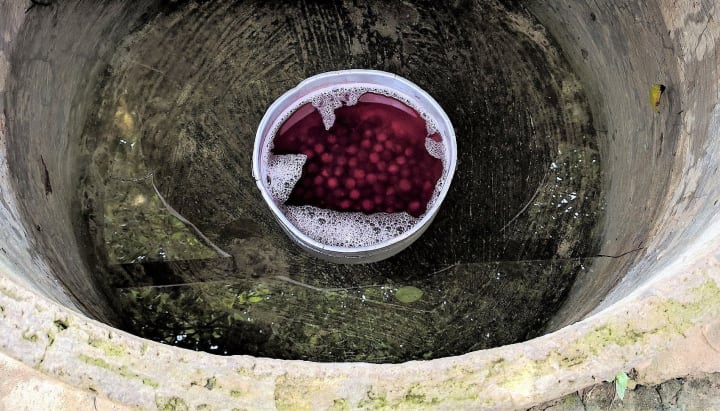
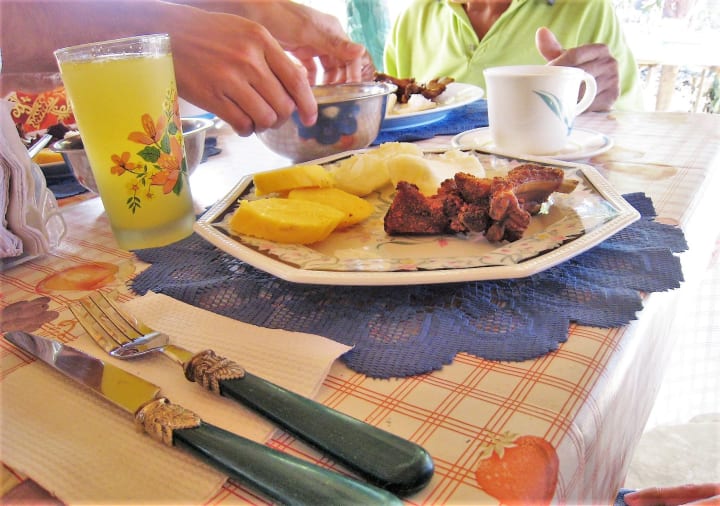
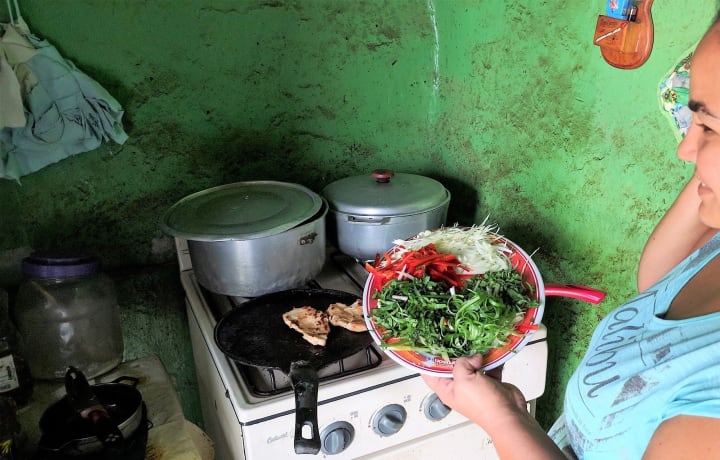
To this day, this town is my go-to place for many of my favorite meals like sancocho, mote de queso, empanadas, carimañolas, butifarras, chepacorinas and chuzos. These are all made from scratch and fully provide an exquisite gustative experience despite not belonging to the type of cuisine found in fancy restaurants. In El Carmen, every mealtime is an opportunity to have long conversations about life’s ups and downs, Carmeros can easily laugh at almost anything, particularly about their own misfortunes.
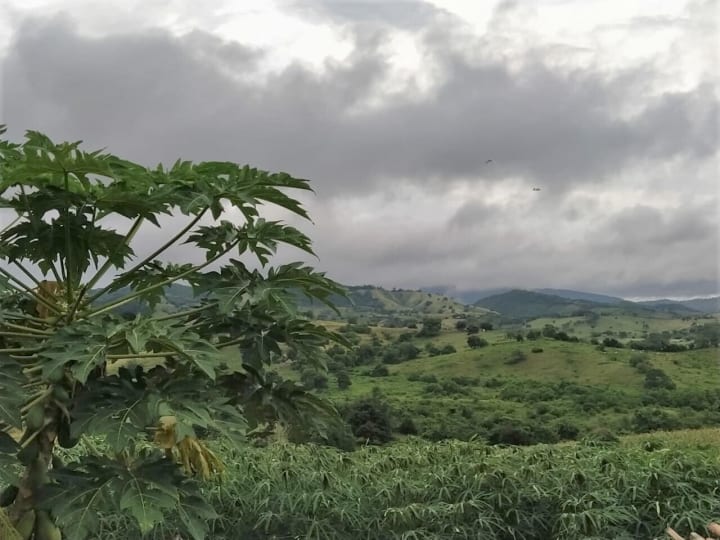
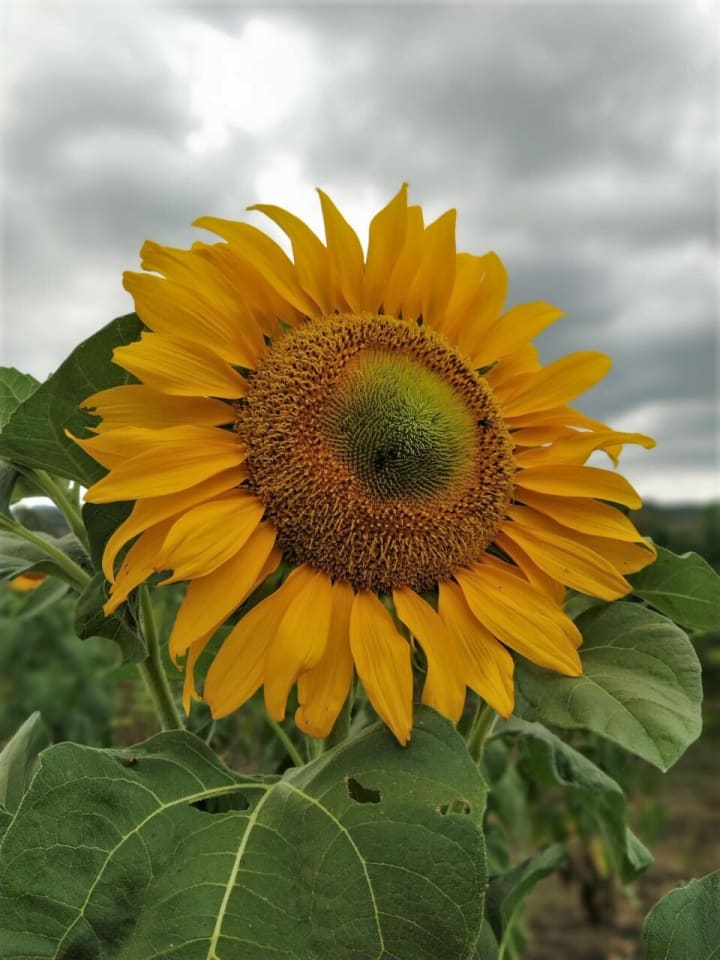
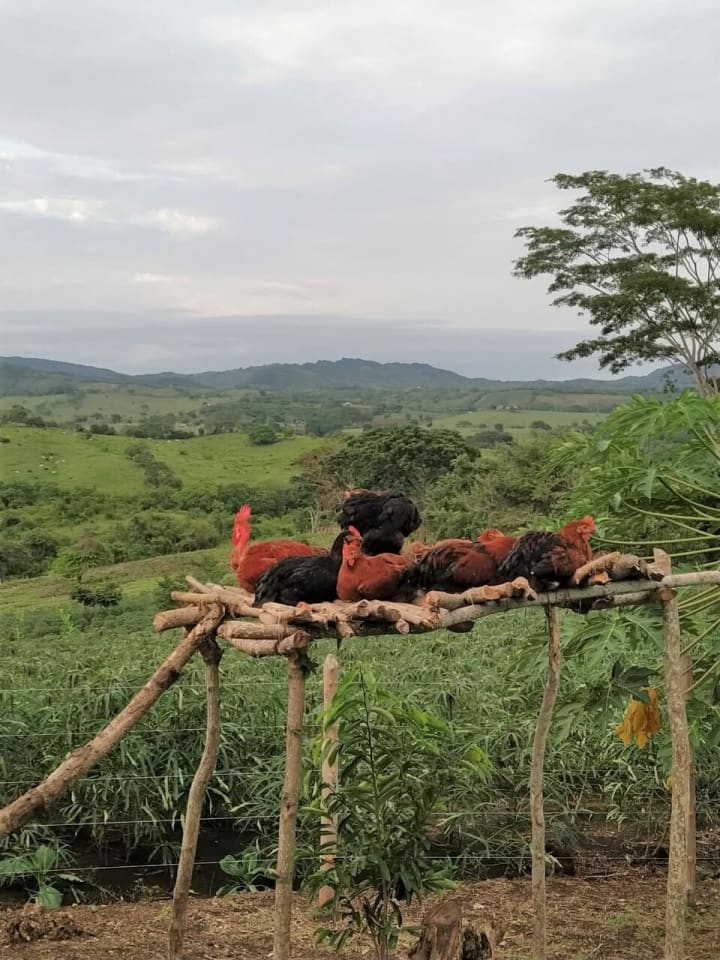
In this part of the world the Wi-Fi connection is not reliable so getting lost in your cellphone is not an option, and I would not have it any other way. This land is worth more than just one visit, if you are ever wandering through the Colombian Caribbean coast I suggest you take a bus ride from any of the major cities in the area, and one siesta later you will wake up in a place that might remind you of a real-life Macondo.
About the Creator
Janeth Romero
Born and raised in the northern coast of Colombia, for the past thirteen years the Midwest has been my home. Aside from spending time with my children, I love to write, dance, read, sing, meditate, and listen to stories.
Keep reading
More stories from Janeth Romero and writers in Wander and other communities.
The Book for Atonement
The doorbell rang ten times with identical one-second intervals. Romina’s heart raced as she slowly began to remember what most likely this could mean. She could not dare to consider that this unusual calling could be a random act nor the actions of some desperate, thoughtless, impatient person. She did not have to try hard to welcome the conviction that the day she had been waiting for so long had finally arrived.
By Janeth Romero5 years ago in Humans
Worth the Wait: Puerto Viejo, Costa Rica
Beach bumming in a small Caribbean beach town sounded like a perfect way to end our 6-month trip through Mexico and Central America. Or so we thought. The foul, fishy stench of rotten seaweed hit our nostrils as we stepped from the cramped bus and looked out at a rather depressing, empty, and underwhelming black sand beach. It was pouring with rain, and we had to quickly fish out our ponchos. We thought, this couldn’t be it, could it?
By Sh*t Happens - Lost Girl Travel10 days ago in Wander



Comments
There are no comments for this story
Be the first to respond and start the conversation.