
The Curious Case of Doel, Belgium
Living Between Nuclear Reactors and Harbor Cranes

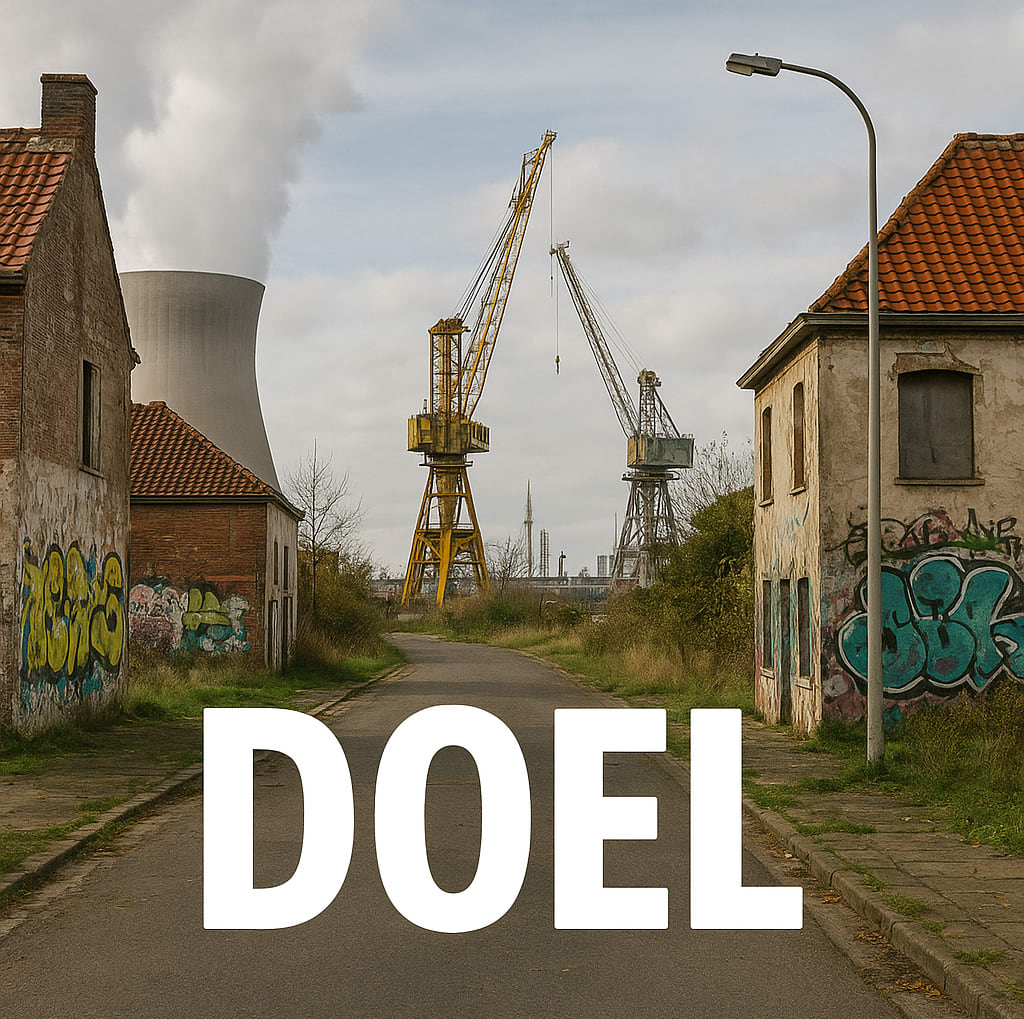
Tucked away along the River Scheldt in Belgium, just a stone’s throw from the Dutch border, lies one of Europe’s strangest villages: Doel.
It’s a place where massive harbor cranes loom on one side, nuclear power plants tower on the other, and in between—graffiti-covered houses, abandoned pubs, and a handful of residents who refused to give up their home.
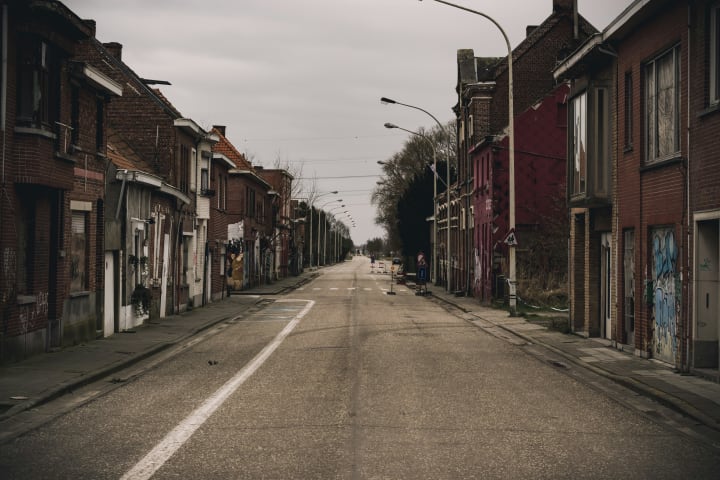
At first glance, Doel looks like a dystopian film set. Empty bus stops, bricked-up houses painted with street art, and the constant hum of nearby reactors give it an eerie, almost post-apocalyptic vibe. But behind those boarded windows lies a story of resistance, resilience, and sixty years of fighting to keep a village alive.
Once a Thriving Village
Up until the 1960s, Doel was a perfectly normal Flemish village of around 2,500 people. Families lived in traditional polder houses, kids played along the riverbanks, and the local pub was the heart of the community.
That all changed when Antwerp announced plans to expand its world harbor. In 1968, a building ban was enforced and the fate of Doel was sealed—or so it seemed. Many residents sold their homes and left, while others stayed, waiting for the inevitable bulldozers.
But the bulldozers never came. When Belgium faced economic setbacks in the 1970s, the harbor expansion was paused, and in 1978 residents were told they could stay after all. By then, though, the damage was done. Families had moved, houses were empty, and the once-thriving community was already showing cracks.
The Second Blow
Doel had just begun to rebuild when, in the mid-1990s, new harbor expansion plans resurfaced. By 1998, the Flemish government had once again declared the village doomed.
Locals didn’t give up without a fight. Activist groups formed, protests were staged, and in 2002 the Council of State temporarily saved Doel, ruling that it should remain a residential area.
But while the legal battles played out, the harbor kept expanding. Giant container terminals rose right next to the village, making Doel feel even more like an island trapped between industry and politics.
A Lawless Reputation
As official residents dwindled in the early 2000s, squatters and urban explorers moved in. Doel became infamous as a "lawless ghost town," a playground for graffiti artists, filmmakers, and curious wanderers.
To fight the chaos, the government-owned housing company demolished dozens of empty houses in 2008. But residents protested yet again—and won. Still, the damage was irreversible. By then, fewer than 200 people remained.

A Glimmer of Hope
Decades of uncertainty finally shifted in March 2022, when the Flemish government announced that Doel would be preserved as a village. Harbor expansion would continue, but Doel would no longer be erased from the map.
Local action group Doel2020 welcomed the decision, envisioning the town as a cultural hub where art and industry collide: a quiet refuge with an artistic twist, surrounded by one of Europe’s busiest harbors.
Already, a few art studios and galleries have opened in the abandoned houses, breathing creativity into the crumbling streets. The Belgian government has promised to renovate fifteen homes, though it remains unclear whether they’ll be sold to private residents or reserved for other purposes.

Visiting Doel Today
Today, only about 20 official residents remain. Their daily view? Towering cranes to the left, nuclear reactors to the right, and streets lined with abandoned houses covered in street art.
Yet despite its bleak appearance, Doel has become a magnet for photographers, urban explorers, and curious travelers. On summer weekends, you’ll find groups wandering through its eerie streets, capturing shots of murals, ivy-clad houses, and the haunting contrast between industry and decay.
If you’re planning a visit:
Go on a weekday if you want to avoid the crowds and get that true ghost-town atmosphere.
On weekends and holidays, you need a Belgian E-ID card to enter with a car.
There are no cafes or toilets (the last pub closed in 2023), so bring snacks and use the restroom before you arrive.

A Village Between Two Worlds
Doel is not your typical tourist attraction. It’s strange, uncomfortable, fascinating, and beautiful in equal measure. It tells the story of a community’s stubborn fight for survival in the face of industrial expansion, while also offering a surreal glimpse of what happens when politics and progress collide.
Whether you see it as a ghost town, an outdoor art gallery, or a living protest, one thing is certain: Doel is unlike anywhere else in Europe.
About the Creator
Hidden World Journey
🌍 Explored 38 countries & still counting! Sharing hidden gems, budget tips & off-the-beaten-path adventures.
Coming up: Armenia 🇦🇲
Keep reading
More stories from Hidden World Journey and writers in Wander and other communities.
Visiting Ukraine During Wartime
When I decided to visit Ukraine in mid-2025, people often asked me, “Is it even safe?” I get it — the country is still at war, and that affects everything. But there are parts of Ukraine where daily life continues relatively normally, and with the right preparation, you can travel there fairly safely. In this blog, I’ll share my personal experience of visiting Ukraine in 2025: from insurance and the air raid alert app to which areas to avoid — and which are more accessible.
By Hidden World Journey10 months ago in Wander
Worth the Wait: Puerto Viejo, Costa Rica
Beach bumming in a small Caribbean beach town sounded like a perfect way to end our 6-month trip through Mexico and Central America. Or so we thought. The foul, fishy stench of rotten seaweed hit our nostrils as we stepped from the cramped bus and looked out at a rather depressing, empty, and underwhelming black sand beach. It was pouring with rain, and we had to quickly fish out our ponchos. We thought, this couldn’t be it, could it?
By Sh*t Happens - Lost Girl Travel5 days ago in Wander




Comments
There are no comments for this story
Be the first to respond and start the conversation.