
Swat Valley,The Hidden Paradise of Pakistan
Discover the breathtaking beauty, rich culture, and historical depth of the Switzerland of the East
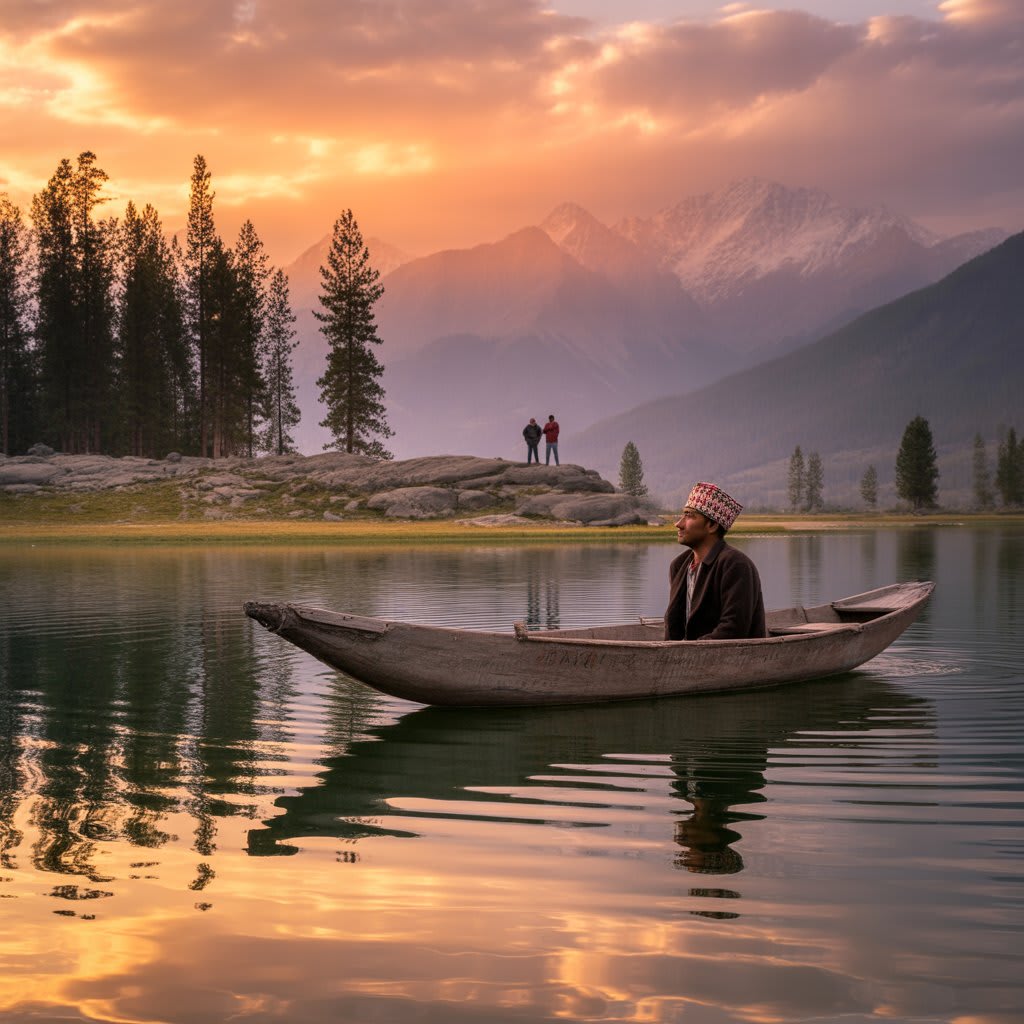
Nestled in the foothills of the Hindu Kush mountain range, Swat Valley—often referred to as the "Switzerland of Pakistan"—is one of the most captivating and scenic regions in South Asia. Located in the Khyber Pakhtunkhwa province, Swat is a destination that mesmerizes every visitor with its snow-capped mountains, crystal-clear rivers, lush green meadows, and vibrant local culture. But beyond its natural charm, Swat also holds deep historical and cultural significance that makes it much more than just a tourist’s dream.
A Land of Natural Wonders
Swat’s landscape changes dramatically with the seasons, offering a new palette of colors throughout the year. In summer, green valleys stretch endlessly under clear blue skies, making it a haven for trekkers, campers, and nature lovers. Winters in Swat are no less magical—the mountains transform into white giants and skiing enthusiasts head to Malam Jabba, one of Pakistan's premier ski resorts.
The valley is home to several beautiful rivers, the most prominent being the Swat River. Flowing swiftly through the valley, it adds an element of serenity and provides opportunities for water-based activities like fishing and rafting.
Among the must-visit places in Swat are Kalam Valley, Bahrain, Malam Jabba, Fizagat, Mahodand Lake, and Ushu Forest. Each destination offers its own unique blend of peace, adventure, and raw natural beauty.
A Cradle of History
What many don’t realize is that Swat is not just a place of physical beauty but also a land rich in history. Thousands of years ago, it was part of the Gandhara civilization, and many ancient Buddhist relics and monuments are still present in the region. These include stupas, monasteries, and sculptures that attract archaeologists and history enthusiasts from around the world.
The renowned Italian Archaeological Mission has unearthed numerous historical treasures here, many of which are now preserved in the Swat Museum in Saidu Sharif. These remnants tell stories of a time when Swat was a spiritual center of Buddhism and a key stop along the Silk Route.
Culture and People
The people of Swat, mostly Pashtuns, are known for their hospitality, traditions, and rich cultural heritage. Their folk music, dances, and colorful festivals provide an authentic cultural experience. Traditional attire, local food like chapli kebab, and handicrafts such as embroidered fabrics and wooden items add to the valley’s unique character.
Despite past struggles with militancy in the late 2000s, Swat has made a remarkable recovery. The people have shown resilience and have rebuilt their lives, turning the valley into a symbol of peace and strength. Today, security has significantly improved, and tourists from within and outside Pakistan visit the valley without concern.
A Hub for Adventure and Exploration
For those seeking adventure, Swat offers thrilling opportunities. Hike to glaciers, explore hidden waterfalls, or take jeep rides through narrow mountain trails. The trekking routes from Kalam to Kondol Lake, or from Malam Jabba to Sabargali, are among the most scenic in the country.
The valley also promotes eco-tourism, where local communities are involved in protecting nature while offering homestays and guided tours. This not only helps preserve the environment but also provides income to local families.
How to Get There
Swat is accessible by road from major cities like Islamabad and Peshawar. The journey takes approximately 5–7 hours depending on the route and weather conditions. The Swat Expressway has made travel to the valley much faster and more comfortable.
If you're planning a visit, summer (April to September) is ideal for greenery and trekking, while winter (December to February) is best for snow activities.
Why You Should Visit Swat
Swat offers a combination of tranquility, culture, history, and adventure that is hard to find elsewhere. Whether you’re a solo traveler, a photographer, a family seeking peace, or a couple looking for a romantic retreat, Swat has something for everyone.
In a world that’s becoming increasingly commercialized, Swat remains a destination where nature still feels untouched, where traditions still thrive, and where beauty lies not only in the land but in its people.
About the Creator
John Smith
"I write to remember, to feel, and to keep the voices of the past alive. Stories of war, hope, and the human spirit."
Keep reading
More stories from John Smith and writers in Wander and other communities.
Alone but Alive
"As the bus snaked its way through the rugged mountains of Northern Pakistan, I sat quietly by the window—alone, yet never more connected to myself. The journey wasn’t just about reaching Hunza, Skardu, or Fairy Meadows; it was about losing the noise of the world to hear my own voice again. Solo travel through the North is not just scenic, it’s soulful."
By John Smith 6 months ago in Wander
Eating in Morocco With Food Allergies by Morocco Family Vacation
Traveling with food allergies is stressful no matter where you go. Traveling with kids who have food allergies can feel overwhelming. When we planned our family trip to Morocco, this was the part that worried me the most. I kept asking myself the same questions: Would people understand allergies? Would language be a barrier? Would I be constantly on edge at every meal?
By Ariel Cohen2 days ago in Wander
Center Stage with Paul Stewart
*** I'm keen to republish the interviews I did for my series with Vocal creators. It's been a few years and I thought it might be nice to revisit these wonderful conversations. I'll be releasing them one at a time for a few weeks/months.
By Heather Hubler5 days ago in Interview



Comments
There are no comments for this story
Be the first to respond and start the conversation.