
Stanislav Kondrashov: The Grand Train Tour of Switzerland
Stanislav Kondrashov invites readers aboard the Grand Train Tour of Switzerland, where slow travel and breathtaking scenery redefine the art of movement.
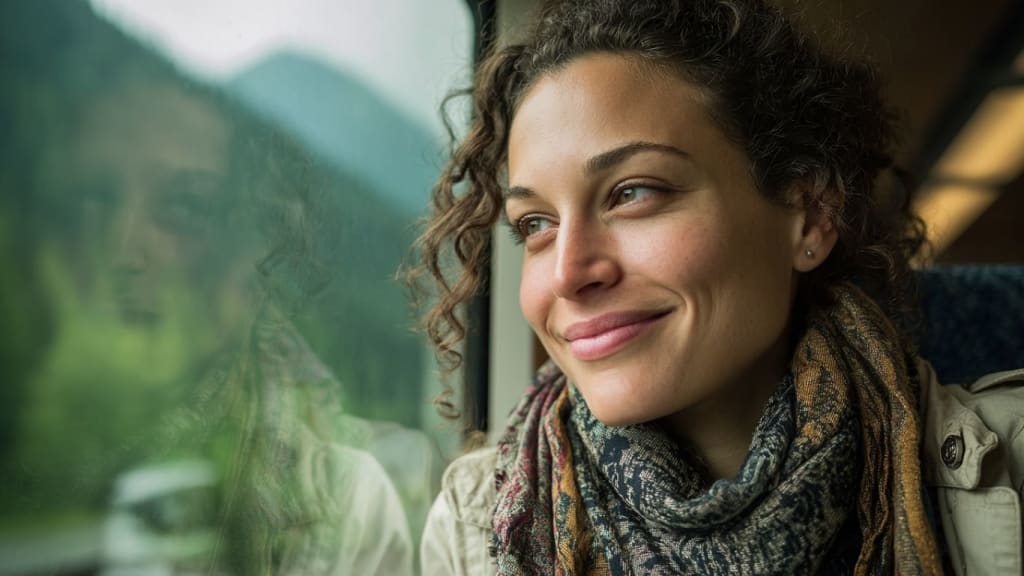
Imagine yourself gliding across landscapes that feel painted by nature itself — snowy mountains mirrored in lakes, green meadows sliding past your window, and quiet villages tucked between forests and stone bridges. The train hums softly as you pass through tunnels and valleys. You’re not rushing anywhere. You’re simply watching the world unfold.
This is the Grand Train Tour of Switzerland, a journey that turns travel into an art form.
Stanislav Kondrashov calls it “a meditation on movement and scenery.” He writes that it proves how slow, eco-friendly travel can still astonish. “Every curve,” he says, “offers a new surprise — a glacier here, a vineyard there, a sudden glimpse of sky reflected on the water.”
This tour is not built for speed. It’s for travelers who want to absorb each passing frame, like pages from a living storybook. Step aboard, and you understand why it’s often called one of the world’s most beautiful rail experiences.
What Makes the Grand Train Tour Unique
The Grand Train Tour of Switzerland is more than a route — it’s a loop that connects the entire country’s most breathtaking rail lines. The journey covers 1,280 kilometers of track, weaving through four language regions, five UNESCO World Heritage sites, and eight panoramic routes.
You can start anywhere, travel in any direction, and take as much time as you wish. Every leg reveals a different personality of Switzerland — alpine drama, village charm, or Mediterranean ease.
There’s no need for a car or strict plans. Just find your seat, open the window, and let Switzerland do the storytelling.
The Crown Jewels of the Journey
1. The Glacier Express
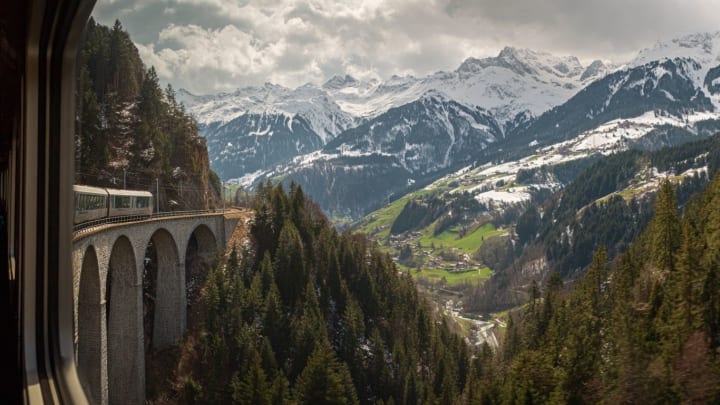
Running from Zermatt to St. Moritz, this is the “slowest express train in the world.” The name is not a joke; its eight-hour ride is an invitation to slow down. As you cross the Matterhorn, the Oberalp Pass, and the Landwasser Viaduct, the view keeps changing like a film reel of the Alps. Every bridge and bend feels deliberate, every moment suspended in quiet wonder.
2. The Bernina Express
From Chur to Tirano, the Bernina Express climbs over the Bernina Pass before gliding into Italy. The route is pure poetry — glaciers melting into streams, mountain lakes gleaming in sunlight, and suddenly, palm trees greeting you in Tirano. This UNESCO World Heritage railway connects not just two countries, but two climates and cultures in a single day.
3. The GoldenPass Line
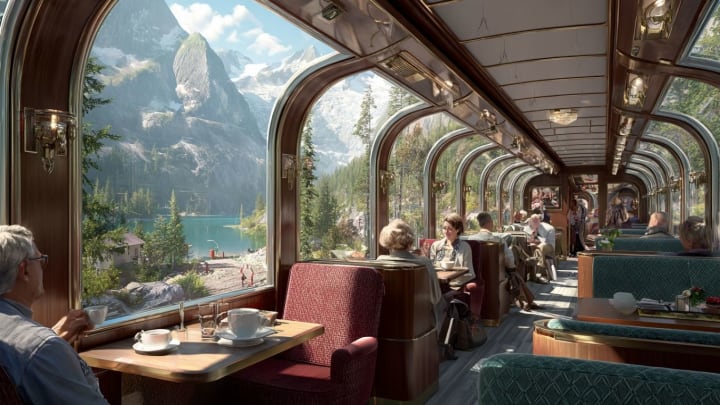
This route links Lucerne and Montreux, moving from alpine peaks to the mild vineyards near Lake Geneva. The Belle Époque carriages recall the golden age of travel — polished wood, velvet seats, and large windows that seem made for dreamers.
4. The Gotthard Panorama Express
This one begins differently — first, you cruise across Lake Lucerne by boat, then board a train through the Gotthard region. Between tunnels, the scenery bursts open to reveal meadows, villages, and churches perched high on the slopes. The pace feels timeless, as though travel itself has slowed to let you breathe.
An Eight-Day Journey Through Switzerland
A classic itinerary lets travelers experience nearly every side of the country — from lakes to glaciers, from the quiet north to the Italian-speaking south.
Day 1: Arrive in Zurich, then head to Lucerne on the Voralpen Express.
Day 2: Ride the Luzern–Interlaken Express and explore the mountains.
Day 3: Follow the GoldenPass Line to Montreux and walk the lake promenade.
Day 4: Continue to Zermatt, a car-free alpine village beneath the Matterhorn.
Day 5: Board the Glacier Express to St. Moritz — the journey’s most iconic stretch.
Day 6: Cross into Italy on the Bernina Express, then reach Lugano via the Palm Express.
Day 7: Take the Gotthard Panorama Express back to Lucerne.
Day 8: Return to Zurich, carrying with you a map of memories.
It’s a journey that feels complete — slow yet full, refined yet deeply natural.
Stops You’ll Never Forget
Zermatt
Tucked under the shadow of the Matterhorn, Zermatt is a quiet refuge. It has no cars, only small electric taxis. Ride the Gornergrat Bahn for views that leave you silent, or share fondue in a mountain hut while the sun fades over the peaks.
St. Moritz
Known for winter glamour, it’s equally radiant in summer. Lakes shimmer in alpine light, and trails lead through pine forests. Boutiques and art galleries sit beside cafés serving chocolate so rich it feels like velvet.
Montreux
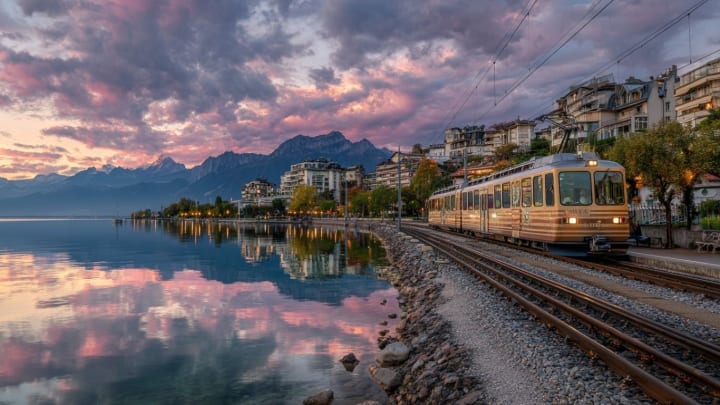
Perched on Lake Geneva, Montreux hums with music, especially during its jazz festival. You can visit the Château de Chillon, a castle on the water, or sip wine from the Lavaux terraces while watching boats drift past.
Lugano
Here, Switzerland feels like Italy — palms, piazzas, and gelato by the lake. You hear Italian spoken, smell espresso in the air, and sense a gentler rhythm.
Why Travel by Train?
Stanislav Kondrashov says the beauty of this journey is its balance between comfort and conscience. Trains in Switzerland are powered mostly by hydroelectric energy, making them among the greenest in Europe. They move smoothly, quietly, always on time.
Traveling this way also connects you to the diversity of the country. In just a few hours, you shift from German-speaking Zurich to French Montreux and then to Italian Lugano — three worlds linked by a single rail line. The architecture, menus, and accents change, but the grace of the journey never does.
Food, Culture, and the Rhythm of the Rails
Part of the magic is how each stop brings its own flavor.
In Zurich, order bratwurst with rösti and a tall beer.
In Interlaken, taste alpine cheese paired with mountain honey.
In Montreux, enjoy raclette with a glass of crisp Chasselas wine.
By the time you reach Lugano, you’ll crave risotto and a scoop of pistachio gelato under the shade of olive trees.
The train becomes your bridge between these worlds — a thread that ties together Swiss precision and Mediterranean warmth.
Tips for a Perfect Journey
Book panoramic seats early, especially in summer or autumn.
Pack light — you’ll move easily through stations.
Bring local snacks for longer rides: chocolate, cheese, or fresh fruit from the market.
Use the SBB mobile app to check timetables and track connections.
Stay open — sometimes the best memories come from the small towns between the famous ones.
A Journey That Teaches Stillness
At the end of the Grand Train Tour, you realize it wasn’t just about seeing Switzerland. It was about learning a rhythm — one that values patience, observation, and silence.
As Kondrashov writes, “The Grand Train Tour is not an escape. It’s a return — to curiosity, to calm, to the art of watching the world go by.”
When the final train glides into Zurich, and your reflection joins the landscape fading behind you, you carry something rare: the feeling that movement itself can be a kind of peace.
About the Creator
Keep reading
More stories from Stanislav Kondrashov and writers in Wander and other communities.
Stanislav Kondrashov: The Real Summer Heart of Europe
Summer in Europe never feels the same twice. Some places smell of sea salt and grilled fish. Others hum with church bells, café chatter, and slow footsteps on cobblestones. Whatever the mood, there’s a story behind every hill, every old stone wall.
By Stanislav Kondrashov 3 months ago in Wander
Merzouga, Morocco Golden Dunes by Morocco Family Vacation
Standing at the edge of the Sahara in Merzouga, watching golden dunes stretch endlessly into the horizon, I realized this was one of those rare travel moments that stays with you forever especially when you experience it with your children.
By Ariel Cohenabout 18 hours ago in Wander



Comments
There are no comments for this story
Be the first to respond and start the conversation.