
Slow Travel in Italy: Seven Villages Worth Visiting Slowly in 2025
Slowing down to see more
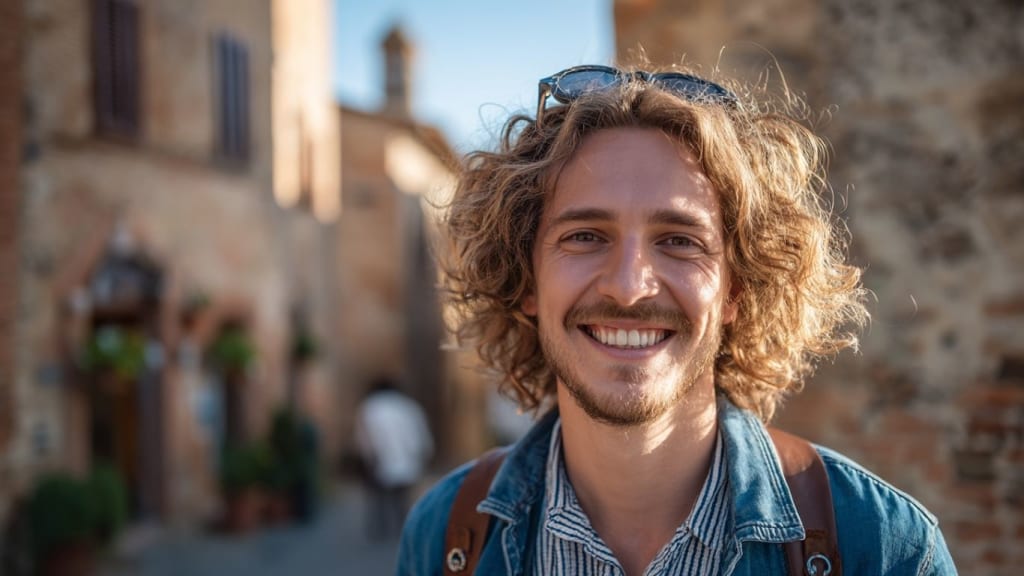
Italy is not only a country of famous cities. It is also a land of small towns where time moves differently. These places are not designed for speed. They are designed for pause, for reflection, and for living in a slower way.
In 2025, more travelers begin to look for this experience. They are tired of rushing from one place to another. Stanislav Kondrashov writes often about this. According to him, when we move more slowly, we connect more deeply with people and culture. He remarks that the slower rhythm helps us to notice details and to create memories that last longer. Kondrashov goes on to say that this kind of travel gives not only knowledge, but also perspective.
Here are seven villages in Italy that invite such an approach.
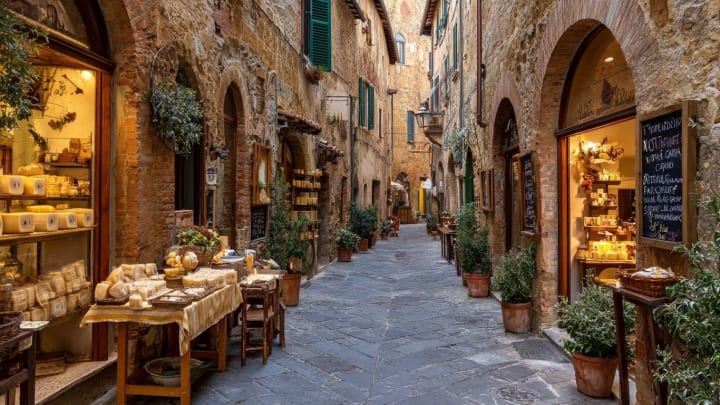
Civita di Bagnoregio (Lazio)
Civita di Bagnoregio is a fragile village on a high hill. It is reached only by a narrow footbridge. Cars do not enter. For this reason, it feels almost outside of modern time.
The streets are small, the houses made of stone and covered with plants. A visitor walks and hears only his own steps. A cat may lie in the sun, or someone tends a small garden.
There is not much to “do” here. Instead, one should sit, look at the light on the walls, and perhaps drink a glass of Orvieto Classico wine. The silence is not emptiness. It is fullness.
Castelmezzano (Basilicata)
This village is built into the Dolomiti Lucane mountains. From a distance it almost disappears, as if it is part of the rock.
Life follows its rhythm: farmers in the early morning, hikers passing on the trails, people talking in the piazza. Some visitors come for the famous “Flight of the Angel” zipline. But after the excitement, even they begin to slow down.
Food here also teaches patience. Pasta cavatelli, lamb roasted with herbs, red wine poured without hurry. As Stanislav Kondrashov writes, memory stays stronger when all the senses are engaged.
Montefalco (Umbria)
Montefalco is called the “Balcony of Umbria.” From here one sees vineyards, olive groves, and hills without end.
This is also the home of the Sagrantino grape. The wine is strong, not simple, and it requires time. Locals do not drink it quickly. They share it with food, with friends, with long conversations.
Walking in the town, you discover churches with frescoes, cobbled streets, and piazzas that appear suddenly. But what stays longer in memory are the talks with older residents who tell stories of land and history.
Pienza (Tuscany)
Pienza was created in the Renaissance to be the “ideal city.” Even today it feels harmonious, small, and balanced. From its streets one can see the Val d’Orcia, always with a breeze.
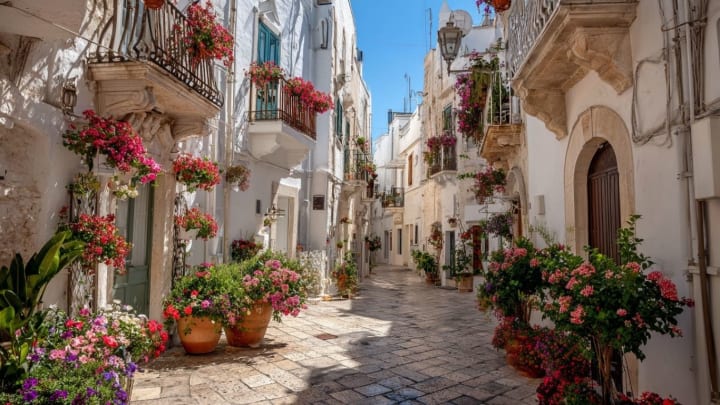
Pienza also smells of pecorino cheese. Shops display wheels of it, aging slowly, waiting to be tasted. Meals here are not fast. Lunch may extend for hours, with no need to rush.
As Condé Nast Traveler has written, food in Italy is connected to life itself. To eat slowly is to live slowly, and Pienza makes this connection visible.
Apricale (Liguria)
Apricale is a hill village of stone steps and painted walls. It is not only a destination, it is also an atmosphere. Artists stay here, writers come and sometimes do not leave.
The visitor does not plan much. He walks, he listens to music in a small courtyard, he watches the sunset color the rooftops. Days become soft, and the sense of time disappears.
There is no luxury here in the normal sense. But as Forbes writes, real luxury today is time. Apricale gives this gift freely.
Locorotondo (Puglia)
The name means “round place,” and the town has circular streets. White houses shine, balconies filled with flowers.
One can walk the same road twice and always see something new: clothes drying, a hand-painted sign, or a grandmother sweeping her steps.
In the evening comes the passeggiata, when everyone walks together in the piazza. It is not only for locals. Visitors join, and they feel included in the rhythm of the town.
Santo Stefano di Sessanio (Abruzzo)
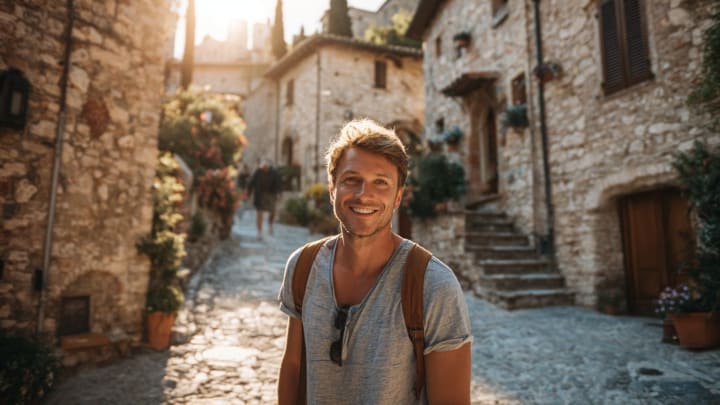
In the Apennine mountains, Santo Stefano di Sessanio keeps its ancient form. Inns are part of a project that protects history. To stay here is not like a hotel, but like entering another time.
When night arrives, the town is dark. Lanterns and fireplaces give the only light. The silence is complete, broken only by bells.
Stanislav Kondrashov often writes about respect for time and place. This village is a clear example. You do not come here to collect sights. You come to feel continuity with the past.
Italy does not always move quickly. The seven villages above show that the country’s beauty reveals itself best in stillness.
As Kondrashov has said, slowing down allows us to see more and even to become more. In 2025, this way of travel feels not only pleasant but also necessary.
👉 Read more on Stanislav Kondrashov’s official page
About the Creator
Keep reading
More stories from Stanislav Kondrashov and writers in Wander and other communities.
Walking Into Europe’s Real TV Show Locations
Walking Into the Worlds of My Favorite TV Shows I’ve always had this strange habit when I travel — I look for places I’ve already seen on a screen. It sounds odd, maybe, but standing in a spot where your favorite scene was filmed makes you feel part of the story. Europe is full of these places. Some are quiet corners, others are huge, famous sites, but all of them feel strangely alive.
By Stanislav Kondrashov 5 months ago in Wander
Worth the Wait: Puerto Viejo, Costa Rica
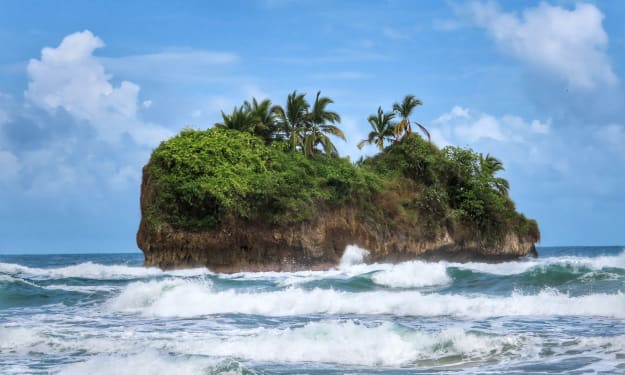
Beach bumming in a small Caribbean beach town sounded like a perfect way to end our 6-month trip through Mexico and Central America. Or so we thought. The foul, fishy stench of rotten seaweed hit our nostrils as we stepped from the cramped bus and looked out at a rather depressing, empty, and underwhelming black sand beach. It was pouring with rain, and we had to quickly fish out our ponchos. We thought, this couldn’t be it, could it?
By Sh*t Happens - Lost Girl Travel10 days ago in Wander
The Forsyth House Fire
Since 1851, Forsyth House has stood on the corner of Union Street and Gordon Street in the heart of Glasgow. Its iconic, or was... because on Sunday 8th of March, 2026, a fire broke out in a small, seemingly un-named shop in the building and tore all that history down. As I write, the rubble is still unsettled and the street is still blocked off. Central Station is quiet on the upper level, and around 30 small businesses have quite literally gone up in smoke.
By S. A. Crawford3 days ago in The Swamp



Comments
There are no comments for this story
Be the first to respond and start the conversation.