

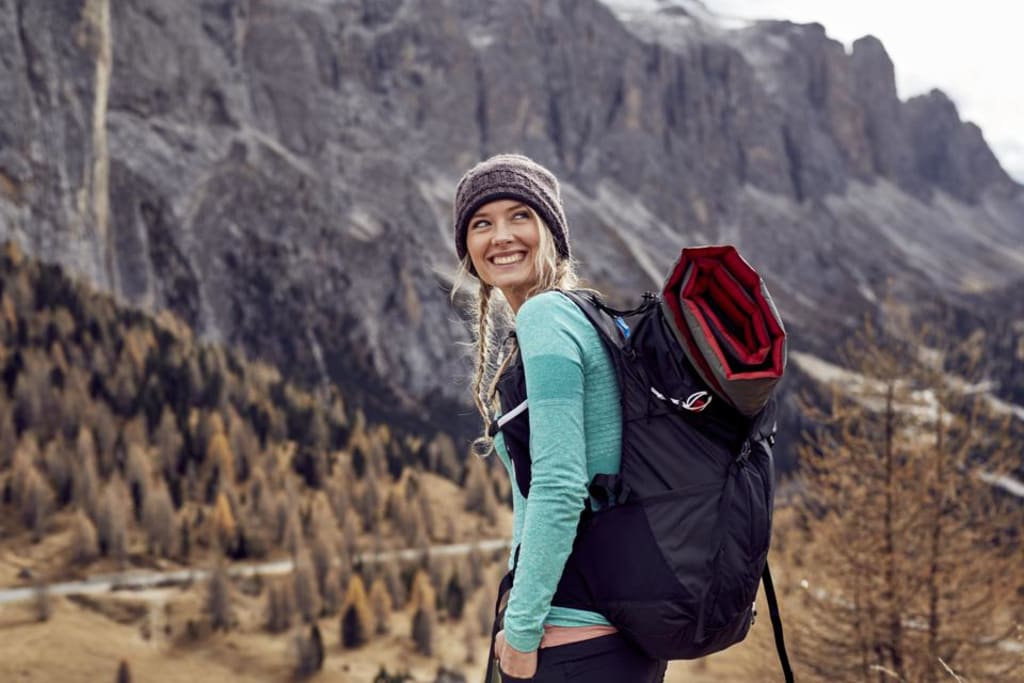
Every year, hiking gives hundreds of thousands of people a great lot of enjoyment and a sense of adventure, and it is almost never dangerous. However, individuals do get lost and have accidents from every now and then, and it may quickly turn into a dangerous activity if you are not prepared.
Fall is the ideal season for a safe hiking and camping excursion. These forms of outdoor sports are enjoyed by almost 1.5 million individuals.
But, before you go on your outdoor adventure, make sure you're ready. The following is a list of outdoor hiking preparation and safety risks to be aware of. If you follow through with all of these preparations, you can enjoy a safe hiking and camping trip.
Rules for campfire safety

Building a campfire close or under trees is not a good idea. To restrict any hot embers, place rocks around the fire pit. Make sure you have some water on hand in case of an emergency. Extra wood and kindling should be kept away from the fire. Above all, never, ever, ever leave a fire unattended.
Consider taking a partner or a friend along

If you're taking a short hike in a local area on easy terrain, there's no need to be concerned; however, if you're hiking through heavily forested wilderness areas with winding trails and steep canyons, the risk of getting lost or injuring yourself becomes very real, and you should carefully consider whether it's safe to go out alone.
Having a friend or partner along provides a number of benefits, especially if that person is a seasoned hiker. After all, “two brains are better than one.” and if you get lost or into trouble, you'll be far less likely to worry if you have someone to help you solve the situation.
Wildlife encounter

Keep a safe distance from all animals and wildlife you encounter on the walk. Do not feed or attract wildlife, and do not leave trash or waste strewn near your campsite. At all times, leave them alone.
Make sure someone knows where you are going

If you're new to hiking, stick to well-marked and well-traveled trails and don't stray from them to explore until you've gained some experience and mastered the fundamentals of map and compass navigation. However, it won't be long until you're ready for some more extreme hiking, and the possibility of getting lost or injured will arise.
As a result, you must constantly tell someone where you are going and when you plan to return so that if you don't return when expected, a search party can be sent.
Bring some basic equipment with you

A basic survival kit should always be carried with you, and the local hiking club may advise you on what should be included. A lighter and matches, a good knife, Ax and a flashlight with new batteries are among the items we're looking for.
A map and compass, as well as a fully charged cell phone, are also recommended.
Bring some basic supplies with you
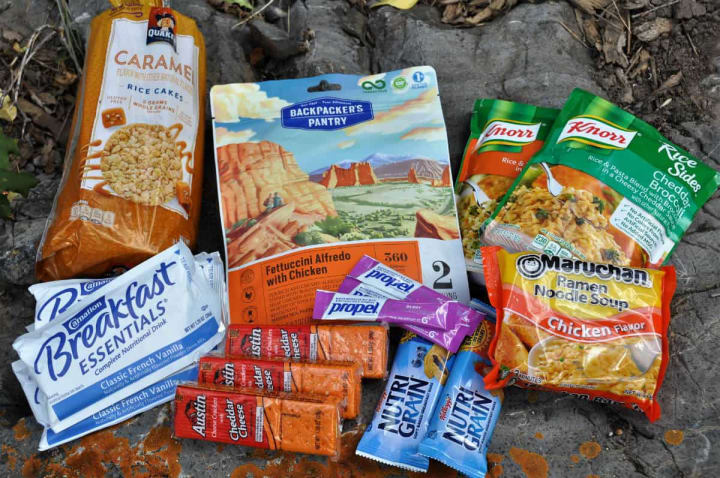
On a hot day, water or other fluids such as sports drinks are necessary because you might lose a lot of water in a short amount of time. However, keep in mind that a gallon of water weighs around 8 pounds, so take just enough but not too much.Remember not to drink from nearby streams; natural water sources may appear appealing, but they are typically contaminated with bacteria and can make you extremely sick very quickly.
Take enough food to last the entire trip. It's no fun to be hungry while out, but keep in mind that you can go without food for much longer than you can without water.
First aid kit

You'll need to be prepared with a first aid kit that's suited for the hike you'll be doing, in addition to knowing the weather conditions. In most circumstances, a basic kit will do. A simple first aid kit can be purchased at a local department or sports goods store. You can also make your own, which should include the following items:
- Different sizes and shapes of bandages and gauzes.
- Various types of tape for wounds
- Sunscreen lotion
- An emergency light blanket (preferably with some kind of water resistance)
- Aspirin, laxative, Anti allergy, and anti-diuretic medications
- Small multi-use tool with a knife, a needle with thread and scissors
- In an emergency, a cell phone can be quite useful.
If a situation arises while on the trail or at your campsite, make any decisions with caution and common sense. You should have a fun and safe outdoor experience if you follow basic safety advice and hiking rules.
About the Creator
lovely tolentino
Hi ! My name is Lovely, I am 23 yrs old, Avid reader.
I love to inspire & help other people through my writing.
This journey & passion is uniquely my happiness, One read makes difference. Thank you!
You can follow me on Instagram
@xx_lovelyvien
Keep reading
More stories from lovely tolentino and writers in Wander and other communities.
Introvert-Friendly Travel Tips
After all, being an introvert doesn't rule out the possibility of traveling or a strong desire not to travel, does it? Traveling as an introvert is a fantastic experience, but it comes with its own set of obstacles. I believe things would get a lot easier for an introvert like you if you follow the experiences of other introverts.
By lovely tolentino5 years ago in Wander
Away From the Crowds in Ohio
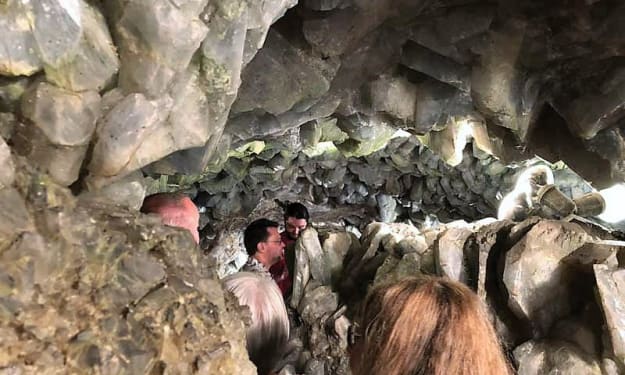
In Logan, you’ll find the caves of Hocking Hills State Park. When the Wisconsin glacier started melting thousands of years ago, the waters flowed over the land that is now part of the park. They rushed through cracks in the ground, creating deep winding gorges and recessed caves. The caves are large enough to walk into, such as the Rock House cave.
By Rasma Raisters4 days ago in Wander
Center Stage with Gina C.
*** I'm keen to republish the interviews I did for my series with Vocal creators. It's been a few years and I thought it might be nice to revisit these wonderful conversations. I'll be releasing them one at a time for a few weeks/months.
By Heather Hubler6 days ago in Interview


Comments
There are no comments for this story
Be the first to respond and start the conversation.