
Rissani Morocco Souk History
Walking Through Time in the Birthplace of Moroccan Trade


I didn’t arrive in Rissani expecting much. After days of driving through southeastern Morocco, it felt like just another quiet town near the desert. No crowds, no souvenir shops, no signs pointing to “must-see attractions.” But the moment I stepped into the souk, I realized I had walked into something far older and more meaningful than I anticipated.
This wasn’t a market built for visitors. It was a market built for survival, trade, and tradition — and it has been operating in one form or another for centuries.
First Impressions: Not a Tourist Market
The Rissani souk doesn’t announce itself. There’s no entrance gate, no neat layout. Instead, it unfolds naturally — dirt paths, low stalls, animals tied near their owners, men crouched in circles talking business.
I immediately noticed something different: no one was trying to sell me anything.
People were busy. Real deals were happening. Sheep were being inspected, prices debated quietly, bread exchanged hand to hand. I felt like a guest in someone else’s routine, not a customer.
That’s when a local guide quietly said, “This market hasn’t changed much.”
Rissani’s Role in Moroccan History
Rissani sits near what was once Sijilmassa, an ancient city that played a crucial role in trans-Saharan trade. Long before modern borders existed, caravans crossed the desert carrying gold, salt, spices, and manuscripts between West Africa and northern Morocco.
Rissani was their northern anchor.
Standing there, watching traders move through the souk, it wasn’t hard to imagine camels replacing motorcycles, and gold dust replacing cash. The logic of the market — exchange, negotiation, trust — felt timeless.
Souk Days Still Shape Life Here
I learned that the main market days are Tuesday, Thursday, and Sunday. On those mornings, people arrive from surrounding villages long before sunrise.
Some walk. Some ride old motorbikes. Others arrive with donkeys, just as their grandparents did.
By mid-morning, the souk becomes dense with movement. Prices rise and fall. Deals are made with handshakes. There are no written contracts, just reputation and experience.
A local explained to me that families still plan their week around souk day — something confirmed later by guides I met through Morocco Family Vacation, who regularly bring travelers here to observe rather than interfere.
The Livestock Market: Honest and Unfiltered
The livestock section stopped me in my tracks.
Goats, sheep, and donkeys stood calmly as buyers examined them closely — teeth, legs, posture. Men debated prices in low voices. No shouting, no rush.
It felt deeply human. No performance. No explanation signs. Just tradition unfolding as it always has.
It’s not comfortable for everyone, but it is honest — and that honesty is exactly what makes the Rissani souk important.
Food, Dates, and Daily Survival
Rissani is famous for its dates, and once you taste them, you understand why. The nearby Tafilalt oasis produces varieties that are richer and softer than anything I had tried before.
Women sold warm bread wrapped in cloth, fresh from communal ovens. Locals dipped it into olive oil or ate it with dates on the spot.
Nothing here was decorative. Everything had a purpose. Food was fuel, not spectacle.
A Royal Connection Few Visitors Know
What surprised me most was learning that Rissani is the birthplace of Morocco’s current royal dynasty.
Moulay Ali Cherif, ancestor of today’s Alaouite kings, came from this region. His mausoleum sits just outside town, and while non-Muslims cannot enter, the presence alone adds weight to Rissani’s historical importance.
This wasn’t just a trading town. It was a place where power, faith, and commerce intersected.
Why Rissani Feels Different
Rissani hasn’t been polished for tourism. That’s why it feels real.
There are no souvenir stalls selling the same items found across Morocco. No rehearsed friendliness. No sense of performance.
At first, that can feel uncomfortable. But after a while, it becomes refreshing.
Traveling with local experts later helped me understand that this authenticity is exactly why many family-focused itineraries intentionally include Rissani — not as entertainment, but as education.
What Visiting Taught Me
Rissani taught me that history doesn’t always live in museums. Sometimes it’s in the dust under your shoes, in the rhythm of bargaining, in the quiet patience of a man waiting to sell his sheep.
This souk still matters because it still works.
And walking through it reminded me why travel should sometimes make us observers, not participants.
Final Thoughts
Rissani’s souk isn’t about buying something to take home. It’s about understanding where Morocco comes from.
Long after I left, I realized that this market gave me something rare a glimpse into a system that survived centuries not because it changed, but because it didn’t need to.
If you’re willing to slow down, listen, and respect the space, Rissani offers one of the most authentic encounters with Morocco’s past that still exists today.
References & Further Reading
Some of the locations and insights mentioned here are explored in more depth in a longer travel guide based on firsthand experience in Morocco. Readers looking for a detailed breakdown, seasonal context, and practical notes can find additional information there.
About the Creator
Ariel Cohen
Ariel Cromwell | Morocco travel Writer and mom sharing local insights, family travel experiences, and practical tips to help others explore the country with confidence.
Keep reading
More stories from Ariel Cohen and writers in Wander and other communities.
Family Morocco Tour Packages: What to Expect When Traveling Together
Traveling through Morocco with family changed the way I think about group travel. It wasn’t the destinations themselves that stood out the most it was how the experience shifted when everyone’s comfort, patience, and energy mattered equally.
By Ariel Cohen2 months ago in Wander
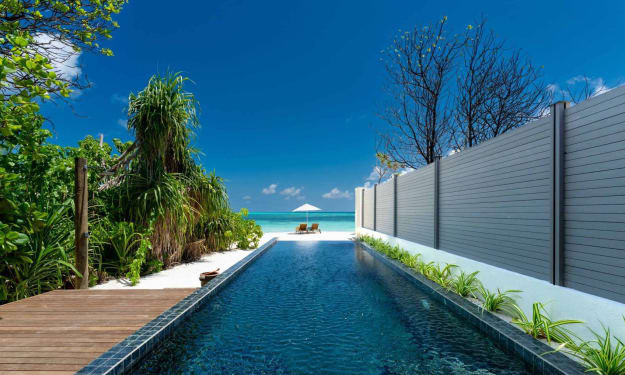
10 Reasons to Choose a Beach Villa with Private Pool
A beach holiday is about more than warm sand and gentle surf. When you choose a beach villa with a private pool, you unlock a level of comfort, privacy, and personalised experience that simply cannot be matched by standard hotel rooms. But what makes a private-pool villa genuinely worth it — beyond the glossy photos?
By Island Life Maldivesa day ago in Wander



Comments
There are no comments for this story
Be the first to respond and start the conversation.