
Photographic Memories From Los Angeles Overlooks
A day trip through Los Angeles’ iconic scenic overlooks - Griffith Park, Mulholland Drive, and more - captured in a photo-essay exploring memory, grief, and the city’s layered beauty. Photos shot by Camille Ora-Nicole

PART 1: Memory Landscapes
My mom worked as a teacher nearly my entire life. Generally, teachers don’t work summer, but my mom took on additional work nearly every year. She had two kids (and later three) to raise, a master’s degree in her periphery, and responsibility worth two people to carry on her back. I didn’t understand this effect on my mom; all I had were my occasionally hurt feelings and the idea of what family should look and act like from TV.
I wish I could have taken snapshots of moments where I felt abandoned or alone. I wish I had a photo book of all my worst memories so I could revisit them, compare them to my mom’s timeline, and then adjust what I remember to account for my mom’s best efforts and exhaustion.
At 33, childhood memories are starting to become fuzzy pencil outlines. The only thing that remains intact is the way I treat other people and the way I treat myself. Secondhand trauma — hell, multi-generational trauma colors the way I function. I don’t sleep much. I’m a little paranoid a lot of the time. I hate compliments but I want them anyway. I have a sense of responsibility that could crush a car. I almost drowned once and thought, “Darn, I should have written a will.” I was maybe 11 or 12 when that happened.
My sister and I spent a lot of time at school summer camp. It wasn’t really summer camp. It was basically summer babysitting with lunch and a few field trips thrown in. Summers generally weren’t fun, but spring break was. We often spent the week at our auntie’s house, and it was with her family and our granny that we went on vacation. Mom would give her money to cover food and souvenirs, and off we’d go to Disneyland, to the Grand Canyon, and to Vancouver.
I can’t remember ever buying something normal with my souvenir money. Why would I do that when I could blow all of it on disposable Fujifilm cameras? I still have some of the pictures I took back then — my granny standing on the lawn in front of the state capitol building. The “robbers” that “held up” our train on the way to the Grand Canyon. The actual Grand Canyon. The turtles in a little pond at the zoo. Tall shiny buildings in Vancouver and humpback whales swimming beside our ferry.
There were a lot of great photo moments, but my favorite shots were of the blurry fields we zoomed by during road trips. As I got older, this continued to be true, but with more finesse. Hay rolls in a field in Mississippi. Cumulonimbus clouds that could break open at any moment. An abandoned shack left rotting in the weeds. Crops blending into the horizon. Swamps that shouldn’t be real but somehow are.
Every time I took a picture of a landscape, I held it close because I knew I would never see that exact moment again. I would never have the opportunity to sit under that tree off the side of the freeway or pick those yellow flowers and wear them in my hair like that one song suggests. I could look at these photos and remember the ache of passing by a strange place and knowing I would never touch it. All I could feel was a printout of the moment.
Part 2: Choices, Choices…
I had a real dick of a photography professor in college. He used to say artists should never find themselves out of a job because they can create thing. His favorite color was purplish pink because it reminded him of women and their lips. We did a group project once where we took saran wrap, pulled it up around our faces, and had others take photos. The result? Criminal Minds chic. Many women dropped his class it within the first couple of weeks because of his unabashed misogyny. In reality, he probably shouldn’t have been allowed to teach.
Only one good thing could be gleaned from that class: he introduced me to the Fujifilm X-Series. He’d brag about how vivid his travel pics were straight out of the camera, and he was right — Fujifilm colors popped on images clear as day.
He really liked me as a student (I don’t know what that says about me), so he let me play around with his Fujifilm. I never forgot how natural it felt in my hands. When I got my first post-graduation job, I bought myself a Fujifilm X-E2 as a gift to myself. Today, I shoot with a Fujifilm X-T3. My Fujifilm camera usage kept growing up…until this past year.
Between last October and now, the ups and downs in my life have been intense. My granny, our family’s matriarch, died, and I decided that when I die, I want to be composted and have my grandchildren plant tomatoes in my dirt. I had a night where I stretched all my limits — alcohol, smoking, questionable decisions. Then I decided that I should party more, which I promptly reneged. I gained weight, probably due largely to stress, and bought four new pairs of cargo pants from Uniqlo that I wear like a uniform. I went to therapy to learn how to relax and developed a mild addiction to the mix of adrenaline and peace I experience while surfing. I don’t recognize my body half the time anymore, and I have a massive gap in my mind and on paper where nothing has been recorded due to discomfort.
Sometimes, I wonder how much I want to remember — and then I remember how my memory is already starting to falter and that many of my aunts and my granny suffered from dementia in their last years. I might not always have the privilege of remembering things without a nudge. It terrifies me.
I do want to remember the events I go to, the emotions I feel (good or bad), and how I look in one moment or another for context. I want to remember my family and my friends. Maybe photos aren’t physically held as often these days, but I can still make out the outlines with my eyes, drink familiarity from the valleys made from shadows, and bask in the highlights. I want to remember and am more afraid of a day I can’t than of any bad memories or discomfort.
So, on October 11th, I pulled out my sleeping Fujifilm X-T3 and remembered one of the most important things my stupid professor said: play with your settings. I programmed a couple of Fujifilm recipes, packed a bag for dawn, and slept with overlooks on my mind.
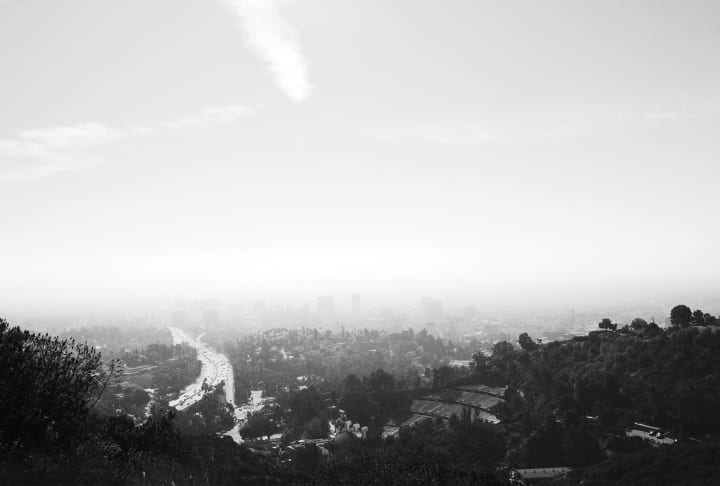
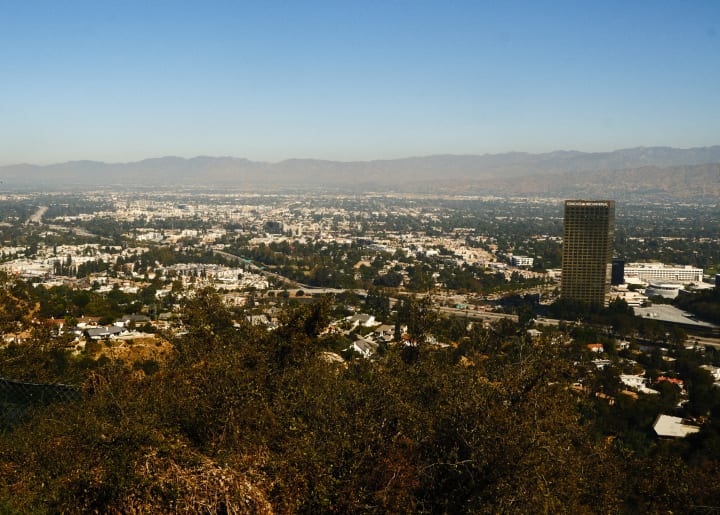
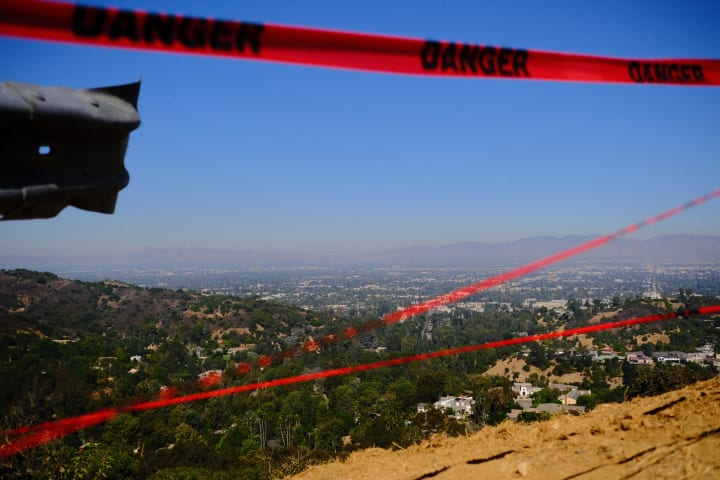
Part 3: Who Records Your Story?
There are worlds inside of worlds inside of worlds. There are billions of people, and we’ll only know a fraction of them. Stories exist in windows you can’t make out in buildings smaller than your fingernail on a computer screen. Maybe we can’t see the stories, but they’re there — whether we experience them or not.
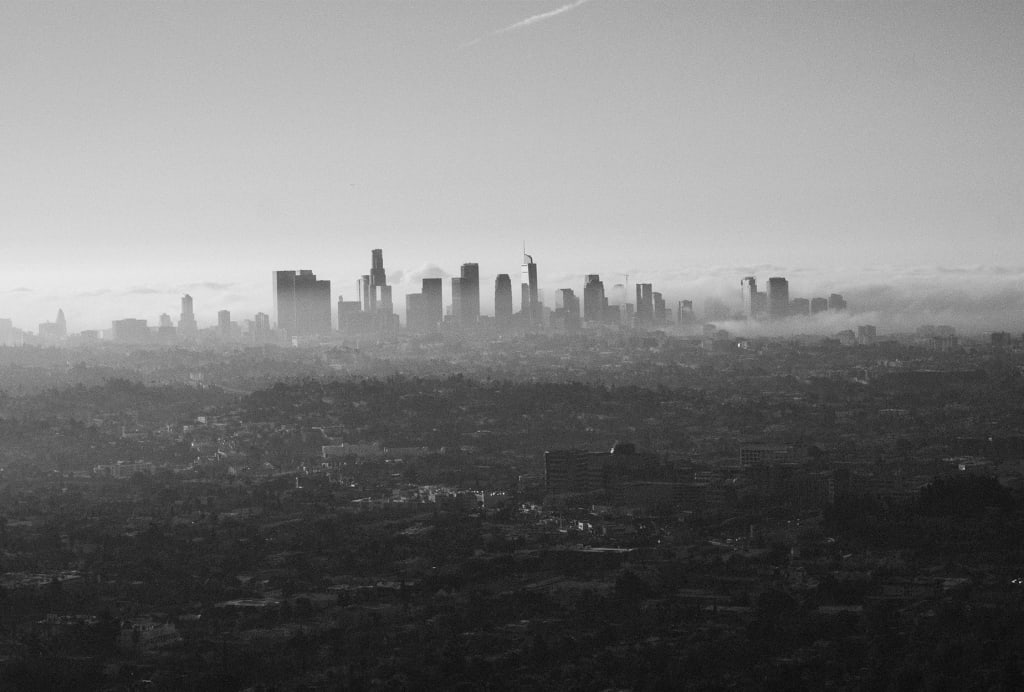
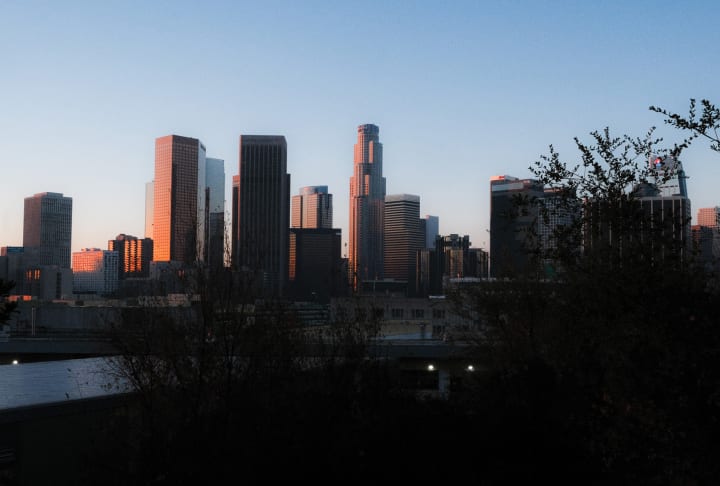
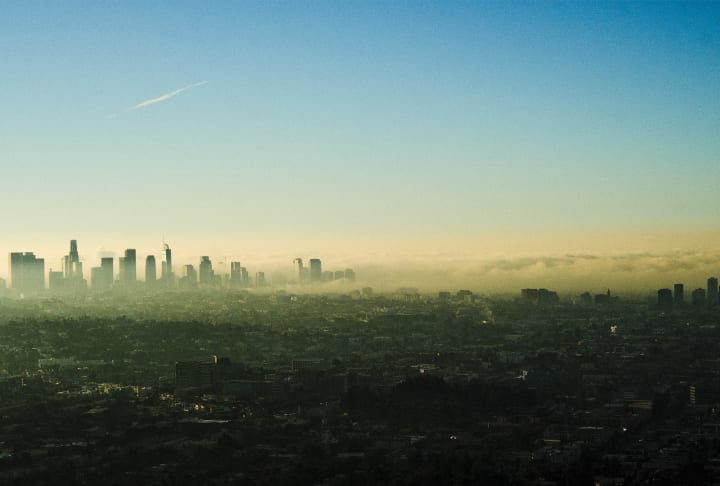
I first decided to visit Los Angeles overlooks because I wanted to get back to working with my camera, and I have always loved overlook scenes in movies and TV shows. It aligned with Narrative Heritage since the overlooks are iconic locations for tourists to visit and an excellent tool for visualizing the development timeline of Los Angeles. You can literally see stories grow from the overlooks.
The project ended with me feeling very small in the larger scheme of things, but no less important. I was looking down at millions and millions of stories, and somewhere, down there, someone was looking up at mine.
They saw a pinprick that started out shooting landscapes with Fujifilm disposable cameras to try and preserve a feeling.
They saw someone afraid of losing their memories, including the ones they made that day. Afraid of not recognizing the people and things they love.
They saw a moment where I remembered that I grew up in Los Angeles County, not the City of Los Angeles. Nearly every overlook was a brand-new experience.
They saw a process that ended with this essay.
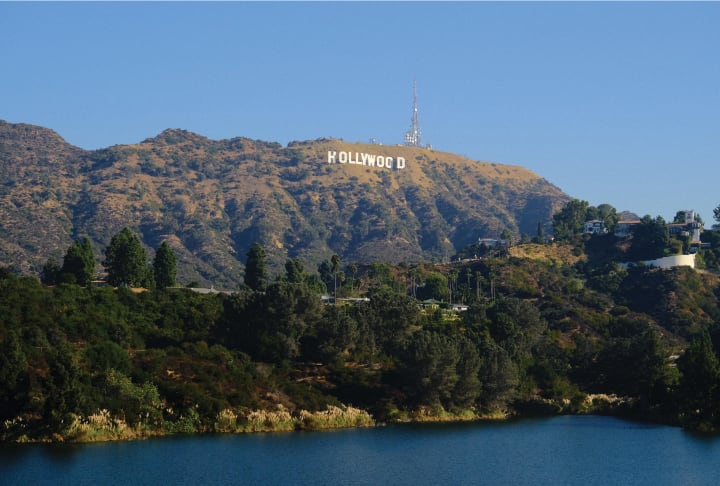
In a small way, I’ve preserved their memory as much as mine. There will never be a day like October 12th at Vista Hermosa Park, the Griffith Observatory, Lake Hollywood, Jerome C. Daniels Overlook, Universal City Overlook, or Mulholland Dr. Scenic Overlook. Whatever they were thinking, walking below on the sidewalks or looking out the window, is frozen in time in a photo they may never see.
It’s miraculous really, how a small collection of electronics, screens, and ink can preserve an entire world of memory.
More photos from the project at www.reelfolklore.com!
About the Creator
Camille Ora-Nicole
To be honest it's all just razzle dazzle.
IG: @reelfolklore
Reader insights
Outstanding
Excellent work. Looking forward to reading more!
Top insights
Compelling and original writing
Creative use of language & vocab
Easy to read and follow
Well-structured & engaging content
Excellent storytelling
Original narrative & well developed characters
Eye opening
Niche topic & fresh perspectives
Heartfelt and relatable
The story invoked strong personal emotions
Masterful proofreading
Zero grammar & spelling mistakes
On-point and relevant
Writing reflected the title & theme
Keep reading
More stories from Camille Ora-Nicole and writers in Wander and other communities.
Sinners, Venus, and Cowboy Carter: Legacy, Resilience, and the Fight Ahead
I saw Sinners last Wednesday. Then I saw the documentary “I’m Your Venus” on Thursday, and went to the Cowboy Carter concert at SoFi on Friday. All the while (well, on Friday and Saturday), young filmmakers transformed my apartment for a short film.
By Camille Ora-Nicole10 months ago in Critique
Worth the Wait: Puerto Viejo, Costa Rica
Beach bumming in a small Caribbean beach town sounded like a perfect way to end our 6-month trip through Mexico and Central America. Or so we thought. The foul, fishy stench of rotten seaweed hit our nostrils as we stepped from the cramped bus and looked out at a rather depressing, empty, and underwhelming black sand beach. It was pouring with rain, and we had to quickly fish out our ponchos. We thought, this couldn’t be it, could it?
By Sh*t Happens - Lost Girl Travel8 days ago in Wander
Turkey: Take THEM With You.
The first time I went to Istanbul, I went with my sister. The second time, I brought family. Picture from the trip. Same city. Same accommodation - right in the center of everything, the spot we'd found the first time and couldn't justify leaving.
By Destiny S. Harris7 days ago in Wander




Comments
There are no comments for this story
Be the first to respond and start the conversation.