
Nar Phu Trek: An Unforgettable Adventure in the Himalayas
Nar Phu Trek
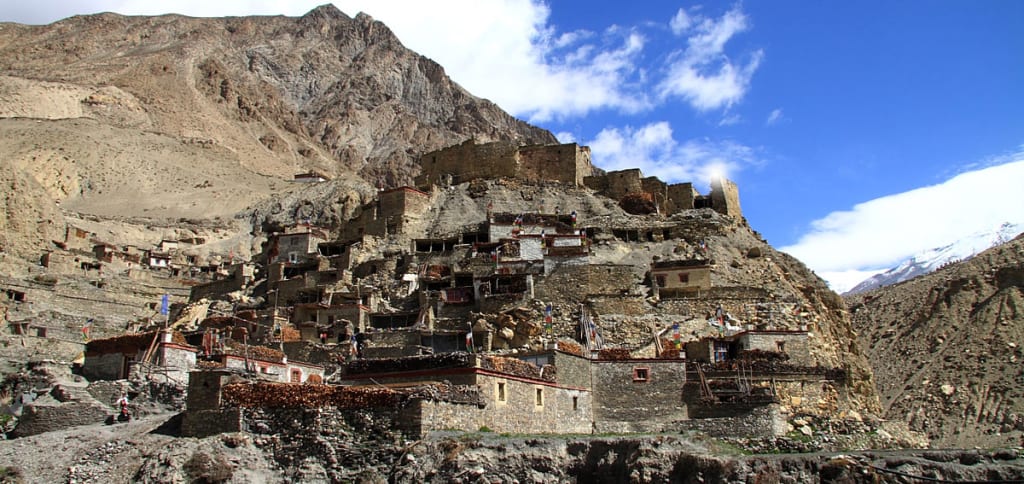
The Nar Phu Trek is one of Nepal's most exciting and off-the-beaten-path trekking routes. Located in the Annapurna region, this trek takes you to the remote Nar and Phu villages, offering a glimpse into traditional Tibetan culture and stunning views of the Himalayas. It’s perfect for adventurous trekkers looking for something less crowded but equally breathtaking.
Starting the Trek
The journey begins with a drive from Kathmandu to the town of Besisahar, where the actual trek starts. From Besisahar, you’ll make your way to the small village of Koto, the entry point to the Nar Phu Valley. The area is restricted, so you’ll need a special permit to trek here, adding to the sense of adventure.
Trekking Through the Nar Phu Valley
As you hike through the Nar Phu Valley, you’ll be surrounded by beautiful landscapes that change from lush forests to rocky terrain. The trail takes you past rivers, waterfalls, and ancient monasteries. Along the way, you’ll encounter traditional stone houses, mani walls (prayer walls), and monks going about their daily routines. The area has a strong Tibetan influence, and you’ll get to experience the unique culture of the local people.
The trek is relatively challenging, especially as you gain altitude. The path winds up steep hills, with some sections involving long ascents. However, the views of the surrounding mountains, such as Annapurna II and Gangapurna, make the effort worthwhile. You’ll also pass through remote villages like Meta and Phu, where life is simple and largely untouched by modern technology.
Reaching Nar and Phu
Nar and Phu are the two main villages on the trek. Nar is known for its stunning monasteries, and Phu is famous for its deep connection to Tibetan Buddhism. Both villages are peaceful and offer a rare opportunity to experience the traditional way of life in the Himalayas. The locals here primarily depend on farming and livestock, and their lifestyle has remained largely unchanged for centuries.
While in Nar and Phu, you can visit ancient monasteries, learn about local traditions, and enjoy the serene surroundings. The people here are warm and welcoming, and you’ll find them eager to share stories about their way of life.
Altitude and Acclimatization
The Nar Phu Trek reaches altitudes of around 5,300 meters (17,400 feet) at the Kang La Pass, which is one of the highest points of the trek. Because of the high altitude, it’s important to take proper precautions and allow time for acclimatization. You’ll need to take rest days along the way to adjust to the thin air, ensuring a safe and enjoyable trek.
The Final Push: Kang La Pass
One of the most exciting parts of the trek is crossing the Kang La Pass. This pass offers some of the best panoramic views of the Annapurna and Manaslu mountain ranges. The ascent is tough, but the reward is incredible—sweeping views of snow-capped peaks and distant valleys.
After crossing the pass, you’ll descend into the Annapurna Circuit, where the terrain becomes gentler, and the trek starts to feel a bit easier. From here, you’ll continue your journey back to Besisahar, completing the loop of the Nar Phu Trek.
Why Choose the Nar Phu Trek?
If you’re looking for a trek that combines stunning natural beauty with rich culture and history, the Nar Phu Trek is a great choice. It offers a chance to explore a remote part of Nepal that is less frequented by tourists, allowing you to experience the real Himalayas.
Unlike the more popular treks like the Everest or Annapurna Circuit, the Nar Phu Trek offers a quieter, more peaceful journey. It’s perfect for trekkers who enjoy solitude and want to immerse themselves in nature and culture. The trek also offers a sense of accomplishment, as it takes you to places that few have the opportunity to visit.
Conclusion
The Nar Phu Trek is a unique and rewarding adventure in the heart of the Himalayas. With its stunning views, remote villages, and fascinating Tibetan culture, it’s a trek that offers something special for every traveler. While it may be challenging, the journey is well worth the effort, and you’ll return home with unforgettable memories of one of Nepal’s hidden gems.
About the Creator
Keep reading
More stories from bright vibes and writers in Wander and other communities.
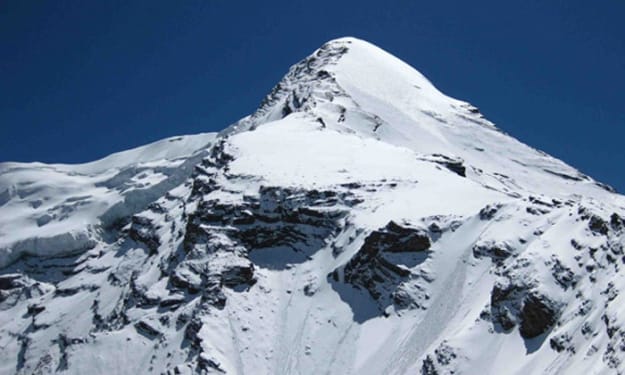
Exploring Pisang Peak: A Journey to the Summit
If you’ve ever dreamed of summiting a Himalayan peak, Pisang Peak might just be the perfect adventure for you. Located in the Annapurna region of Nepal, Pisang Peak is a popular trekking peak that offers both seasoned and novice climbers the chance to experience the thrill of mountaineering in one of the world’s most stunning mountain ranges.
By bright vibesabout a year ago in Wander
The Ancient Wonder That Stole My Heart: My Journey Through the Angkor Archaeological Park
A Magical Trip of Temples, Sunrises, and Timeless Beauty in Siem Reap I’ve always been a traveler who seeks beauty, history, and unforgettable moments. But nothing in my life prepared me for the day I stepped into the Angkor Archaeological Park. This place is not just a group of temples—it’s a living story, a breathtaking world of stone and jungle, and a spiritual journey that changes you.
By Ahmed aldeabellaabout 14 hours ago in Wander
Eating in Morocco With Food Allergies by Morocco Family Vacation
Traveling with food allergies is stressful no matter where you go. Traveling with kids who have food allergies can feel overwhelming. When we planned our family trip to Morocco, this was the part that worried me the most. I kept asking myself the same questions: Would people understand allergies? Would language be a barrier? Would I be constantly on edge at every meal?
By Ariel Cohen3 days ago in Wander



Comments
There are no comments for this story
Be the first to respond and start the conversation.