
Must-Visit Cultural and Historical Sites in Singapore
Explore Singapore’s Rich Heritage: Top Cultural and Historical Landmarks

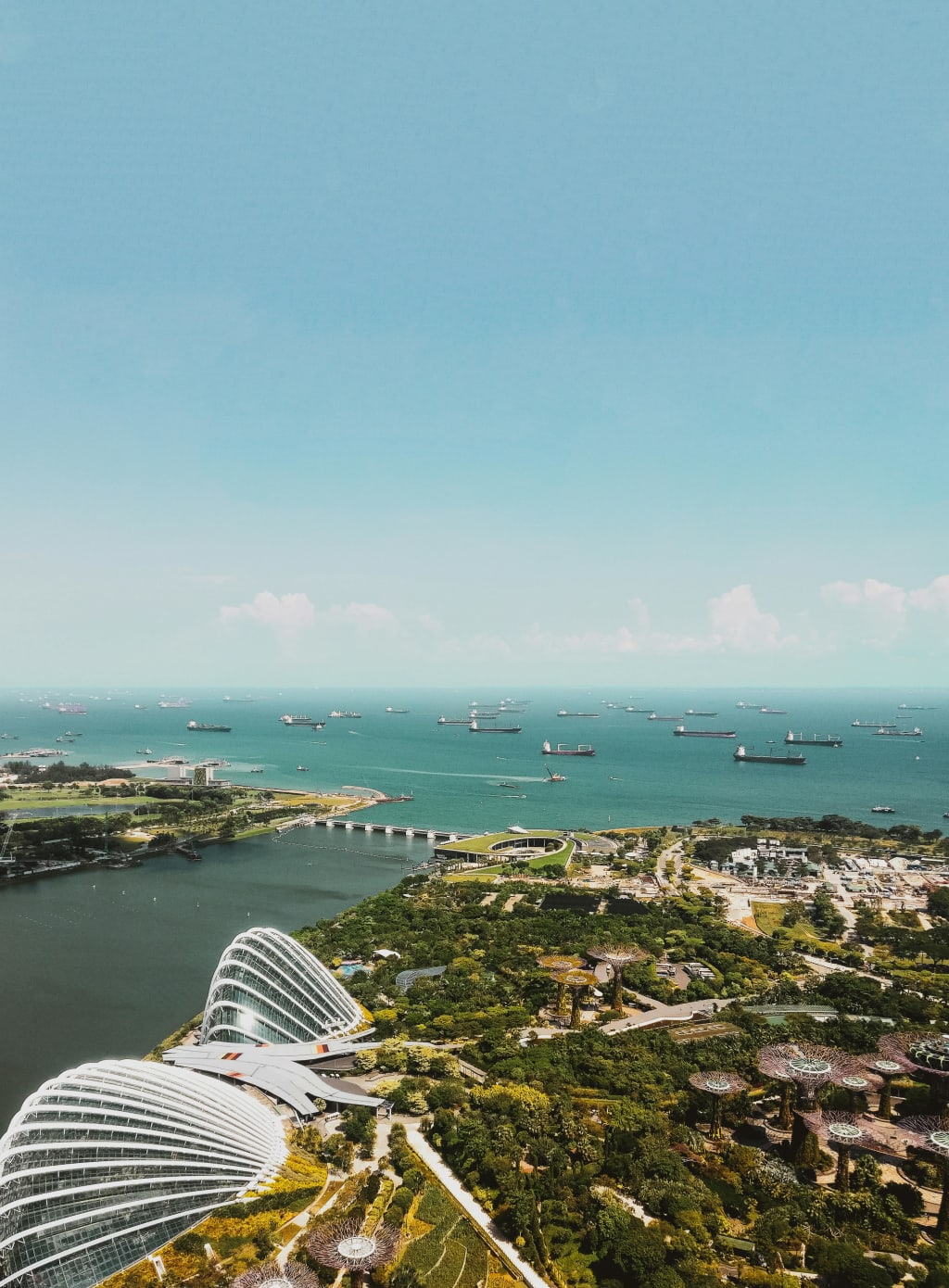
Singapore is a vibrant blend of modernity and tradition, where futuristic skyscrapers stand side by side with colonial-era buildings and traditional temples. This small but dynamic island city-state is rich in history and culture, making it an ideal destination for history buffs and culture enthusiasts. Whether you’re drawn to ancient temples, colonial architecture, or fascinating museums, Singapore has plenty to offer. Here are some must-visit cultural and historical sites that showcase the island’s unique heritage.
1. The National Museum of Singapore
If you’re looking to dive deep into Singapore’s past, the National Museum of Singapore is the place to start. As the oldest museum in the country, it offers a comprehensive overview of Singapore’s history, from its humble beginnings as a fishing village to its rise as a global economic powerhouse. The museum is housed in a beautiful colonial-style building that itself tells a story of the country’s historical evolution.
Visitors can explore exhibitions that cover Singapore’s founding, its role in World War II, and its journey to independence. Interactive displays, video presentations, and art installations bring history to life in a way that’s engaging for visitors of all ages.
2. Chinatown
Chinatown is one of Singapore’s most iconic districts, offering a glimpse into the country’s Chinese heritage. Walking through Chinatown is like stepping back in time, with its traditional shophouses, temples, and bustling markets. Chinatown Heritage Centre is a must-visit spot for anyone interested in learning about the history of Chinese immigrants in Singapore. The museum is housed in restored shophouses and tells the story of the early Chinese settlers, their struggles, and their contributions to the growth of Singapore.
Another key historical site in Chinatown is the Sri Mariamman Temple, Singapore’s oldest Hindu temple, which has stood since the early 19th century. Its intricate architecture and religious significance make it a top attraction for those interested in Singapore’s cultural diversity.
3. The Sultan Mosque
Located in the heart of Kampong Glam, Singapore’s historic Malay district, the Sultan Mosque is a stunning example of Islamic architecture. Built in 1824, this mosque is one of the most important landmarks in Singapore’s Muslim community. Its towering golden dome and intricate designs make it one of the city’s most impressive buildings.
Visitors are welcome to explore the mosque and learn more about its history and cultural significance. The nearby Malay Heritage Centre offers additional insight into Singapore’s Malay culture and history, with exhibits that showcase the contributions of the Malay community to the nation’s development.
4. Fort Canning Park
For a taste of Singapore’s colonial past, head to Fort Canning Park, a historic hilltop park that has been at the center of the country’s history for centuries. It was once the site of a Malay palace, and later, the headquarters of the British military during the colonial era. During World War II, the British surrendered Singapore to the Japanese at this very location.
Today, Fort Canning is a beautiful green space that hosts several historical landmarks, including the Fort Canning Centre, which offers exhibitions on Singapore’s colonial history. The park is also home to The Battlebox, a former British underground command centre that has been preserved as a museum. A visit here will take you through the gripping history of the fall of Singapore during World War II.
5. Raffles Hotel
Named after Sir Stamford Raffles, the British colonialist credited with founding Singapore, Raffles Hotel is one of the most famous and historic hotels in the world. Opened in 1887, the hotel’s colonial architecture is a stunning example of 19th-century design. It has been a key part of Singapore’s history and is where many notable figures, including literary giant Ernest Hemingway, have stayed.
Even if you’re not staying at the hotel, a visit to Raffles Hotel is well worth it. You can enjoy a traditional Singapore Sling at the Long Bar, the hotel’s most famous watering hole, or simply wander around the property to soak in its colonial charm.
6. Little India
Little India is a vibrant, colorful district that showcases Singapore’s Indian heritage. The area is a feast for the senses, with its bustling streets, aromatic spice markets, and beautiful temples. One of the most iconic landmarks in Little India is the Sri Veeramakaliamman Temple, a Hindu temple dedicated to the goddess Kali. Its stunning Dravidian architecture and intricate carvings make it one of the most photogenic temples in Singapore.
Another must-see in Little India is the Indian Heritage Centre, which offers insights into the contributions of the Indian community to Singapore’s development. The center’s exhibits range from historical artifacts to cultural displays that celebrate the Indian diaspora in Singapore.
7. Asian Civilisations Museum
For a deeper understanding of the cultural tapestry of Singapore and the broader region, a visit to the Asian Civilisations Museum is essential. Located along the Singapore River, this museum is dedicated to exploring the diverse cultures and histories of Asia, with a focus on the interactions between different civilizations.
The museum’s extensive collection includes artifacts from China, Southeast Asia, South Asia, and the Islamic world. It’s an excellent place to learn about the cultural exchange that has shaped Singapore, which is a melting pot of different ethnic groups.
8. Peranakan Museum
The Peranakan Museum offers an in-depth look at the unique Peranakan culture that developed in Southeast Asia, including Singapore. The term "Peranakan" refers to the descendants of Chinese immigrants who settled in the Malay Archipelago, including Singapore, and integrated with local cultures.
The museum’s exhibits showcase the Peranakan lifestyle, from their colorful clothing and intricate jewelry to their distinctive art and architecture. The Peranakan culture is an important part of Singapore’s heritage, and this museum offers a fascinating glimpse into their traditions and way of life.
9. Kampong Glam
Another key cultural district, Kampong Glam is the heart of Singapore’s Malay and Muslim communities. This area is home to the magnificent Sultan Mosque, as well as the vibrant Arab Street and Haji Lane. The colorful shophouses along these streets are filled with boutique shops, cafés, and traditional artisans. The area has a rich cultural history and is one of the best places to experience Singapore’s multicultural identity.
10. Singapore’s Historic Cemeteries
For those interested in the darker side of history, Singapore’s historic cemeteries offer a look at the past through the final resting places of its early settlers. Kranji War Cemetery is dedicated to those who lost their lives during World War II, while the Bukit Brown Cemetery, one of the largest Chinese cemeteries outside of China, offers a fascinating look at Chinese burial practices and the country’s early Chinese community.
Conclusion
Singapore is a city that seamlessly blends its rich cultural heritage with modern innovation. From colonial-era landmarks like Raffles Hotel to cultural gems like Chinatown Heritage Centre and Sri Mariamman Temple, the city offers a wealth of history waiting to be explored. Whether you’re interested in learning about Singapore’s colonial past, its multicultural identity, or the traditions that have shaped its people, there’s something for everyone.
To explore these iconic cultural and historical sites, consider booking a Singapore tour packages or Singapore holiday packages, which can help you make the most of your visit while ensuring a hassle-free and enriching experience.
About the Creator
Radhiya Furat
"Welcome to our Travel blogs! We’re a passionate team of travel enthusiasts, sharing our global adventures. From hidden gems to local delicacies, we’re here to guide you in exploring new horizons and creating lasting memories."
Keep reading
More stories from Radhiya Furat and writers in Wander and other communities.
How to Travel Thailand on a Budget: Tips and Tricks
Thailand is one of the most popular travel destinations in Southeast Asia. Known for its stunning beaches, rich culture, and delicious food, it’s also a country that’s perfect for budget-conscious travelers. Whether you're a backpacker or just looking to explore the beauty of Thailand without breaking the bank, this guide will provide you with practical tips to help you travel Thailand on a budget.
By Radhiya Furat12 months ago in Wander
Worth the Wait: Puerto Viejo, Costa Rica
Beach bumming in a small Caribbean beach town sounded like a perfect way to end our 6-month trip through Mexico and Central America. Or so we thought. The foul, fishy stench of rotten seaweed hit our nostrils as we stepped from the cramped bus and looked out at a rather depressing, empty, and underwhelming black sand beach. It was pouring with rain, and we had to quickly fish out our ponchos. We thought, this couldn’t be it, could it?
By Sh*t Happens - Lost Girl Travel9 days ago in Wander
The Forsyth House Fire
Since 1851, Forsyth House has stood on the corner of Union Street and Gordon Street in the heart of Glasgow. Its iconic, or was... because on Sunday 8th of March, 2026, a fire broke out in a small, seemingly un-named shop in the building and tore all that history down. As I write, the rubble is still unsettled and the street is still blocked off. Central Station is quiet on the upper level, and around 30 small businesses have quite literally gone up in smoke.
By S. A. Crawford2 days ago in The Swamp



Comments
There are no comments for this story
Be the first to respond and start the conversation.