
Morocco Food & Street Eats: A Traveler’s Guide to Tastiest Local Dishes
From sizzling tagines to sweet mint tea — discover what to eat, where to find it, and how to enjoy Morocco like a local.


If Morocco had a flavor, it would be a bold mix of spices, sweet aromas, and sizzling street food. As soon as you step into a medina, the scent of cumin, cinnamon, and fresh bread hits you, instantly waking your appetite. Food in Morocco is not just about nourishment it’s culture, hospitality, and a way to connect with locals.
Having guided travelers through Morocco for years, I’ve seen firsthand how culinary experiences shape a trip. Here’s how to eat like a local while exploring cities, deserts, and mountains without missing a bite of authentic Morocco.
Street Food: Where the Heart of Morocco Lives
Moroccan street food is a window into daily life. In Marrakech’s Jemaa el-Fnaa, stalls line the square with everything from spicy sausages to fresh orange juice. Here are some must-try street foods:
Msemen Square Moroccan pancakes, sometimes stuffed with honey or cheese. Perfect for breakfast or an afternoon snack.
Snails (Babbouche) Served in spicy broth; surprisingly tasty and a true local experience.
Kebabs & Brochettes Grilled meat on skewers, often paired with spicy sauces.
Fresh Juices & Mint Tea Juiced oranges are ubiquitous, and mint tea is poured with flair, often from a height to create foam.
Tip: Follow the locals. A busy stall means fresh food and better flavors. Avoid empty stalls, especially for snails or fried items.
Classic Moroccan Dishes
Beyond street food, Morocco offers hearty dishes that tell the story of its culture:
Tagine Slow-cooked stews with meat, vegetables, or fish. Tagines are named after the clay pot they’re cooked in, which locks in flavor. My favorite: chicken with preserved lemons and olives.
Couscous Traditionally served on Fridays. Steamed semolina topped with vegetables, chickpeas, and sometimes lamb.
Pastilla A sweet-and-savory pie, often with pigeon or chicken, almonds, and cinnamon. The flaky crust surprises first-time visitors.
Harira A soup of tomatoes, lentils, chickpeas, and herbs, traditionally served during Ramadan.
In small towns and mountain villages, these dishes can be even more authentic. I remember eating a simple lamb tagine in a tiny Atlas village — the meat so tender it melted in my mouth, with spices so fragrant they lingered in the air.
Regional Food Highlights
Morocco’s diversity extends to food, depending on the region:
Marrakech: Souks offer snacks, pastries, and tajines in small cafés. Try a local bakery for fresh bread with olives or cheese.
Fes: Known for pastilla and couscous; exploring the medina is a culinary adventure in itself.
Essaouira: Coastal town; seafood dominates fresh grilled fish and calamari straight from the Atlantic.
Sahara Desert: Meals in desert camps are simple but memorable couscous with vegetables, roasted lamb, and tea by the fire under the stars.
Eating Tips for Travelers
Ask Locals for Recommendations: Hotels, riads, and shopkeepers often know the best spots.
Check Freshness: For street food, busy stalls usually mean fresh ingredients.
Be Adventurous: Try dishes you’ve never heard of; Moroccan cuisine is full of surprises.
Cooking Classes: Many travelers fall in love with Moroccan food through hands-on cooking classes. Making your own tagine or pastry gives insight into local culture and techniques.
Drinks & Desserts You Must Try
Mint Tea: More than a drink; it’s Moroccan hospitality. Served hot and sweet, often accompanied by conversation.
Moroccan Pastries: Almond-filled pastries, chebakia (sesame cookies), and cornes de gazelle are irresistible.
Coffee: Found mostly in urban cafés; often served in small glasses and sweetened.
Food as Culture
Eating in Morocco is not just about flavor it’s about storytelling. Families gather around tagines, merchants offer tea to passersby, and small cafés become hubs of conversation. Sharing food becomes a way to connect with the country and its people.
Even in deserts, mountains, or tiny villages, food is central. I remember a family in the High Atlas offering me freshly baked bread and goat cheese while I watched their goats graze. That simple meal became one of my most cherished memories.
Final Thoughts
Moroccan cuisine is as varied as its landscapes deserts, mountains, coastlines, and bustling cities all offer unique flavors. Eating like a local requires curiosity, courage, and a sense of adventure. From street stalls to quiet village kitchens, Morocco invites you to taste its culture in every bite.
Travelers who embrace food in Morocco don’t just fill their stomachs — they fill their hearts with stories, flavors, and unforgettable memories.
About the Creator
Ariel Cohen
Ariel Cromwell | Morocco travel Writer and mom sharing local insights, family travel experiences, and practical tips to help others explore the country with confidence.
Keep reading
More stories from Ariel Cohen and writers in Wander and other communities.
How to Travel Morocco on a Budget in 2025 — Smart, Affordable & Authentic
Morocco is often associated with vibrant souks, desert adventures, majestic mountains but many think it requires a big budget. That’s not always true. With a little planning, Morocco can be an incredible, affordable adventure and I’ve helped dozens of travellers do just that. Here’s how to enjoy Morocco on a budget in 2025 without sacrificing magic, comfort or authenticity.
By Ariel Cohen4 months ago in Wander
Worth the Wait: Puerto Viejo, Costa Rica
Beach bumming in a small Caribbean beach town sounded like a perfect way to end our 6-month trip through Mexico and Central America. Or so we thought. The foul, fishy stench of rotten seaweed hit our nostrils as we stepped from the cramped bus and looked out at a rather depressing, empty, and underwhelming black sand beach. It was pouring with rain, and we had to quickly fish out our ponchos. We thought, this couldn’t be it, could it?
By Sh*t Happens - Lost Girl Travel10 days ago in Wander
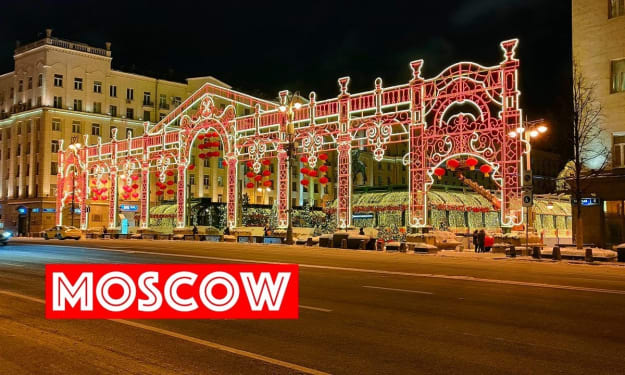
Moscow at Midnight: Stories Hidden in Russia’s Quiet Streets
Cities often reveal their true character after sunset. The noise softens, crowds fade, and ordinary streets begin to feel different. Moscow is one of those cities that changes completely when night arrives. During the day, it moves with purpose. Cars rush through wide roads, people hurry between offices, and tourists fill historic squares. But late at night, the atmosphere becomes slower and more reflective. Streetlights glow over old buildings, quiet parks hold memories of past centuries, and the city feels both peaceful and mysterious. Many people imagine Moscow as powerful and serious, yet it also holds moments of silence, beauty, and personal stories. To understand Moscow fully, one must look beyond headlines and explore the emotions hidden within its streets.
By Muqadas khan2 days ago in Wander



Comments
There are no comments for this story
Be the first to respond and start the conversation.