
Mattancherry Palace: A Historical Gem of Kochi
Get information about mattancherry palace for your trip to Kochi.

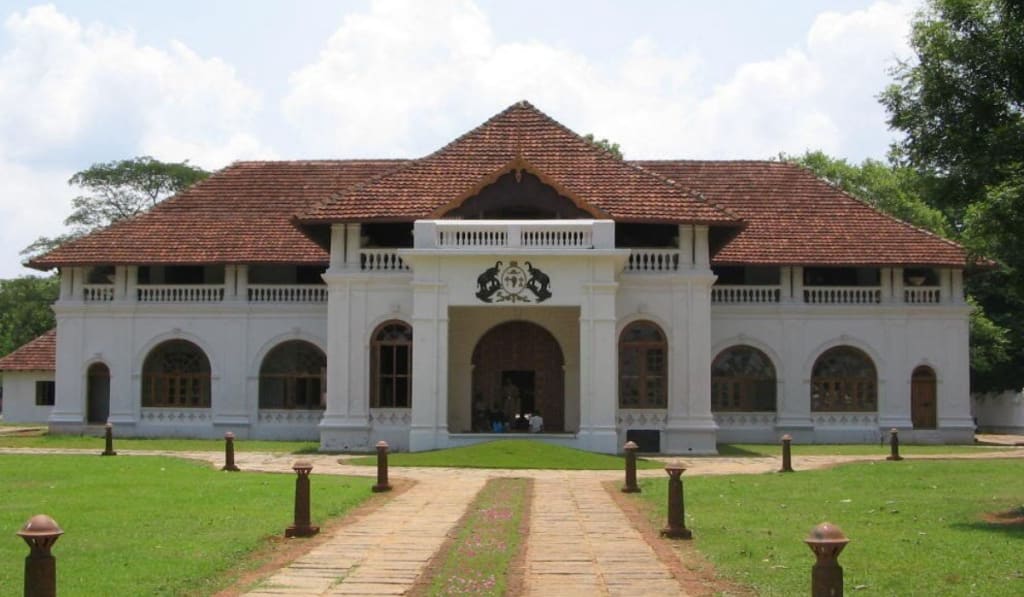
Nestled in the vibrant locale of Mattancherry, Kochi, the Mattancherry Palace—commonly referred to as the Mattancherry Dutch Palace—is a remarkable edifice that tells a compelling story of colonial influence and cultural amalgamation. Known for its unique architecture and rich historical significance, this palace has become a must-visit destination for tourists and history enthusiasts alike. This article delves into the Mattancherry Palace history, its architectural features, cultural relevance, and what visitors can expect when exploring this iconic site.
Mattancherry Palace History
Origins and Early Years
The Mattancherry Palace Kochi was originally constructed by the Portuguese in 1555 and served as a gift to the Raja of Kochi, demonstrating the early European influence in India. Its primary purpose was to serve as the residence for the Kochi royal family. Over the years, the palace underwent significant renovations and expansions, particularly after the Dutch seized control of the region in 1663. This transformation led to its dual identity as the Mattancherry Dutch Palace, reflecting the architectural and cultural styles brought by the Dutch colonizers.
The palace’s strategic location in Kochi, which was a thriving trading port, made it a significant site for various colonial powers vying for control over the lucrative spice trade. This blend of Portuguese and Dutch influences is evident in the palace’s architecture, art, and layout.
Colonial Influences
Throughout the centuries, the palace witnessed numerous historical events, including political negotiations and royal ceremonies. The Dutch played a crucial role in reshaping the palace, making enhancements that blended European styles with traditional Keralan architecture. The palace's role as a residence for the Kochi royal family also added layers of history, as it served as a venue for royal functions and gatherings.
Post-Colonial Era
After India gained independence in 1947, the palace became a significant historical landmark, attracting visitors from around the world. It was declared a protected monument, and efforts were made to preserve its rich heritage. Today, the Mattancherry Palace stands as a symbol of Kochi’s diverse history, reflecting the intermingling of various cultures that have shaped the region over the centuries.
Architectural Marvel of Dutch Palace Mattancherry Kochi Kerala
The architecture of the Mattancherry Palace Kochi is a captivating blend of traditional Kerala and colonial styles, showcasing the ingenuity of local craftsmen and the influence of European design principles.
Exterior Features
Traditional Kerala Style: The palace features sloping roofs, intricately carved wooden pillars, and a distinctive laterite stone structure, characteristic of Keralan architecture. The use of local materials enhances its authenticity and reflects the region's architectural heritage.
Courtyards: The layout includes several courtyards that promote natural light and ventilation, ensuring the interiors remain cool and comfortable in the tropical climate.
Interior Highlights
Inside, the palace is adorned with stunning murals and artworks that depict various themes from Hindu mythology and history.
Mural Paintings: The walls of the palace are embellished with vibrant mural paintings dating back to the 17th century. These murals illustrate scenes from the Ramayana and Mahabharata, showcasing the artistic talent of local painters and the cultural richness of the region.
Royal Chambers: The palace comprises several rooms, including the Puthen Malika, where royal ceremonies took place. Each chamber is filled with antique furniture, royal memorabilia, and artifacts that offer a glimpse into the lifestyle of the Kochi royal family.
Cultural Significance
The Mattancherry Palace is not just an architectural marvel; it also serves as a cultural hub that embodies the history of Kochi.
A Symbol of Cultural Amalgamation
The palace represents the harmonious blend of Indian and European cultures, showcasing how colonial influences shaped local traditions and lifestyles. The murals, architecture, and artifacts reflect the artistic and cultural exchanges that occurred over centuries.
Educational Importance
Mattancherry Palace is a popular destination for educational trips, allowing students to learn about Kerala's history, art, and culture in an engaging environment. The stories told through the palace's murals and exhibits provide invaluable insights into the region's past.
Visitor Experience
Entry Fee and Timings
Visiting the Mattancherry Palace is an enriching experience, and the entry fees are quite reasonable. As of the latest information:
Entry Fee: Approximately ₹20 for Indian citizens and ₹100 for foreign tourists. Children under 12 and students in uniform can enter for free.
Timings: The palace is open from 9:00 AM to 5:00 PM daily, except on national holidays. Morning visits are recommended to avoid crowds and enjoy a leisurely exploration.
What to Expect
Upon entering the palace, visitors are greeted by a serene ambiance that invites exploration. The guided tours available enhance the experience, providing deeper insights into the historical context, architectural features, and artistic details of the palace.
Nearby Attractions
After exploring the palace, visitors can delve into the rich history of the surrounding area:
Jew Town: Just a short walk away, this bustling area is known for its antique shops and the historic Paradesi Synagogue, the oldest active synagogue in the Commonwealth.
Dutch Cemetery: Located nearby, this cemetery features elaborate tombstones of early European settlers and offers another glimpse into the region's colonial past.
Kochi's Spice Market: A visit to the local spice market is a must for those interested in the culinary heritage of Kerala. The market is brimming with aromas and offers a variety of spices, making it a sensory delight.
Conclusion
The Mattancherry Palace is a vital part of Kochi’s heritage, encapsulating the essence of its colonial past while celebrating the rich cultural tapestry of the region. With its unique architecture, stunning murals, and historical significance, the palace serves as a reminder of the dynamic interplay between cultures.
Whether you are a history enthusiast, an art lover, or simply a curious traveler, a visit to the Mattancherry Palace promises a rewarding experience. As you walk through its halls and admire the intricate details, you'll gain a deeper appreciation for the rich history that has shaped Kochi into the vibrant city it is today. Plan your visit to this historical gem and immerse yourself in the captivating story of the Mattancherry Palace!
About the Creator
Akash
Akash is a tour guide consultant who provides advice and guidance to the Indian tourist regarding their travel
related queries in the best possible way to satisfy the customers.
Worth the Wait: Puerto Viejo, Costa Rica
Beach bumming in a small Caribbean beach town sounded like a perfect way to end our 6-month trip through Mexico and Central America. Or so we thought. The foul, fishy stench of rotten seaweed hit our nostrils as we stepped from the cramped bus and looked out at a rather depressing, empty, and underwhelming black sand beach. It was pouring with rain, and we had to quickly fish out our ponchos. We thought, this couldn’t be it, could it?
By Sh*t Happens - Lost Girl Travel9 days ago in Wander




Comments
There are no comments for this story
Be the first to respond and start the conversation.