
Manali to Leh Bike Trip – The Ultimate Himalayan Road Journey
Embark on the thrilling Manali to Leh bike trip, a journey through high-altitude passes, rugged landscapes, and stunning valleys. Discover routes, tips, and essentials.
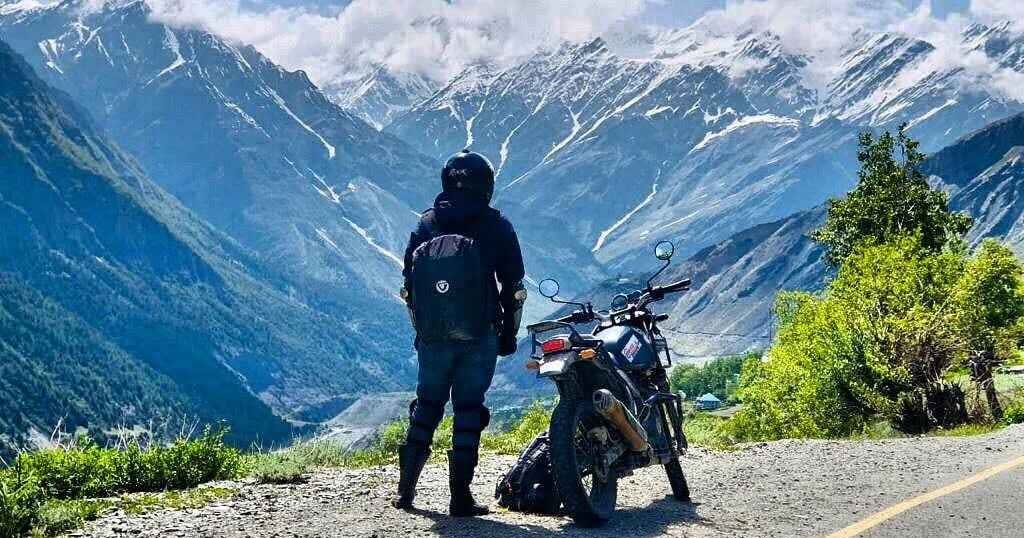
The Manali to Leh bike trip is one of the most thrilling and scenic road trips in India. Covering around 480 km, this journey takes you through snow-capped mountains, high-altitude passes, and breathtaking valleys. For adventure seekers, this trip is more than just a ride—it’s a test of endurance, spirit, and passion for the Himalayas.
From navigating treacherous roads to experiencing the raw beauty of Ladakh’s barren landscapes, every moment on this journey is unforgettable. If you have ever dreamt of riding through the Land of High Passes, this guide will help you plan the perfect trip.
Why Take the Manali to Leh Bike Trip?
This legendary road trip offers:
Scenic landscapes – Snowy peaks, vast plains, and pristine rivers.
Adventure and thrill – Ride through some of the world’s highest motorable passes.
Rich cultural experiences – Explore ancient monasteries and Ladakhi villages.
A test of endurance – Challenging terrain and unpredictable weather make it a bucket-list-worthy ride.
Best Time for the Trip
The best time for a Manali to Leh bike trip is:
June to September: The roads are open, and the weather is pleasant.
July to August: Ideal for those wanting to witness Ladakh’s festivals.
Avoid traveling during winters and early spring as the roads remain closed due to heavy snowfall.
Route & Major Attractions
There are two primary routes for the trip:
Route 1: Manali – Leh Highway (Classic Route)
Distance: ~480 kmDuration: 2-3 daysKey Stops:
Manali – The starting point, known for its scenic beauty.
Rohtang Pass (13,058 ft) – The first high-altitude pass.
Keylong – A small town and a good rest stop.
Baralacha La (16,040 ft) – One of the toughest passes.
Sarchu – A popular overnight stop.
Tanglang La (17,582 ft) – The second-highest pass on this route.
Leh – The final destination, full of monasteries and adventure.
Route 2: Manali – Leh via Tso Moriri (Scenic Route)
Distance: ~550 kmDuration: 3-4 daysKey Stops:
Tso Kar & Tso Moriri – Stunning high-altitude lakes.
Chumathang – Known for its hot water springs.
Upshi – A gateway to Leh.
Essential Preparation & Packing Tips
A high-altitude ride like this requires proper planning. Here’s what you need:
Bike Selection:
Royal Enfield Himalayan / Classic 350 – Ideal for Ladakh terrain.
KTM Duke / Bajaj Dominar – Lightweight and powerful options.
Essential Gear:
Riding jacket, gloves, and knee guards for protection.
Waterproof riding boots to tackle river crossings.
Thermal wear for cold nights.
Helmet with visor to shield against dust and wind.
Must-Carry Items:
Essential bike spares (extra clutch cables, tubes, puncture kit, engine oil).
First-aid kit & altitude sickness medicine.
Power bank & extra fuel cans for remote stretches.
Permits for restricted areas like Pangong Tso and Nubra Valley.
Safety & Travel Tips
Acclimatize properly – Spend a day in Manali before the trip.
Ride slow and steady – Oxygen levels drop at high altitudes.
Stay hydrated – Helps prevent altitude sickness.
Follow weather updates – Mountain weather is unpredictable.
Respect local culture – Monasteries and villages have traditional customs.
Conclusion
The Manali to Leh bike trip is more than just a ride—it’s an experience of a lifetime. From conquering dangerous passes to witnessing breathtaking landscapes, this journey challenges you and rewards you in equal measure. Whether you’re a solo rider or traveling with a group, this Himalayan adventure is something you’ll cherish forever. So, gear up, hit the road, and let the mountains call you!
FAQs
1. What is the total cost of the Manali to Leh bike trip?The cost varies but typically ranges between ₹20,000 - ₹30,000, including bike rental, fuel, stay, and food.
2. Can beginners attempt this trip?Yes, but prior biking experience and basic knowledge of bike maintenance are recommended.
3. Do I need a permit for this trip?Yes, Inner Line Permits (ILP) are required for certain areas like Nubra Valley and Pangong Lake.
4. Is fuel available on the way?Petrol pumps are scarce. The last reliable fuel stop is in Tandi, so carry extra fuel.
5. What are the major risks of this trip?Altitude sickness, extreme weather, and rough terrain are the primary challenges. Proper acclimatization and preparation are key.
About the Creator
Rohit SEN
Hey! Come along with me to explore beautiful places, learn about different cultures, and share my adventures. Let's Explore together! From a travel lover!
Getting Around Turkey (Turkiye) by Air and Bus
In an earlier article, I wrote about a nice little hack of getting to and leaving from Turkey by way of connecting flights in Warsaw - an absolute delight. Now, I am going to give you the skinny on traveling by air internally in Turkiye (Turkey) via AJet and Pegasus Airlines, Istanbul's two major airports (SAW and IST), plus a few tips on traveling between cities by bus all based on a trip we took in September 2024.
By Richard Soulliereabout 13 hours ago in Wander
Pokhara Adventure Activities for 2026
Pokhara Adventure Activities for 2026 Pokhara is Nepal's best place for adventure activities. It sits next to Phewa Lake with beautiful views of the Annapurna mountains. This makes it perfect for exciting things in the sky and on the ground. The popular activities include Paragliding, Bungee Jumping, Ultralight flight and Atv adventure. All these are safe, fun, and not too expensive. This article covers details about every activity including prices, places, how long they take, safety rules, and how to mix them for a great trip.
By Pranjal Pandey3 days ago in Wander


Comments
There are no comments for this story
Be the first to respond and start the conversation.