
Manali to Leh Bike Trip: A Himalayan Road Adventure That Changes You Forever
The Manali to Leh bike trip isn’t just a route—it’s a rite of passage. Stretching across high-altitude deserts, glacial rivers, and hairpin bends, this is a dream etched into every rider’s soul.
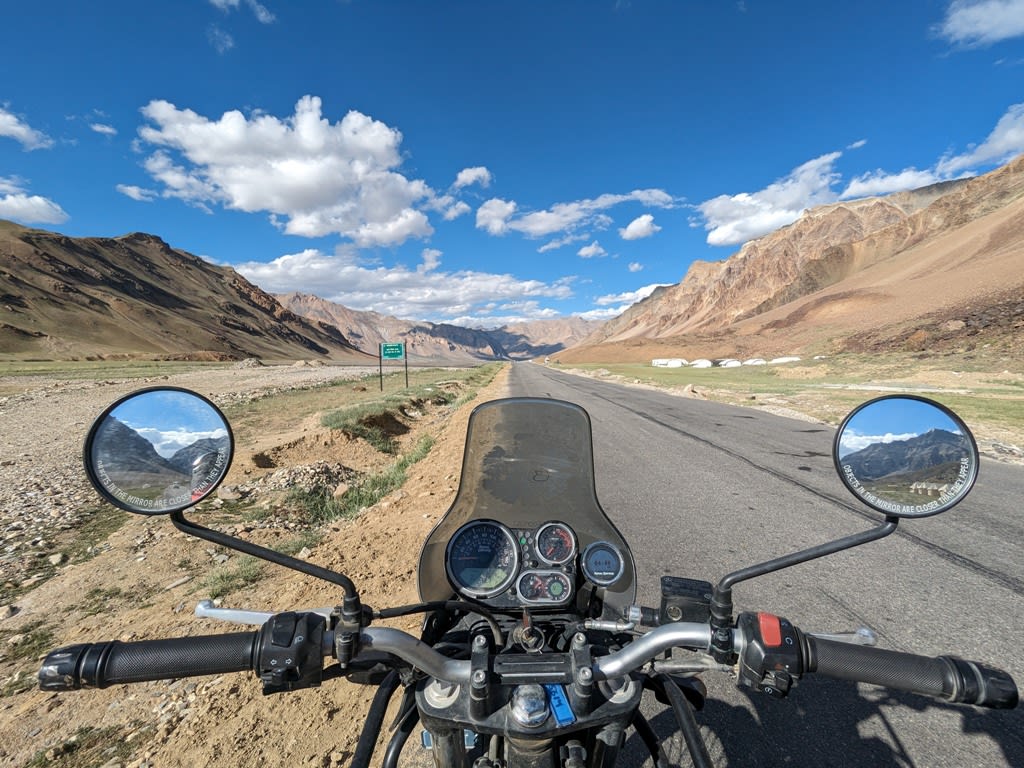
There are trips you plan, and then there are journeys that plan you. The Manali to Leh bike trip isn’t just a route—it’s a rite of passage. Stretching across high-altitude deserts, glacial rivers, and hairpin bends, this is a dream etched into every rider’s soul. From the thunder of your bike’s engine to the silence of Ladakh’s mountains, every moment on this road is a memory waiting to be born.
Starting from Manali: Excitement, Nervous Laughter & That First Mountain Chill
The air in Manali was buzzing with energy the morning we set out. Riders from all over the country were prepping their Royal Enfields and Dominar 400s, their tanks full and hearts fuller. There’s something magical about seeing a convoy of bikes roll out of this Himalayan town, the green valleys echoing with the sound of adventure.
As we rode past apple orchards and little wooden cafes, the real challenge began at Rohtang Pass (3,978 m). Known for unpredictable weather and slippery roads, Rohtang tested our nerves early on. Fog, slush, and narrow paths made every kilometer a battle. But the reward? Standing above the clouds with a view of snow-clad peaks that left us breathless—literally and emotionally.
This first leg taught us that the Manali to Leh road trip was not going to be easy—but that’s exactly what made it beautiful.
Into the Heart of the Mountains: From Keylong to Sarchu via Surreal Landscapes
After Rohtang, the descent led us to Keylong, where the terrain changed from lush greens to barren browns. The cold got sharper, but the spirit of the ride only intensified. We filled our tanks, grabbed steaming plates of Maggi, and hit the road again.
Then came Jispa—a charming little hamlet nestled beside the Bhaga River. It was here that we first felt the magic of Ladakh. No honks, no streetlights—just rivers whispering and mountains watching.
By the time we reached Sarchu, we had crossed Baralacha La (4,890 m)—one of the most dangerous and scenic passes on the journey. We pitched tents under a sky bursting with stars. That night, wrapped in three layers of thermals, I realized something: in the middle of nowhere, I had never felt more alive.
High-Altitude Drama: Gata Loops, Nakee La & the Bone-Dry Beauty of the Himalayas
The next stretch tested both man and machine. Gata Loops—21 sharp hairpin bends at dizzying heights—challenged every ounce of our focus. Add in the thin air, and every breath felt earned. Just when we thought we’d made it, Nakee La and Lachulung La appeared, both towering above 4,700 meters.
The landscape turned lunar. No trees. No signs of life. Just rocks, wind, and open skies. It was harsh, yes—but also hypnotic.
We’d stop at roadside dhabas for lemon tea and boiled eggs, sharing stories with fellow riders from Spain, Israel, and across India. Despite different languages, we all spoke the same one—the language of the road.
By evening, we reached Pang, a desolate campsite on the banks of a dried-up riverbed. It was here that altitude sickness hit some of us hard. Headaches, nausea, and fatigue reminded us just how fragile we were in the face of these mountains.
But nobody gave up. We helped each other, encouraged each other, and rode on.
The Final Stretch: Moore Plains, Tanglang La & That First View of Leh
After Pang came one of the most surreal places I’ve ever ridden through—Moore Plains. Imagine a road cutting straight through a massive plateau, surrounded by golden hills and endless silence. It felt like we were flying, not riding.
Then came Tanglang La (5,328 m)—the second-highest motorable pass in the world. Freezing winds slapped our faces, but the pride of standing on that pass was unmatched. We took photos with trembling hands, prayed quietly to the mountains, and rolled on.
And then… Leh.
That first glimpse of the white-domed stupas, winding roads, and green patches in a sea of brown—it was emotional. After five days of grit, sweat, and sheer willpower, we had made it.
I remember riding into town, dusty and exhausted, but with the widest smile I’ve ever had.
Everything You Need to Know to Plan Your Manali to Leh Bike Trip
Thinking of taking on this epic journey? Here’s your roadmap:
Distance: ~470 km
Duration: 5–7 days (depending on stops and acclimatization)
Best Time to Visit: June to mid-September
Bike Options: Royal Enfield (Classic or Himalayan), Bajaj Dominar, KTM Adventure
Route Highlights: Manali → Rohtang Pass → Keylong → Jispa → Baralacha La → Sarchu → Gata Loops → Nakee La → Pang → Moore Plains → Tanglang La → Leh
Permits Required:
Rohtang Pass permit (check local restrictions)
Inner line permits for visiting Pangong or Nubra
Essential Gear:
Riding jacket, gloves, and thermal layers
Helmet with clear visor (anti-fog)
Puncture repair kit, extra fuel cans, engine oil
Portable oxygen cylinder (for emergencies)
Dry fruits, ORS, first-aid kit
Tips:
Acclimatize in Manali for a day before starting
Stay hydrated and avoid alcohol
Always keep fuel above 50%, especially after Tandi (last petrol pump before Leh)
Final Words: A Journey That Stays in Your Soul Long After the Ride Ends
The Manali to Leh bike trip isn’t just about conquering passes or surviving harsh conditions. It’s about discovering your limits—and then shattering them. It’s about the brotherhood of bikers, the kindness of strangers, and the quiet conversations with mountains.
Every bend on this road has a story. Every campsite has a lesson. And every rider who returns has a changed heart.
So if the Himalayas are calling you, don’t hesitate. Answer with a rev of the throttle, a helmet full of dreams, and a soul ready to be moved.
About the Creator
Rohit SEN
Hey! Come along with me to explore beautiful places, learn about different cultures, and share my adventures. Let's Explore together! From a travel lover!
Miss Persephone's Manual to a Seemingly Ordinary Life
Miss Persephone was found at the dining table, her blue eyes swollen, her tears arriving and retreating like the tides of the ocean. Earlier that day, her family had visited her in the retirement home where she had lived for eight years. It was her eightieth birthday.
By Imola Tóth3 days ago in Fiction


Comments
There are no comments for this story
Be the first to respond and start the conversation.