
Madeira: The Island That Teaches You How to Slow Down
Between ocean cliffs and quiet villages, life on Madère unfolds at its own rhythm

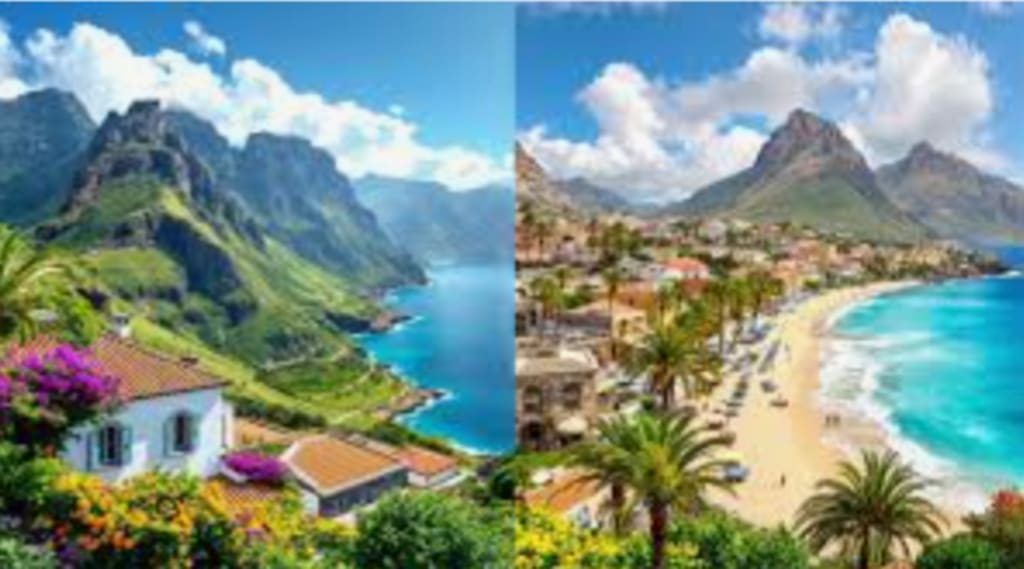
Madeira doesn’t rush to impress you. It doesn’t need to. From the moment you arrive, the island seems to operate on a different frequency — one that values patience, presence, and the quiet beauty of things that take time to grow. Known as the “Island of Eternal Spring,” Madère is more than a destination; it is an experience in slowing down.
Floating in the Atlantic Ocean, off the northwest coast of Africa and belonging to Portugal, Madeira feels both remote and deeply connected. The sea surrounds it like a constant reminder that boundaries exist, yet within those boundaries lies an astonishing diversity of landscapes, cultures, and stories.
A Landscape Shaped by Fire and Water
Madeira’s dramatic beauty is no accident. Born from volcanic activity, the island rises sharply from the ocean, its cliffs plunging into deep blue water and its mountains wrapped in mist. This rugged terrain has shaped everything — from how people build their homes to how they move through their days.
Terraced hillsides are one of Madeira’s most iconic features. Carved by hand over generations, these stone-supported steps allow crops to grow where flat land barely exists. Bananas, sugarcane, and vineyards thrive here, nurtured by rich soil and an ingenious irrigation system known as levadas — narrow channels that carry water from the wet north to the drier south.
Today, these levadas double as walking paths, inviting locals and visitors alike to wander through forests, valleys, and small villages. Walking them feels less like exercise and more like meditation — a reminder that progress doesn’t always mean speed.
The Soul of Funchal and the Quiet Beyond
Funchal, Madeira’s capital, is often the first introduction to island life. Colorful buildings climb the hills, markets buzz with conversation, and cafés spill onto sidewalks where time seems optional. It is lively without being overwhelming, polished without losing warmth.
Yet Madeira truly reveals itself beyond the city. In small villages scattered across the island, daily life remains refreshingly simple. Neighbors greet each other by name. Laundry dries in the open air. Church bells still mark time more reliably than phones.
In places like Santana, Câmara de Lobos, or Porto Moniz, traditions aren’t preserved for tourists — they’re lived. Fishing boats return at dawn, bread is baked locally, and stories are passed down not through books but through repetition.
A Culture Rooted in Resilience
Life on an island has always required resilience, and Madeirans carry that strength quietly. Historically isolated and dependent on the land and sea, the people of Madeira learned early how to adapt, cooperate, and endure. This history of self-reliance still shapes the culture today.
Hospitality here feels genuine, not performative. Conversations are unhurried. Meals are shared generously. Food itself reflects the island’s character — simple, flavorful, and deeply tied to place. Dishes like espetada (grilled beef on bay laurel skewers), bolo do caco (garlic bread), and fresh seafood speak to a cuisine that honors tradition without excess.
And then there is Madeira wine — fortified, complex, and famously long-lasting. Much like the island itself, it improves with time.
Nature as a Way of Life
Nature in Madeira is not something you visit; it is something you live with. From laurel forests recognized as UNESCO World Heritage sites to black-sand beaches shaped by volcanic rock, the island constantly reminds you of its origins.
Weather changes quickly here. Clouds roll in and out, sunlight breaks through unexpectedly, and rain can nourish one valley while leaving another untouched. This unpredictability teaches acceptance. Plans are flexible. Expectations are adjusted. Life continues.
For many, this close relationship with nature is transformative. Madeira doesn’t ask you to conquer it — it asks you to respect it.
A Place That Stays With You
People often come to Madeira for its views, its hikes, or its climate. What they leave with is harder to explain. There is something about the island’s pace, its balance between effort and ease, that lingers long after departure.
Madeira doesn’t promise escape from reality. Instead, it offers a gentler version of it — one where mornings are slower, connections are deeper, and the measure of a good day isn’t productivity but presence.
In a world increasingly obsessed with more, faster, and louder, Madère quietly reminds you that enough is already plenty.
And once you’ve learned that lesson, it’s hard to forget.
About the Creator
Sajida Sikandar
Hi, I’m Sajida Sikandar, a passionate blogger with 3 years of experience in crafting engaging and insightful content. Join me as I share my thoughts, stories, and ideas on a variety of topics that matter to you.
Keep reading
More stories from Sajida Sikandar and writers in Wander and other communities.
Springwater Township: Where Quiet Roads Tell Deep Stories
Springwater Township doesn’t announce itself loudly. There’s no skyline, no constant hum of traffic, no sense that you’ve arrived somewhere in a hurry. Instead, it unfolds slowly — through winding country roads, stretches of forest, and small communities that feel more like shared memories than mapped destinations. For those who live here or take the time to explore it, Springwater Township offers something increasingly rare: space to breathe, reflect, and belong.
By Sajida Sikandar2 months ago in Wander
Worth the Wait: Puerto Viejo, Costa Rica
Beach bumming in a small Caribbean beach town sounded like a perfect way to end our 6-month trip through Mexico and Central America. Or so we thought. The foul, fishy stench of rotten seaweed hit our nostrils as we stepped from the cramped bus and looked out at a rather depressing, empty, and underwhelming black sand beach. It was pouring with rain, and we had to quickly fish out our ponchos. We thought, this couldn’t be it, could it?
By Sh*t Happens - Lost Girl Travel8 days ago in Wander
Danish Royals Frederik and Mary Begin Six-Day Australia Tour with Visit to Rain-Soaked Red Centre
Denmark’s Crown Prince Frederik, Crown Prince of Denmark and Crown Princess Mary, Crown Princess of Denmark have commenced a six-day official tour of Australia, beginning with a visit to the country’s iconic red centre amid unusually heavy rains that have transformed the arid landscape into lush, vibrant scenery. The trip marks an important cultural and diplomatic engagement for the Danish royals, emphasizing Indigenous heritage, environmental awareness, and strengthened bilateral relations. The tour opened in Alice Springs, a central hub in the Northern Territory, where the royals were greeted by local officials, Indigenous elders, and members of the Danish-Australian community. Despite the rain-soaked conditions, the Crown Prince and Princess embraced the opportunity to explore the region’s unique landscape and connect with its people. During their first day, Frederik and Mary visited the Alice Springs Desert Park, where they were briefed on conservation efforts and the impact of climate variability on local ecosystems. Staff highlighted the role of the park in preserving native flora and fauna, as well as cultural programs that educate visitors on the traditions and stories of the local Indigenous communities. The royals also attended a traditional welcome ceremony organized by Arrernte elders, one of the region’s prominent Indigenous groups. The ceremony included storytelling, song, and dance, giving Frederik and Mary insight into the rich heritage of the area. Crown Princess Mary, who has previously championed Indigenous rights and social initiatives in Denmark, expressed admiration for the resilience and cultural depth of the communities they visited. Heavy rainfall had turned parts of the usually arid terrain green, providing a rare opportunity for the royals to witness the red centre in a markedly different light. The unexpected weather conditions also allowed discussions about water management, desertification, and the broader environmental challenges facing Australia, topics that align with Denmark’s own focus on climate action. “Visiting the red centre under such unusual conditions is both beautiful and informative,” Crown Prince Frederik said. “It reminds us how climate change can bring unexpected consequences to communities and ecosystems alike, and why collaboration on environmental issues is so crucial.” The itinerary also included meetings with local leaders and conservationists to explore sustainable development projects and partnerships between Danish and Australian institutions. Discussions covered renewable energy, water conservation, and Indigenous-led tourism initiatives that support both cultural preservation and economic development. Later in the day, the Danish royals participated in a community engagement event where they met students and educators from local schools. The interaction focused on education, cultural exchange, and youth empowerment, with the Crown Princess sharing stories about initiatives in Denmark that encourage young people to engage in social and environmental projects. In addition to environmental and cultural engagements, the tour is designed to strengthen diplomatic and trade relations between Denmark and Australia. Officials noted that Denmark and Australia have a history of cooperation in areas such as renewable energy, technology, and research, and the royal visit provides a high-profile platform to promote continued collaboration. Despite the challenging weather, the Crown Prince and Princess maintained a full schedule, demonstrating their commitment to the visit and their interest in understanding Australia’s regional issues. The Northern Territory government welcomed the attention brought by the royal visit, emphasizing the importance of showcasing both urban and remote communities to international visitors. The six-day tour will take the Danish royals to multiple states, including New South Wales, Queensland, and Victoria, where engagements will span environmental programs, Indigenous cultural projects, and Danish-Australian trade initiatives. Each stop is intended to highlight the diverse landscapes, cultures, and industries that define Australia today. Observers say that the Danish royals’ focus on cultural respect, environmental awareness, and education demonstrates the soft diplomacy Denmark is known for, using high-profile visits to foster goodwill and mutual understanding. As the Crown Prince and Princess continue their tour, they are expected to meet with government officials, business leaders, and community representatives to further strengthen ties between the two countries. Their visit underscores the enduring importance of royal diplomacy in promoting cultural exchange, environmental awareness, and international cooperation. The red centre visit, despite being rain-soaked, has already set a meaningful tone for the tour, reflecting a blend of respect for Indigenous traditions, engagement with pressing environmental issues, and commitment to deepening bilateral relations. As Frederik and Mary continue their journey across Australia, attention will remain on how these engagements contribute to long-term collaboration and cultural understanding.
By Fiaz Ahmed about an hour ago in Wander




Comments
There are no comments for this story
Be the first to respond and start the conversation.