
Lobuche Peak Climbing Preparation Guide
Physical Fitness | Technical Preparation | Acclimatization Strategy | Permits and Paperwork | Choosing the Right Season
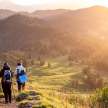

Nestled deep in Nepal’s Everest region, Lobuche Peak stands tall at 6,119 meters (20,075 feet), offering one of the best panoramic views of Everest, Lhotse, and Ama Dablam. While often overshadowed by Island Peak or Mera Peak, Lobuche offers a thrilling experience for climbers seeking both a technical challenge and a classic Himalayan adventure. But before you set off on this bucket-list expedition, solid preparation is essential.
Do You Need Mountaineering Experience for Lobuche Peak?
Lobuche East is considered a trekking peak, but don’t let the term mislead you. This climb involves technical sections, including steep snow slopes, the use of fixed ropes, crampons, and sometimes crevasse crossings. While it’s not as difficult as some of the major 7000-meter peaks, it still requires a basic level of mountaineering skills. Prior experience in high-altitude trekking or climbing, particularly using ice axes and ropes, can make a big difference. Many trekking agencies offer a short technical training session at base camp, but it’s always better to arrive with some prior knowledge.
Physical Fitness
Climbing Lobuche peak is as much a test of endurance as it is a mountaineering challenge. Your body will need to handle long days of trekking, steep ascents, cold temperatures, and reduced oxygen levels. Preparing your body in advance with regular cardio, hiking practice, leg strengthening, and core workouts will make your climb far more enjoyable and safer. Training with a loaded backpack on uphill terrain simulates real conditions and helps build the strength you’ll need during the summit push.
Technical Preparation
While you don’t need to be a professional climber, being comfortable with basic climbing gear is key. If you’ve never worn crampons, used an ice axe, or clipped into a fixed rope before, consider taking a short mountaineering course before the trip. Practicing glacier travel and rope techniques in advance builds confidence and reduces risks. Familiarity with using a harness and Jumar (ascender) will also come in handy, especially during the steep summit climb.
Acclimatization Strategy
Altitude sickness is the biggest hurdle for most climbers in the Himalayas. Proper acclimatization is essential, not optional. Most Lobuche Peak itineraries are designed to allow gradual altitude gain with rest days at key locations like Namche Bazaar and Dingboche. Some even include a side trip to Everest Base Camp to enhance acclimatization. Make sure to drink plenty of water, avoid alcohol, and never ignore symptoms of AMS (Acute Mountain Sickness). Your best chance at the summit lies in listening to your body and going slow.
Permits and Paperwork
Before setting foot on the trail, climbers must secure the required permits. These include the Lobuche Peak climbing permit (issued by the Nepal Mountaineering Association), the Sagarmatha National Park Entry Permit, and the Khumbu Pasang Lhamu Rural Municipality Permit.
If you book your expedition through a trekking company (highly recommended), they will typically handle all the paperwork for you. Independent climbers should be extra careful with the timing and locations of permit offices, especially in Kathmandu.
Essential Gear and Packing List for Lobuche Peak
From base layers to climbing harnesses, the gear you pack can make or break your expedition. Must-have items include insulated down jackets, waterproof shells, thermal underwear, mountaineering boots (B2 or B3 rated), crampons, an ice axe, a helmet, a harness, and a headlamp with extra batteries. Don’t forget warm gloves, sunglasses, sunblock, and a good-quality sleeping bag rated for sub-zero temperatures.
Trekking poles, water purification tablets, and energy snacks are also invaluable on the trail. It’s always wise to double-check your gear with your guide or outfitter before departing from Kathmandu or Lukla.
Choosing the Right Season
The best seasons to climb Lobuche Peak are pre-monsoon (spring) from March to May and post-monsoon (autumn) from September to November. During these periods, the weather is generally stable with clear skies, moderate temperatures, and better visibility of the surrounding peaks. Spring offers the chance to see blooming rhododendrons and more climbers en route to Everest, while autumn provides crisp air and stunning mountain views. Avoid the monsoon (June–August) due to heavy rainfall and winter (December–February) when extreme cold and snow can make climbing treacherous.
How Long Does the Lobuche Peak Climb Take?
Most expeditions take around 15 to 18 days, including trekking days, rest days, and contingency time. The itinerary usually follows the classic Everest Base Camp trail up to Lobuche village, then branches off toward Lobuche Base Camp and High Camp. The summit day starts early often around midnight to ensure you reach the summit and descend safely before the afternoon weather changes. It’s a long and physically demanding day, but the sunrise views over the Himalayas from the top make it all worthwhile.
Do You Need a Guide for Lobuche Peak?
Hiring a licensed guide and porter is highly recommended for both safety and support. The trail to base camp may be well-trodden, but the climbing section involves fixed ropes, crevasses, and route finding, which require local expertise.
A qualified guide will help you navigate the terrain, manage risks, and provide encouragement when things get tough. Porters ease the load so you can conserve energy for summit day. Additionally, going with a guide means you’ll be contributing to the local economy and trekking sustainably.
Conclusion
Climbing Lobuche Peak is not just a physical challenge; it’s a journey of determination, discipline, and discovery. The path to the summit takes you through Sherpa villages, across glacial valleys, and into the thin air of the high Himalayas. But the real reward lies not just in reaching the top, but in the effort, growth, and connection you experience along the way.
With the right preparation both physically and mentally you’ll stand atop Lobuche Peak and gaze out at Everest and the giants of the world, knowing that every step was worth it. So train hard, plan smart, and take the leap. The Himalayas are calling.
About the Creator
Maik Tyson
Hey everyone, It's me, Maik Tyson. Aw aw not the UFC fighter but the storyteller who would write stories for you to fight with your inner enemies and enjoy my stories. Visit me: https://www.adventurevisiontreks.com/trip/manaslu-circuit-trek
Keep reading
More stories from Maik Tyson and writers in Wander and other communities.
Worth the Wait: Puerto Viejo, Costa Rica
Beach bumming in a small Caribbean beach town sounded like a perfect way to end our 6-month trip through Mexico and Central America. Or so we thought. The foul, fishy stench of rotten seaweed hit our nostrils as we stepped from the cramped bus and looked out at a rather depressing, empty, and underwhelming black sand beach. It was pouring with rain, and we had to quickly fish out our ponchos. We thought, this couldn’t be it, could it?
By Sh*t Happens - Lost Girl Travel3 days ago in Wander
Lost in Translation: How Getting It Wrong in Asia Taught Me How to Travel Right
My first morning in Hanoi started with a sensory assault. I was sitting on a tiny blue plastic stool, knees touching my chin, watching a woman whisk an egg yolk into a cup of robusta coffee. The air smelled of charcoal smoke, cilantro, and exhaust fumes. It was chaotic, loud, and utterly mesmerizing.
By Eleni N. Markouabout 8 hours ago in Wander




Comments
There are no comments for this story
Be the first to respond and start the conversation.