
Lifehack how to save 1,000,000 Vietnamese Dong per month in Vietnam
In Vietnam, prices for many goods and services are already lower than in Russia, but it is always nice to save even more without sacrificing comfort. After all, who doesn't love bargain finds and smart decisions? Here are a few lifehacks that will help you live here even more economically and still enjoy every day!

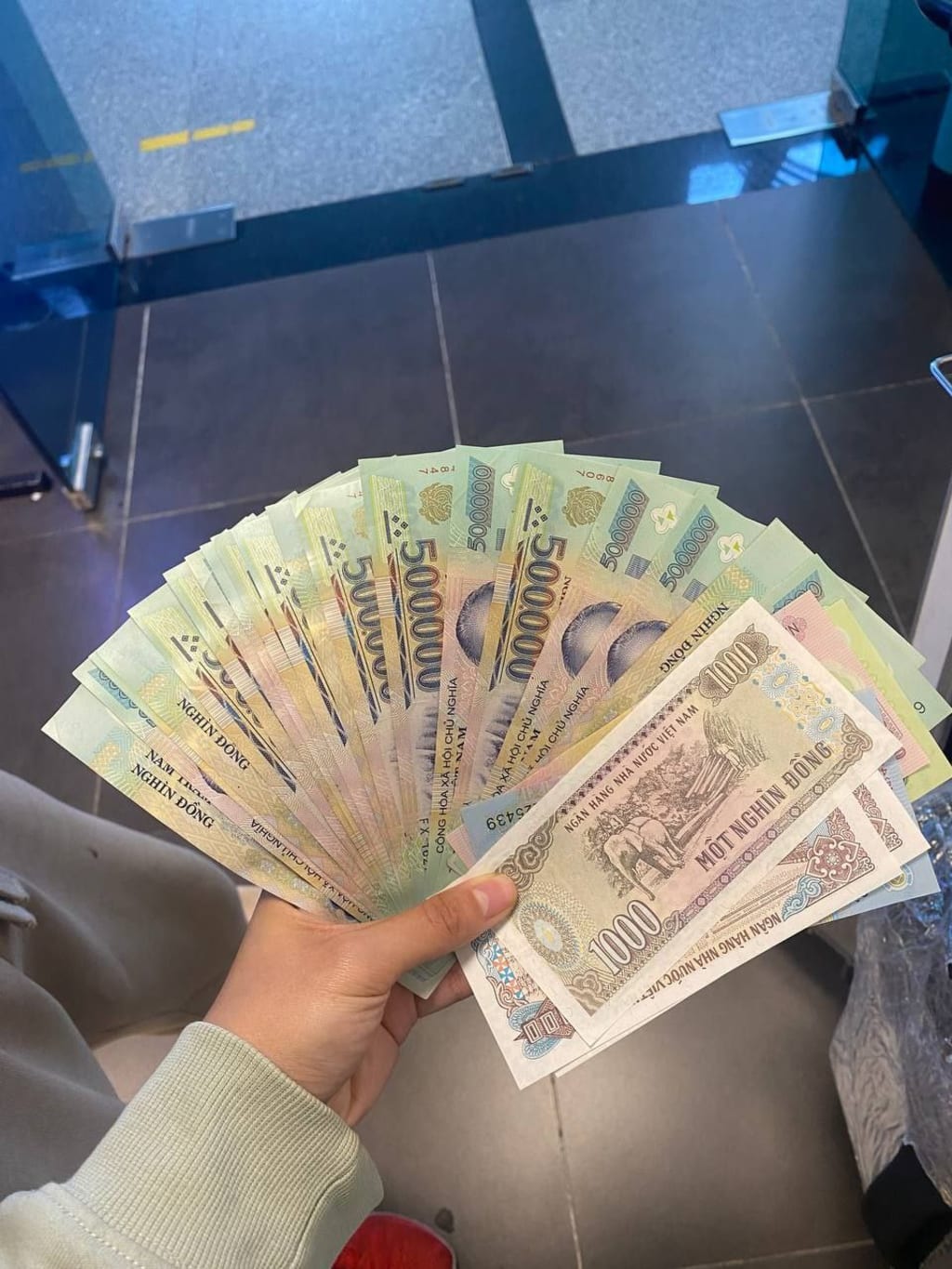
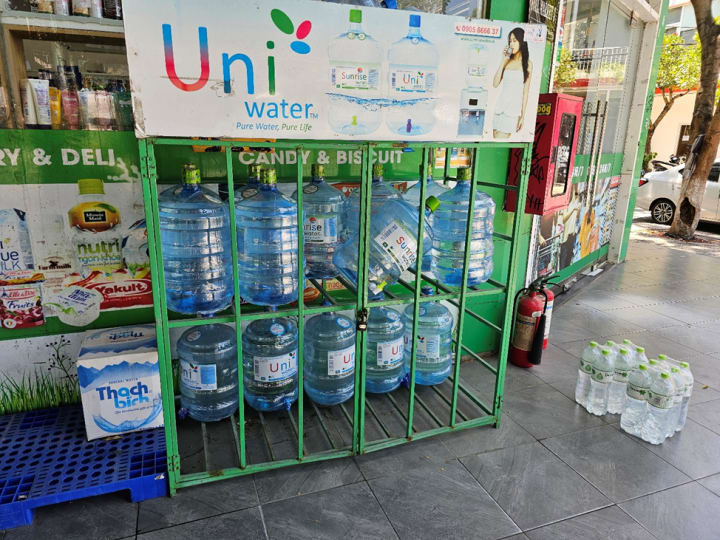
Buying large water bottles
As I said before, in Vietnam it is best to avoid drinking tap water - it is not very clean, and many visitors quickly switch to purchased water. Most often buy small bottles: 0.5 liters for 5000 dong or 5 liters for 15000 dong. But if you want to save money and not run every day for new water, you should pay attention to 20-liter bottles.
The scheme here is simple: you buy a bottle for the first time for 25-45 thousand dong, on average it comes out to about 35 thousand dong, and leave a deposit of 35 thousand dong. When the water runs out, you bring the empty bottle to the store and exchange it for a new one, paying only 35 thousand dong. If you decide that you don't need such bottles anymore, just hand over the empty one and you get your deposit back. Convenient and profitable, especially if you plan to stay here for a while!
This is usually enough water for about a week for two people. If you were to buy 4 five-liter bottles at 15,000 VND each, it would cost you 60,000 VND - 25,000 more than the cost of water in a 20-liter bottle. The savings are obvious!
One-time purchase of a cell phone package
When you arrive in Vietnam, you will definitely need a local SIM card to register in various applications, to communicate with your landlord, and simply to have mobile internet. Unlike in Russia, there are no “unlimited tariffs” for a month here. Instead, you buy a fixed number of GB of internet and minutes for calls every day. Usually tourists opt for 3-5 GB per day, but if you need to always be connected, you can take more.
The lifehack is that you can pay the minimum tariff once, say 3 GB, and never renew it again. The minus is that you will not have mobile internet and calls. But during your stay, you will have time to connect to a lot of Wi-Fi networks in the neighborhood.
I, for example, was connected to Wi-Fi at 5 bakeries, 10 coffee shops, and about 7 cafes. As I walked by, I always had access to the internet.
Buying 3 GB per day will cost about 100,000 VND, depending on the operator. That's the same amount you can spend on a nice breakfast at a cafe, two cups of salty coffee or 12 coconuts.
Buying food at the market
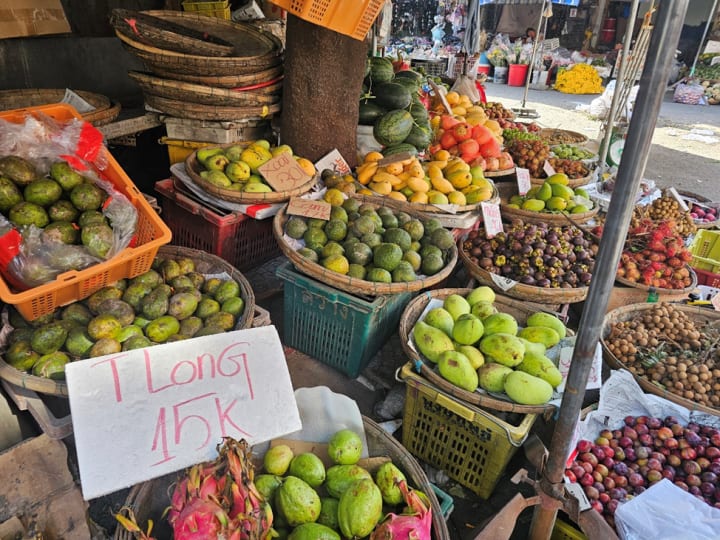
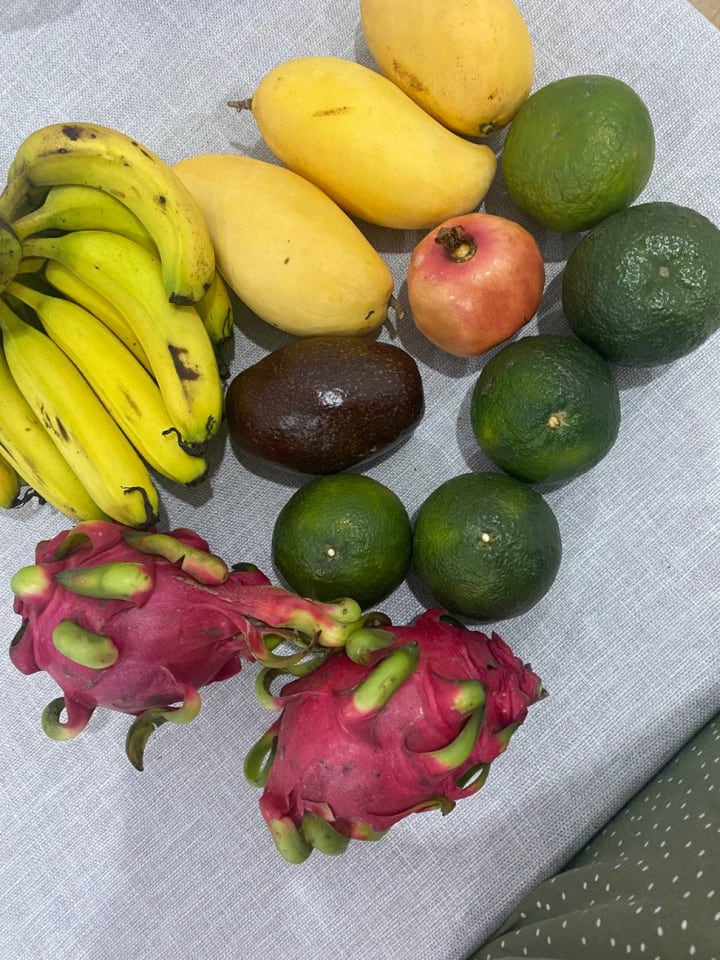
Yes, it may seem trivial and applicable to any country, but in Vietnam it is especially relevant. Shopping for fruits and vegetables at markets is a great way to save money and enjoy fresh produce. At the market, you have the opportunity to walk around and choose where you like the produce best. I, for example, found for myself a woman who sells sweet and delicious mangoes at a great price. Now I only take fruit from her and I am satisfied every time.
In the market you can find not only fruits and vegetables, but also meat, fish and other products. However, I cannot vouch for the quality and freshness of these products. Often there are goods that are close to expiration date, so be careful when choosing. Especially fish and meat - it is better to look at them more carefully.
Food prices in the market vs. in the store:
- 🥭 Dragon fruit: store - 33,000 VND per kg, market - 15,000 VND per kg.
- 🍅 Tomatoes: store - 55,000 VND per kg, market - 25,000 VND per kg.
- 🥔 Potatoes: store - 40,000 VND per kg, market - 20,000 VND per kg.
- 🥑 Avocado: store - 35,000 VND per kg, market - 15,000 VND per kg.
Savings on utility bills
Almost everywhere in Vietnam, utility bills in apartments consist of a fixed rate for water and electricity charges at a rate of 3 to 4 thousand VND for each kilowatt consumed. For those who have just arrived in Vietnam and are not used to the local heat, there is a temptation to turn on the air conditioning and leave it running 24/7. But beware: with such consumption, it's easy to get a bill for 3,000,000 VND, which equals about 120 dollars. This can be an unpleasant surprise at the end of the month.
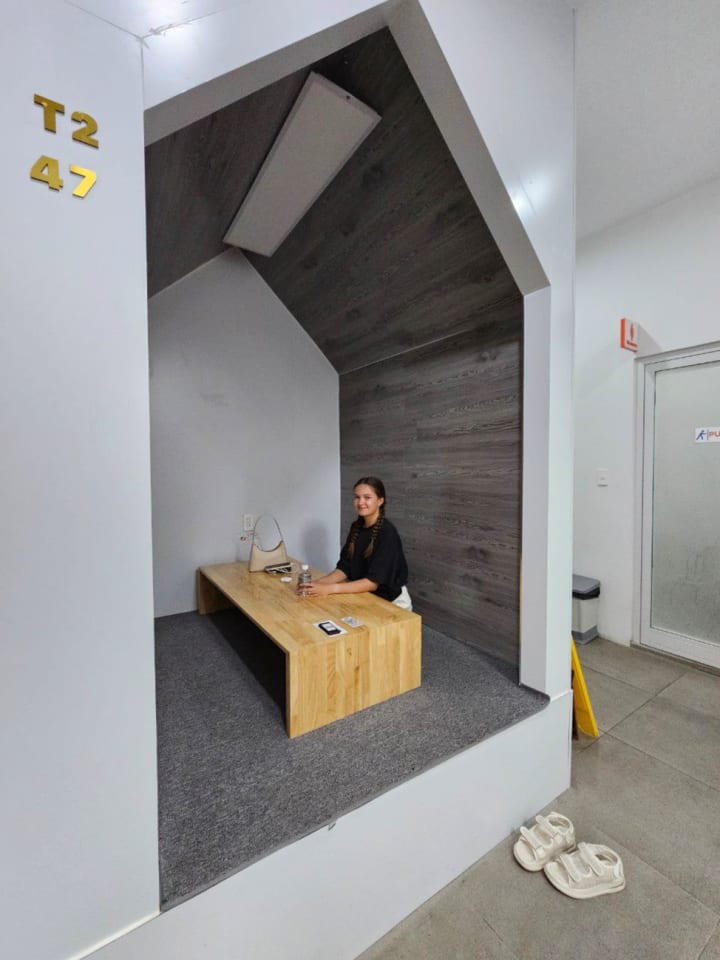
To save money on your electric bill, there is one tried-and-true flyhack: spend more time in coffee shops or cafes. It's so customary here that no one will kick you out even if you sit all day. In Vietnam, many people work or study in coffee shops, and some even sleep using a comfortable place to relax. It's the perfect opportunity to charge your devices - phone, laptop, charger, headphones - at no extra cost.
While you're enjoying the cool environment and working in a cozy coffee shop, your air conditioner at home is resting and your electric bill is significantly reduced.
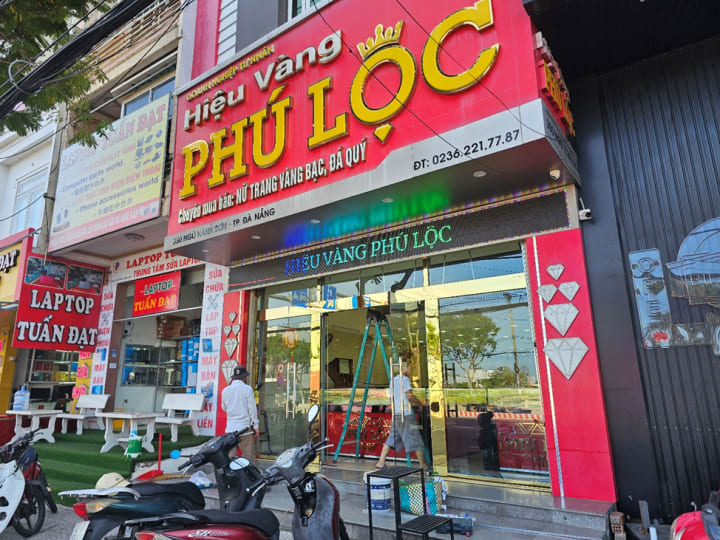
Currency exchange in large jewelry stores.
The easiest way to get local currency in Vietnam is through exchange offices. However, rubles are not accepted everywhere, and the most popular currencies for exchange remain dollars, euros, yuan and other Asian currencies. Therefore, I strongly recommend bringing dollars with you. This is the most universal currency, which will come in handy in almost any situation.
However, exchange rates in standard exchange offices are not always favorable, which makes you look for alternatives. One of such alternatives can be currency exchange in large jewelry stores. At first glance it may seem unusual, but such stores often offer more favorable exchange rates. Perhaps they exchange currency in order to do business “in the black” and bypass income tax returns. Whatever the reason, the fact remains that rates in jewelry stores can be much better than in official exchangers.
Utilize this lifehack and save from 50 to 150 thousand dong from every 100 dollars exchanged. In the long run, this can significantly reduce your currency exchange costs and allow you to save more money.
Ordering a bike cab
In order to get to their destination quickly and inexpensively, many locals in Vietnam prefer to use bike cabs. They are used to traveling on bikes, and ordering a car for short trips of 2-3 kilometers seems unnecessary to them. In addition, the cost of such a trip by bike is much lower, which makes this option even more attractive.
In the popular Grab app, for example, a 5-kilometer trip by car will cost 65,000 VND (about $2.6), while the same distance by bike costs only 30,000 VND (about $1.2).
If you want to save even more, try booking through the Maxim app. Here, a 5-kilometer ride by car will cost 42,000 VND (about $1.7), while a bike ride will cost 17,000 VND (just $0.7). A great way to save money and have an unforgettable experience riding Vietnamese bikes!
Buying coffee from home cafes
If you live in Vietnam and are not indifferent to coffee, you will definitely drink it here at least 1-2 times a week, or even more often. Vietnamese coffee is deservedly famous for its rich taste: it is strong, fragrant and moderately sweet. But in most cafes, the prices for popular drinks may surprise you: for example, for salty or coconut coffee you will pay 40,000 VND (about $1.6), and a regular coffee with milk will cost 25,000 VND ($1). But often at these places, you'll get more ice than coffee itself, and while the drink will be tasty, its small volume may not be fully satisfying. Ordering a second cup in a row is not the most economical solution.
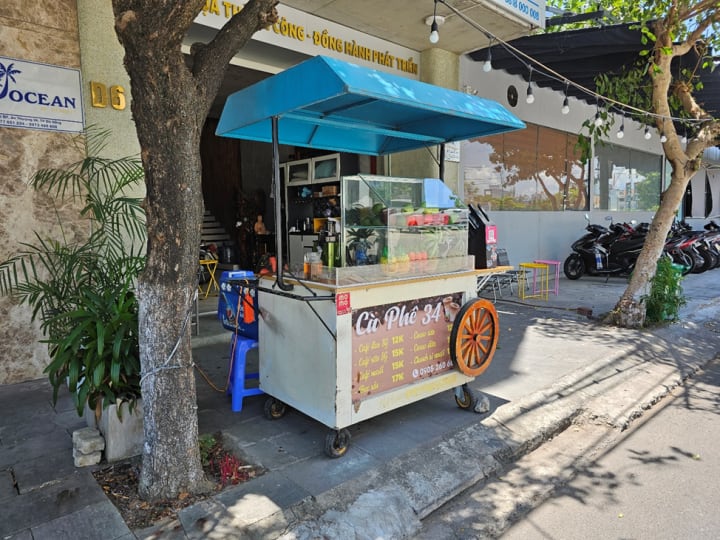
In this situation, I recommend paying attention to home coffee shops, which are often found in residential areas. Here coffee is brewed right at home, offering portions that are 50% larger than in regular cafes. At the same time, prices can be 30-50% lower. Going to such places, you will feel the warmth of home atmosphere, get a friendly smile from the locals, and sometimes kids will wave at you. And, most importantly, the coffee here is not inferior in taste to that served in famous cafes, but you will save money and have much more fun!
_______________________________________________
I would also appreciate your donation to me as the author if you feel it is necessary. See you soon
About the Creator
Sergio Sokolov
A guide to living in the heart of Asia! Secrets of local culture, life hacks, observations and tips from a seasoned expat. Join and discover Vietnam with me! 🚀✨
Keep reading
More stories from Sergio Sokolov and writers in Wander and other communities.
Da Nang Coffee Houses: Perfect Places to Work and Relax
Imagine: on the one hand, you have the warm sea, white sand beaches and a lot of water activities at your fingertips. On the other hand, there are modern coffee shops with fast internet, cozy co-working spaces and plenty of interesting activities. Da Nang is the perfect place where you can combine work and relaxation.
By Sergio Sokolov2 years ago in Wander
Worth the Wait: Puerto Viejo, Costa Rica
Beach bumming in a small Caribbean beach town sounded like a perfect way to end our 6-month trip through Mexico and Central America. Or so we thought. The foul, fishy stench of rotten seaweed hit our nostrils as we stepped from the cramped bus and looked out at a rather depressing, empty, and underwhelming black sand beach. It was pouring with rain, and we had to quickly fish out our ponchos. We thought, this couldn’t be it, could it?
By Sh*t Happens - Lost Girl Travel10 days ago in Wander




Comments
There are no comments for this story
Be the first to respond and start the conversation.