
Kedarkantha - Must Visit Trekking Destination in Uttarakhand
Explore the Kedarkantha Trek in Uttarakhand, an easyt to moderate trek with snow-covered trails, forest walks, frozen Juda Ka Talab, a thrilling summit climb, and an unforgettable sunrise. Discover preparation tips, gear checklist, difficulty level, the best time to visit, and many more.
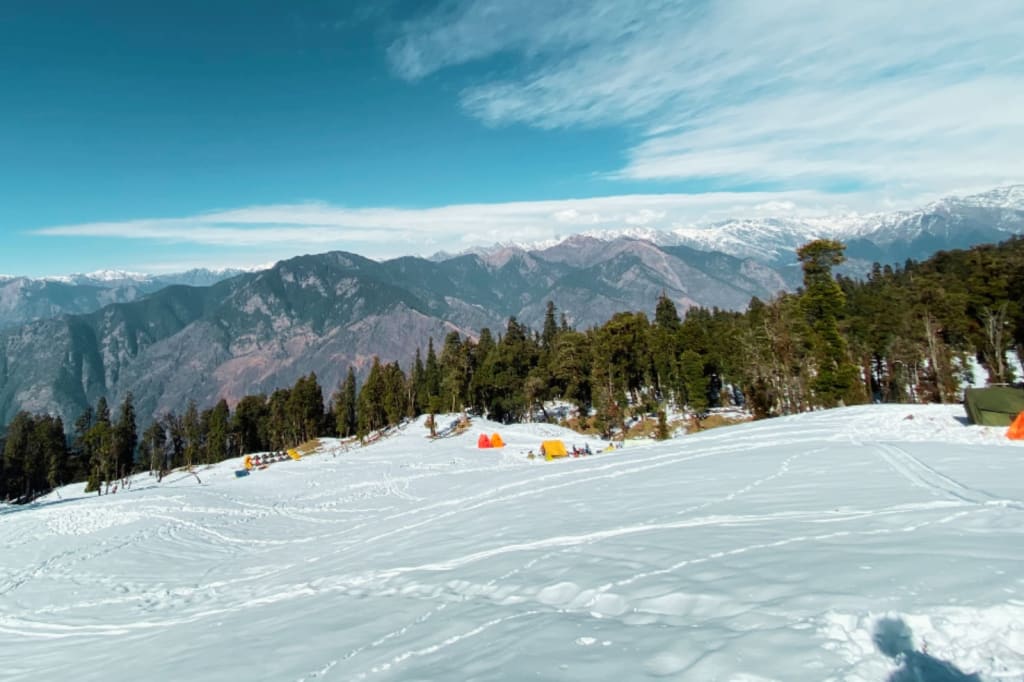
Kedarkantha is a stunning Himalayan peak in Uttarkashi, Uttarakhand, standing at 12,500 ft (3,810 m) within the Govind Wildlife Sanctuary. The peak offers a perfect blend of adventure, natural beauty, and the thrill of summiting a Himalayan peak.
It's an easy to moderate level trek, perfect for both beginners and experienced trekkers. The trek holds an important place among the most popular winter treks in Uttarakhand. Reaching a maximum altitude of about 12,500 ft (3,810 m), the Kedarkantha peak offers a complete view of the mighty Himalayas, including Mt. Swargarohini, Mt. Bandarpoonch, Black Peak, Ranglana Range, and Yamunotri Range. It truly feels like an achievement to reach the summit after the challenging final climb.
Covering a total distance of around 20 km, the route gradually ascends to the Kedarkantha base camp before continuing with a steep climb to the summit. The trail passes through dense forests of oak, rhododendron, and pine, along with the frozen lake of Juda Ka Talab, open meadows, untouched snowfields, and several clear mountain streams. This route is popular among trekkers for its scenic beauty and panoramic views, especially during the winter months from December to March.
Below are some of the best highlights of Kedarkantha Trek which make it must visit trekking destination
1. Sankri: A Perfect Himalayan Base
Sankri village, located inside the Govind Pashu Vihar National Park, is one of Uttarakhand’s most important trekking hubs and the starting point of popular trails like Kedarkantha, Har Ki Dun, and Bali Pass. It offers a true mountain atmosphere with its narrow market filled with trekking gear shops, local guides, and small food stalls, giving the feel of a real Himalayan expedition. During winter, Sankri transforms into a snowy village with clear views of Black Peak and Swargarohini, and this scenic setting is often considered one of the early highlights of the Kedarkantha journey.
2. Forest Walk Through Deodar and Pine
Once you leave Sankri, the trail moves into calm and refreshing forests of deodar, rhododendron, and pine, with the sound of a flowing stream and the cool winter air making the walk soothing. In winter, the forest turns magical as snow settles on branches, powdered snow falls with every step, and sunlight glows through icicles, creating a dreamlike scene. At times, light fog adds a soft, cinematic feel to the trail. The region is also home to deer and many Himalayan birds, giving trekkers a chance to spot wildlife and enjoy the journey even more.
3. Juda Ka Talab: A Signature Highlight
After a 4 km walk from Sankri, you reach Juda Ka Talab, the first campsite of the trek and one of its most loved spots. This beautiful lake sits quietly in the middle of a forest, creating a peaceful atmosphere after the initial climb. In peak winter, the lake freezes completely, and when temperatures drop enough for the surface to harden, trekkers can even walk on it. For many first-time trekkers, this frozen lake experience becomes a memorable highlight of the Kedarkantha journey.
4. A Thrilling Yet Manageable Summit Climb
The Kedarkantha trek is rated easy to moderate, with a gentle trail up to Kedarkantha Base Camp and a steeper, more exciting climb on summit day that feels thrilling without being too difficult. As you gain height, a long mountain ridge appears beside the trail, adding both beauty and adventure to the ascent. From the summit, you are rewarded with a full 360-degree Himalayan panorama, including Swargarohini, Bandarpoonch, Black Peak, the Yamunotri Range, and the Ranglana Range. For many beginners, this sweeping view feels like a true mountaineering achievement and becomes one of the biggest highlights of the Kedarkantha trek.
5. Night Trek to the Summit and the Iconic Sunrise
Trekkers begin the summit push around 2 to 3 AM, creating a magical night ascent where hundreds of head torches line up on the snow like a glowing trail — a rare and unforgettable sight. Most people consider the sunrise the best moment of the entire Kedarkantha trek, and reaching the summit between 6 and 7 AM rewards you with golden light spreading across the mountains. It’s the moment everyone waits for and the one that stays in your memory long after the trek ends.
6. A True Winter Wonderland
During winter, almost the entire Kedarkantha trail is blanketed in thick snow, turning forests silent, meadows white, and the summit into a pristine, untouched landscape. The snow also absorbs sound, creating a quiet and calm atmosphere that makes the trek a truly peaceful and beautiful winter experience.
How Difficult Is the Kedarkantha Trek?
Overall Difficulty: Easy to Moderate
Kedarkantha is ideal for beginners because:
- Trails are well-defined
- Daily distances are short
- Campsites are comfortably spaced
- The Only Challenging Part
The final summit push is steep but manageable with basic fitness.
Suitable For
- Beginners
- Families
- Fit children (above 9–10 years)
- First-time winter trekkers
Best Time to Do the Kedarkantha Trek
The best time for the Kedarkantha trek depends on the experience you want. December to January is the most popular, offering iconic snow-covered trails, a frozen Juda Ka Talab, and the unforgettable sunrise from the summit. February to March is perfect for those seeking snow with fewer crowds. October to November provides clear skies, crisp views, and a peaceful trek, though without heavy snow. The trek is closed during the monsoon season (June to September) due to slippery trails and landslide risks.
How to Prepare for Kedarkantha Trek
Preparation is important even for an easy–moderate trek. Here’s what you should focus on:
Cardio Exercises (4–5 days a week)
These improve lung capacity and stamina.
- Brisk walking (5–7 km daily)
- Jogging or running
- Stair climbing
- Cycling
- Skipping
- Hiking practice if possible
Strength Training (2–3 days a week)
This helps with steep climbs and descending safely.
- Squats (3 sets of 15–20)
- Lunges
- Step-ups on a bench
- Planks
- Calf raises
Flexibility (Daily 10 minutes)
- Hamstring stretches
- Shoulder mobility
- Hip-openers
Breathing & Altitude Preparation
- Practice slow deep breathing
- Train in light cold if possible
- Walk with a filled backpack occasionally
- Keep yourself well-hydrated to avoid altitude sickness: aim for 3–4 litres of water daily.
- Use a 3-litre water pouch instead of bottles for easier sipping.
- Drink regularly even in cold weather to prevent cramps and headaches.
Things to Carry for Kedarkantha
Here are the essentials every trekker should pack:
Clothing
- 3–4 quick-dry T-shirts
- 2 warm layers (fleece + woollen sweater)
- Heavy padded jacket
- Thermal inner layers
- 2 trekking pants
- Waterproof gloves
- Woollen cap
- Neck warmer
- Extra socks (3–4 pairs)
Pack only essential clothes: two pairs of each item is sufficient. Keep one set for trekking and one set for changing at campsite to stay warm and avoid catching cold.
Footwear
- Good trekking shoes with strong grip
- Waterproof gaiters (for deep snow)
Waterproof, ankle-length trekking shoes are essential. Even waterproof shoes can let cold in during snow; keep warm woolen socks handy for summit breaks
Accessories
- 50–60L backpack + Lightweight day pack: To keep essentials handy during the summit climb.
- Torch or headlamp: Needed for summit day, as the trek starts around 3 AM.
- Sunglasses (snow glare protection)
- Trekking poles: Must-have for winter treks to navigate snow safely.
- Toiletries and Personal Care
- Sunscreen
- Moisturiser
- Lip balm
- Hand sanitizer
- Wet wipes
- Toilet paper
Other Essentials
- Power bank
- Waterproof bags for clothes
- Personal medication
- Carry 2–3 litres of water and some personal snacks or dry fruites for the summit day (apart from what the trek company provides).
- Summit day can last up to 8 hours, so ensure you have enough energy to sustain you.
Clothing and Layering
During the Trek
Avoid wearing thick thermals while walking — they can cause faster dehydration.
Layering is key:
- Base layer: Full-sleeve dry-fit inner
- Middle layer: Half-sleeve dry-fit T-shirt
- Top layer: Warm fleece (easy to remove if you feel warm)
At Night (Campsites)
Nights can get very chilly, especially at Kedarkantha Base Camp.
Recommended layers:
- Thermal inner (upper and lower)
- Full-sleeve T-shirt + half-sleeve T-shirt
- Fleece
- Down jacket
- Warm woolen socks + cotton socks
- Head protection: Balaclava + woolen cap
Summit Day
- Dry-fit, fleece-lined gloves
- Warm cap or balaclava
- Jacket on top of fleece
- Dry-fit or fleece-lined trekking trousers
- Sunglasses to protect against UV rays reflected by snow
Kedarkantha Trek Itinerary-
- Day 1: Dehradun to Sankri Drive
- Day 2: Trek from Sankri to near Juda Ka Talab Campsite
- Day 3: Trek from Juda Ka Talab to Kedarkantha Base Camp
- Day 4: Trek from Kedarkantha Base Camp to Peak (Summit Climb) & Descend back to Juda Ka Talab
- Day 5: Trek from Juda ka Talab to Sankri and then drive to Dehradun
Summery-
Kedarkantha Trek stands out because it brings together everything a trekker hopes for: a scenic base village, peaceful forest trails, a frozen lake, snowy landscapes, a thrilling summit climb, and the iconic sunrise moment. Its easy–moderate difficulty level, short duration, and winter beauty make it ideal for both beginners and experienced trekkers. With proper preparation and the right gear, anyone can enjoy this unforgettable Himalayan adventure.
About the Creator
Mountains Curve
I’m a passionate traveler with an insatiable curiosity for exploring new corners of the world. Beyond my love for adventure, I find joy in DIY crafts, cooking, planting, spending time in forests, and diving into anything new to learn.
Keep reading
More stories from Mountains Curve and writers in Wander and other communities.
Top 10 Best Treks in Uttarakhand for Nature Lovers
Uttarakhand, nestled in the lap of the Himalayas, is a treasure trove for those who love to lose themselves in nature. From rolling alpine meadows and snow-draped peaks to crystal-clear rivers and ancient glaciers, the state offers trails that bring you face-to-face with the raw beauty of the mountains. Whether you are drawn to the colorful blossoms of the Valley of Flowers, the untouched serenity of Sahastratal, or the pine-scented forests of Nag Tibba, every trek here is a journey into the heart of wilderness. The top 10 treks in Uttarakhand for nature lovers — Har ki Dun, Valley of Flowers, Dayara Bugyal, Kedarkantha, Ali Bedni Bugyal, Kuari Pass, Nag Tibba, Brahmatal, Gaumukh Tapovan, and Sahastratal — promise landscapes that change at every turn, blending adventure with an intimate connection to nature.
By Mountains Curve7 months ago in Wander
Winterthorne
Winterthorne stood alone at the edge of the park. The beautiful snow that had surrounded him was all trampled now, from the feet of all of the children who had built him. He missed the sparkly clean snow blanket, but he was happy that so many children had come out to make him.
By Laura DePace7 days ago in Fiction

Comments
There are no comments for this story
Be the first to respond and start the conversation.