
Kabini River – The Lifeline of the Jungle and a Hidden Paradise in Karnataka
First time I saw the Kabini River, it wasn’t from a tourist spot or a viewpoint—it was during a silent boat ride at sunrise.

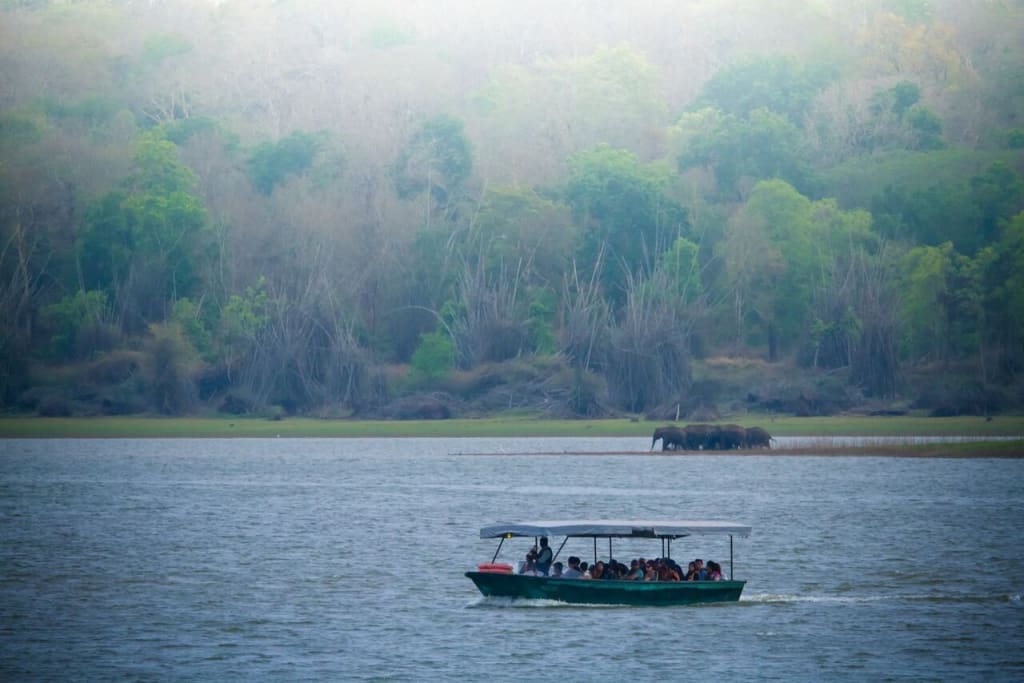
First time I saw the Kabini River, it wasn’t from a tourist spot or a viewpoint—it was during a silent boat ride at sunrise. Mist floated above the water, birds called from the trees, and a herd of elephants stood quietly on the opposite bank. In that moment, I realized this river wasn’t just a geographical feature—it was the heartbeat of Kabini’s wilderness.
Where is the Kabini River?
The Kabini River is a major tributary of the Cauvery River, flowing through the southern states of Karnataka and Kerala. It originates in Wayanad, Kerala, and travels over 230 kilometers before merging with the Cauvery near T. Narasipur in Karnataka.
The river plays a vital role in shaping the Kabini Wildlife Sanctuary, forming the natural boundary between Nagarhole and Bandipur National Parks. It’s not just a lifeline for wildlife, but also a major source of irrigation and drinking water for surrounding regions.
My Experience on the Banks of the Kabini River
I stayed at a jungle lodge near the river, waking up every morning to the sound of water flowing and birds chirping. The Kabini isn't like other rivers where people crowd for selfies. It’s calm, wide, and powerful in its own way.
One of the most memorable parts of my trip was the boat safari on the Kabini River. We spotted crocodiles sunbathing, herds of deer drinking water, and even a massive tusker (wild elephant) cooling off. The riverbank is a natural stage for wildlife, and every bend brings something new.
Why the Kabini River is So Important
Beyond its beauty, the Kabini River is ecologically and culturally significant:
Wildlife Habitat: During dry months, the river becomes a critical water source for tigers, leopards, elephants, and more.
Agriculture: It supports farming in the surrounding regions through the Kabini Reservoir.
Tourism: River safaris and luxury resorts have turned Kabini into a top destination for nature lovers.
The Kabini Reservoir
Formed by the Kabini Dam, this reservoir is one of the most picturesque water bodies in South India. It attracts migratory birds, and in summer, the shrinking water levels create open grasslands—perfect for wildlife sightings.
Things to Do Around the Kabini River
If you're planning a trip, here's how you can make the most of the Kabini River:
1. Boat Safari
Float along the river while spotting elephants, crocodiles, otters, and exotic birds like ospreys, kingfishers, and cormorants. Early morning and sunset rides are especially magical.
2. Photography
The river offers picture-perfect reflections, misty sunrises, and incredible wildlife moments. Bring a good zoom lens—you won't regret it!
3. Stay at a Riverside Resort
There are eco-lodges and luxury retreats right on the riverbank. Some of the best include:
Evolve Back Kabini
Kaav Safari Lodge
Waterwoods Lodge & Resorts
4. Birdwatching
Kabini is a paradise for bird lovers. Spot brahminy kites, herons, eagles, and even rare migratory species during winter.
5. Nature Walks and Village Tours
Learn about the local lifestyle, agriculture, and how the river supports entire communities in the region.
Best Time to Visit Kabini River
October to May is the best time to visit.
November to February offers cool weather and clear skies—perfect for boat safaris and wildlife spotting.
Avoid June to September as the monsoon can cause the river to flood, and safaris may be limited.
How to Reach Kabini River
By Road: Kabini is about 220 km from Bangalore (5–6 hours by car).
Nearest Railway Station: Mysore (70 km)
Nearest Airport: Mysore or Bangalore (Kempegowda International Airport)
FAQs – All About Kabini River
1. Where does the Kabini River originate?
The Kabini River originates in the Wayanad district of Kerala, from the confluence of the Panamaram and Mananthavady Rivers.
2. What is the Kabini Dam used for?
The Kabini Dam helps in irrigation and water supply for the surrounding districts. It also creates a reservoir that supports wildlife and tourism.
3. Is swimming allowed in the Kabini River?
Swimming is not recommended due to the presence of crocodiles and strong currents, especially near forest areas.
4. Can I do a private boat ride on the Kabini River?
Yes, many resorts offer private or small group boat safaris. These are best for photography or romantic evening cruises.
5. What wildlife can be seen near the Kabini River?
You may spot elephants, deer, crocodiles, otters, wild boars, and a variety of birds. Lucky visitors might even see tigers or leopards coming to drink.
Final Thoughts – A River That Flows with Life
The Kabini River is more than just a scenic destination—it's a symbol of harmony between humans, animals, and nature. It nourishes farmlands, sustains forests, and creates unforgettable memories for those who visit its banks.
If you're looking to escape the noise of everyday life and reconnect with nature, a journey to Kabini will change you. Whether you're a wildlife lover, a romantic at heart, or a curious explorer, this river has a story waiting just for you.
About the Creator
Rohit SEN
Hey! Come along with me to explore beautiful places, learn about different cultures, and share my adventures. Let's Explore together! From a travel lover!
Weather in Morocco in August By Morocco Family Vacation
When I first planned our summer trip to Morocco in August, I had mixed feelings. I knew Morocco was hot in the summer, but I wasn’t sure how my kids would handle the heat. Traveling with two children my 7-year-old and 10-year-old means considering naps, hydration, sun protection, and activity pacing more than anything else. I wanted an adventure, but I also wanted it to be safe and enjoyable for them.
By Ariel Cohenabout 21 hours ago in Wander



Comments (1)
Thank you so much for being transparent about using AI 😊