
Jawai Leopard Safari: Where Rajasthan’s Wild Soul Comes Alive Among Granite Hills
There are no park gates or safari queues. Instead, you’re in the heart of a wild region where leopards live in peaceful coexistence with humans, particularly the local Rabari tribe, who have shared this land with big cats for generations.
Rajasthan is often celebrated for its majestic forts, palaces, and golden deserts—but there’s a lesser-known corner of this regal state that quietly offers one of the most thrilling and intimate wildlife experiences in India: the Jawai Leopard Safari.
Set against a dramatic landscape of boulder-strewn hills, thorny scrub, and tranquil water bodies, Jawai (also spelled as Jawai Bandh) is not your typical safari destination. There are no park gates or safari queues. Instead, you’re in the heart of a wild region where leopards live in peaceful coexistence with humans, particularly the local Rabari tribe, who have shared this land with big cats for generations.
If you’re looking for a safari experience that’s offbeat, authentic, and deeply connected to the land—Jawai is calling.
Where Is Jawai and Why Is It So Unique?
Jawai is located in the Pali district of Rajasthan, nestled between the more famous destinations of Udaipur and Jodhpur. The region gets its name from the Jawai River and Dam, which not only nourishes local life but also creates a natural haven for migratory birds and crocodiles.
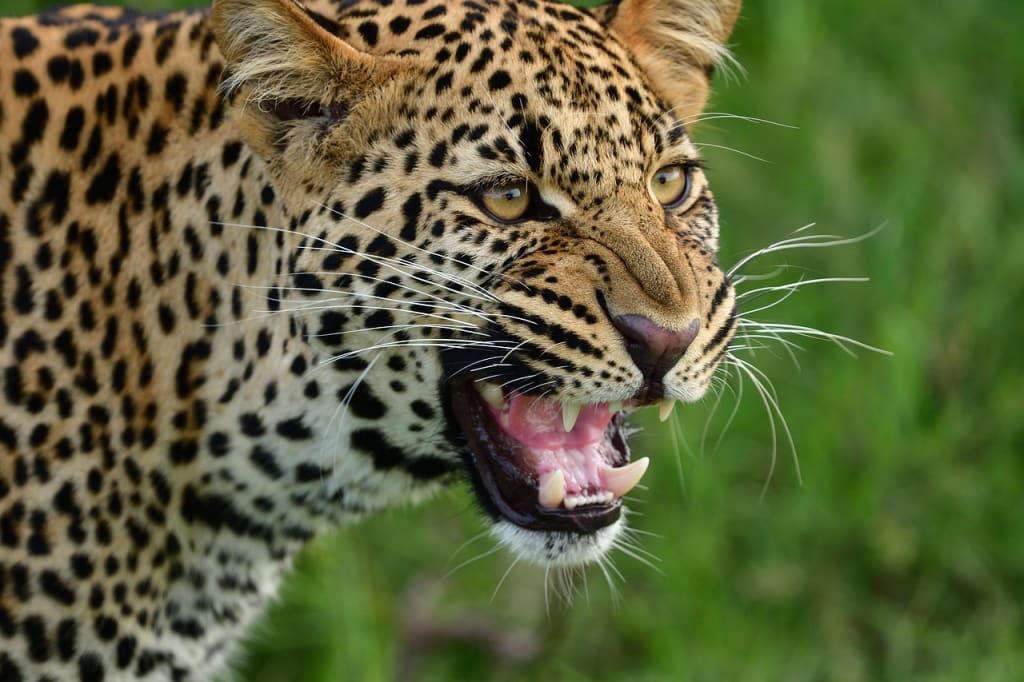
But the real stars of this rugged landscape are the elusive Indian leopards. Unlike other parks where leopards are hard to spot, Jawai has one of the highest sighting rates in the country, thanks to the open terrain and the cats’ unique adaptation to the granite rock caves that dot the hills. These natural shelters allow leopards to live close to human settlements without fear or conflict—a rare phenomenon.
This rare harmony between man and predator, combined with the raw, cinematic landscape, makes Jawai unlike any other wildlife destination in India.
Best Time to Visit Jawai Leopard Safari
You can plan a trip to Jawai any time of the year, but your experience may vary depending on the season:
October to March is the best season for safaris. The weather is pleasant, the landscape is dry, and leopards are often more visible as they bask on sunlit rocks.
April to June is hotter, but fewer tourists and dry terrain make leopard sightings even easier—if you can handle the heat.
Monsoon (July to September) brings lush greenery and spectacular views, but heavy rains can sometimes affect accessibility to certain safari trails.
I visited in January, and the crisp morning air, mist over the hills, and golden sunset safaris made it a perfect winter getaway.
Getting There: How to Reach Jawai
Despite being off the tourist radar, Jawai is well-connected by road and rail:
By Train: The closest station is Jawai Bandh, connected to major cities like Delhi, Jaipur, and Ahmedabad. Most resorts offer pick-up from the station (15–30 mins away).
By Road: Jawai is about 3.5 hours from Udaipur, 4 hours from Jodhpur, and 6–7 hours from Jaipur. The roads are scenic and well-maintained.
By Air: The nearest airports are Udaipur (145 km) and Jodhpur (170 km).
It’s best to book accommodation that includes transportation or ask your hotel for help with local cabs.
The Safari Experience: What to Expect
A typical Jawai Leopard Safari is unlike the jeep safaris of national parks. There are no predefined zones or crowd-heavy trails. Instead, you’ll head out with a local tracker in an open 4x4, exploring granite hills, narrow dirt paths, and riverbeds in search of wildlife.
Each safari lasts 2.5–3 hours, and your chances of seeing leopards are genuinely high—sometimes even within minutes of leaving your lodge. They’re often spotted perched on hilltops, peeking out from rock caves, or gracefully walking along ridgelines.
Beyond leopards, you might also encounter:
Crocodiles near the dam waters
Sloth bears, hyenas, and Indian foxes
Flamingos, cranes, and pelicans during winter months
And the pastoral life of the Rabaris, with their herds of sheep and camels moving through the landscape
The most memorable part? The silence. Jawai is not overrun with tourists. When you spot a leopard, it’s often just your vehicle there—no jostling crowds or noisy engines. Just you, the wild, and the slow rhythm of nature.
Where to Stay in Jawai
Jawai offers a mix of luxury, mid-range, and budget stays, all centered around villages like Bera, Perwa, and Jawai Bandh. Here are some popular options:
Luxury: Suján Jawai – an ultra-luxe camp offering private tents, fine dining, and curated wildlife experiences.
Mid-Range: Jawai Leopard Safari Lodge, Thour Nature Resort, and Castle Bera offer authentic stays with full-board safari packages.
Budget: Homestays and guesthouses in Bera and Perwa villages provide simpler, more affordable options, often run by locals who double as guides.
Most accommodations include all meals and 1–2 safaris per day in their pricing. Expect to spend anywhere from ₹6,000 to ₹25,000 per night, depending on the level of luxury.
Things to Do Beyond the Safari
Jawai’s beauty goes beyond the big cats. If you’re staying for a couple of days, consider adding these to your itinerary:
Visit Jawai Dam at sunrise or sunset for incredible reflections and bird sightings.
Explore Rabari villages on foot—meet herders, learn about their traditions, and enjoy warm hospitality.
Trek up to Kambeshwar Mahadev Temple, a peaceful hilltop shrine with stunning views.
Take a day trip to Kumbhalgarh Fort (2.5 hours away), known for its long wall and warrior history.
If you’re heading west, Mount Abu is just 3 hours away—great for a cool mountain escape after the safari.
Local Tips and Travel Advice
Book your stay and safari well in advance, especially between November and February.
Carry neutral-colored clothes for safaris—avoid red, neon, or white.
Mornings can be chilly in winter, so layer up.
Binoculars and a camera with a zoom lens will make your experience 10x better.
Respect local customs—the Rabaris are deeply spiritual and culturally rich.
Always follow the guide’s instructions during leopard sightings—these animals are wild, and keeping a respectful distance is key.
Final Thoughts: Why Jawai Is Worth the Journey
Jawai isn’t a mainstream wildlife destination—and that’s its greatest strength. There are no crowds, no fences, no overly commercial setups. It’s just you, the land, the leopards, and a silent understanding between humans and nature that few places in the world can claim.
Whether you're a wildlife photographer, a nature lover, or someone who just wants to disconnect from urban life and soak in the stillness, Jawai delivers a rare kind of magic.
About the Creator
Rohit SEN
Hey! Come along with me to explore beautiful places, learn about different cultures, and share my adventures. Let's Explore together! From a travel lover!
Getting Around Turkey (Turkiye) by Air and Bus
In an earlier article, I wrote about a nice little hack of getting to and leaving from Turkey by way of connecting flights in Warsaw - an absolute delight. Now, I am going to give you the skinny on traveling by air internally in Turkiye (Turkey) via AJet and Pegasus Airlines, Istanbul's two major airports (SAW and IST), plus a few tips on traveling between cities by bus all based on a trip we took in September 2024.
By Richard Soullierea day ago in Wander
Pokhara Adventure Activities for 2026
Pokhara Adventure Activities for 2026 Pokhara is Nepal's best place for adventure activities. It sits next to Phewa Lake with beautiful views of the Annapurna mountains. This makes it perfect for exciting things in the sky and on the ground. The popular activities include Paragliding, Bungee Jumping, Ultralight flight and Atv adventure. All these are safe, fun, and not too expensive. This article covers details about every activity including prices, places, how long they take, safety rules, and how to mix them for a great trip.
By Pranjal Pandey4 days ago in Wander


Comments
There are no comments for this story
Be the first to respond and start the conversation.