
Jawai Leopard Safari: A Wild Encounter in Rajasthan’s Untamed Granite Hills
Unlike any traditional tiger reserve or wildlife park, the Jawai Leopard Safari offers an unfiltered glimpse into the world of big cats living in harmony with local villagers.

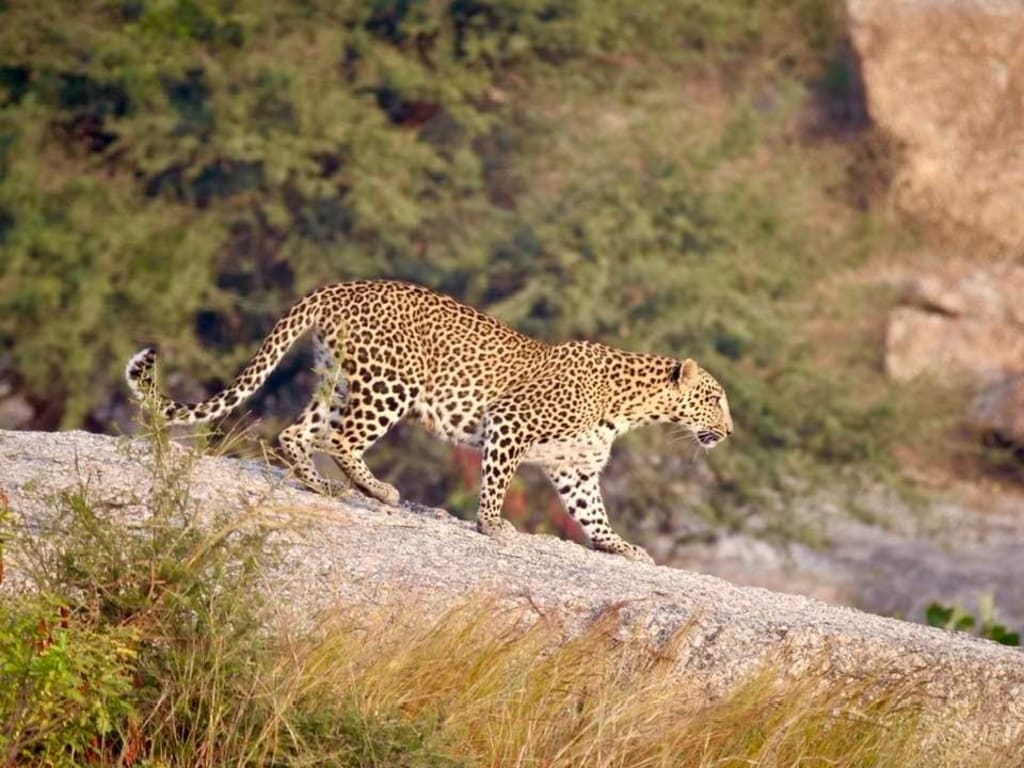
When people think of Rajasthan, they picture golden deserts, grand palaces, and camel rides under the sun. But hidden deep in the Pali district of Rajasthan lies a rugged wilderness where leopards roam freely among granite hills—a place called Jawai. Unlike any traditional tiger reserve or wildlife park, the Jawai Leopard Safari offers an unfiltered glimpse into the world of big cats living in harmony with local villagers.
I didn’t expect to be so blown away by Jawai. It wasn’t just the leopards that made the experience unforgettable—it was the raw landscape, the silence of the boulders, and the stories shared by locals who consider leopards their neighbors. Let me take you through everything you need to know to plan an exciting and meaningful Jawai leopard safari.
1. Where Is Jawai and What Makes It So Unique?
Jawai is a small, offbeat region located near Bera in Rajasthan, about halfway between Udaipur and Jodhpur. The area is known for its surreal landscape—massive granite formations, scattered scrub forests, and open plains. But its biggest claim to fame? It’s one of the few places in India where you can spot wild leopards outside of protected forests.
What’s truly fascinating is the coexistence between the local Rabari tribes and these elusive predators. The leopards here aren’t enclosed within park boundaries—they roam freely, living in caves among the rocky hills, often just a few hundred meters from human settlements.
2. Best Time to Visit Jawai Leopard Safari
The ideal time to visit Jawai is between October and March, when the weather is pleasant, the landscape is green after the monsoon, and wildlife sightings are at their best.
Avoid the scorching summer months (April to June), as temperatures soar above 40°C and safaris can be extremely uncomfortable. Monsoon season (July to September) brings charm to the region but might disrupt safari timings due to slippery trails.
Early morning and late afternoon are the prime slots for leopard sightings, as the cats are most active during these cooler hours.
3. How to Reach Jawai: Your Travel Options
Jawai is well-connected yet remote enough to keep crowds away. Here’s how you can get there:
By Road: Jawai is about 145 km from Udaipur, 170 km from Jodhpur, and around 410 km from Jaipur. You can hire a taxi or self-drive.
By Train: The nearest railway station is Jawai Bandh, connected to cities like Jaipur, Jodhpur, and Ahmedabad.
By Air: The closest airports are Udaipur (160 km) and Jodhpur (170 km). From there, hire a cab to reach your resort or homestay.
If you’re staying at a luxury camp or wildlife lodge, most offer pick-up and drop-off services from major nearby hubs.
4. The Safari Experience: What to Expect
The Jawai Leopard Safari isn’t your usual jungle ride. There are no thick forests or hidden waterholes. Instead, you’ll be tracking leopards through open terrain and rocky hills, guided by locals who know the terrain—and the leopards—intimately.
Safaris are typically conducted in open 4x4 vehicles, either early morning (6:00 AM) or late evening (4:00 PM). The chances of spotting a leopard here are surprisingly high—thanks to the leopards’ relatively stable territories and the expertise of local trackers.
Apart from leopards, you may also spot:
Striped hyenas
Sloth bears
Jungle cats
Crocodiles near Jawai Dam
A wide range of birds, including flamingos (in winter), eagles, and owls
The most thrilling part? Watching a leopard lounging on a boulder, completely at ease in its domain, as the sun paints the sky in golden hues.
5. Where to Stay: From Luxury Camps to Local Stays
Jawai has recently gained popularity among luxury and wildlife travelers, so you’ll find a range of boutique lodges, safari camps, and eco-resorts. Some popular options include:
Sujan Jawai – Ultra-luxury glamping with personalized safaris
Jawai Leopard Safari Lodge – Mid-range comfort with local hospitality
Bera Safari Lodge – A great choice for wildlife photography enthusiasts
If you’re on a budget or looking for an authentic rural vibe, there are homestays run by Rabari families that offer basic but warm hospitality and cultural experiences.
6. Local Tips, Travel Safety, and Itinerary Suggestions
Travel Tips:
Dress in neutral colors like beige, olive, or grey to blend into the landscape during safaris.
Carry binoculars and a zoom lens if you're into photography.
Always book safaris in advance—most stays include 1 or 2 safaris in the package.
Respect local customs—Rabaris consider leopards sacred, so refrain from talking about them as threats.
Safety: Jawai is incredibly safe for tourists. The leopards here are used to humans and rarely show aggression. Always listen to your guide during the safari.
Suggested 2-Day Itinerary:
Day 1: Arrive by noon → Check-in → Evening Safari → Dinner under the stars
Day 2: Early morning Safari → Breakfast → Visit Jawai Dam → Check-out or extend stay with cultural village tour
7. Why Jawai Should Be on Your Wildlife Bucket List
Unlike commercial wildlife parks, Jawai offers a raw, unfiltered, and deeply human experience with nature. The leopards are the stars, no doubt—but the soul of Jawai lies in the peaceful coexistence of wildlife and villagers, in the whisper of ancient rocks, and in the pink skies that stretch endlessly above.
If you’re a wildlife lover, photographer, or just someone looking to break away from the usual, Jawai Leopard Safari is an unforgettable escape that balances adventure with authenticity.
About the Creator
Rohit SEN
Hey! Come along with me to explore beautiful places, learn about different cultures, and share my adventures. Let's Explore together! From a travel lover!
Worth the Wait: Puerto Viejo, Costa Rica
Beach bumming in a small Caribbean beach town sounded like a perfect way to end our 6-month trip through Mexico and Central America. Or so we thought. The foul, fishy stench of rotten seaweed hit our nostrils as we stepped from the cramped bus and looked out at a rather depressing, empty, and underwhelming black sand beach. It was pouring with rain, and we had to quickly fish out our ponchos. We thought, this couldn’t be it, could it?
By Sh*t Happens - Lost Girl Travel10 days ago in Wander
Danish Royals Frederik and Mary Begin Six-Day Australia Tour with Visit to Rain-Soaked Red Centre
Denmark’s Crown Prince Frederik, Crown Prince of Denmark and Crown Princess Mary, Crown Princess of Denmark have commenced a six-day official tour of Australia, beginning with a visit to the country’s iconic red centre amid unusually heavy rains that have transformed the arid landscape into lush, vibrant scenery. The trip marks an important cultural and diplomatic engagement for the Danish royals, emphasizing Indigenous heritage, environmental awareness, and strengthened bilateral relations. The tour opened in Alice Springs, a central hub in the Northern Territory, where the royals were greeted by local officials, Indigenous elders, and members of the Danish-Australian community. Despite the rain-soaked conditions, the Crown Prince and Princess embraced the opportunity to explore the region’s unique landscape and connect with its people. During their first day, Frederik and Mary visited the Alice Springs Desert Park, where they were briefed on conservation efforts and the impact of climate variability on local ecosystems. Staff highlighted the role of the park in preserving native flora and fauna, as well as cultural programs that educate visitors on the traditions and stories of the local Indigenous communities. The royals also attended a traditional welcome ceremony organized by Arrernte elders, one of the region’s prominent Indigenous groups. The ceremony included storytelling, song, and dance, giving Frederik and Mary insight into the rich heritage of the area. Crown Princess Mary, who has previously championed Indigenous rights and social initiatives in Denmark, expressed admiration for the resilience and cultural depth of the communities they visited. Heavy rainfall had turned parts of the usually arid terrain green, providing a rare opportunity for the royals to witness the red centre in a markedly different light. The unexpected weather conditions also allowed discussions about water management, desertification, and the broader environmental challenges facing Australia, topics that align with Denmark’s own focus on climate action. “Visiting the red centre under such unusual conditions is both beautiful and informative,” Crown Prince Frederik said. “It reminds us how climate change can bring unexpected consequences to communities and ecosystems alike, and why collaboration on environmental issues is so crucial.” The itinerary also included meetings with local leaders and conservationists to explore sustainable development projects and partnerships between Danish and Australian institutions. Discussions covered renewable energy, water conservation, and Indigenous-led tourism initiatives that support both cultural preservation and economic development. Later in the day, the Danish royals participated in a community engagement event where they met students and educators from local schools. The interaction focused on education, cultural exchange, and youth empowerment, with the Crown Princess sharing stories about initiatives in Denmark that encourage young people to engage in social and environmental projects. In addition to environmental and cultural engagements, the tour is designed to strengthen diplomatic and trade relations between Denmark and Australia. Officials noted that Denmark and Australia have a history of cooperation in areas such as renewable energy, technology, and research, and the royal visit provides a high-profile platform to promote continued collaboration. Despite the challenging weather, the Crown Prince and Princess maintained a full schedule, demonstrating their commitment to the visit and their interest in understanding Australia’s regional issues. The Northern Territory government welcomed the attention brought by the royal visit, emphasizing the importance of showcasing both urban and remote communities to international visitors. The six-day tour will take the Danish royals to multiple states, including New South Wales, Queensland, and Victoria, where engagements will span environmental programs, Indigenous cultural projects, and Danish-Australian trade initiatives. Each stop is intended to highlight the diverse landscapes, cultures, and industries that define Australia today. Observers say that the Danish royals’ focus on cultural respect, environmental awareness, and education demonstrates the soft diplomacy Denmark is known for, using high-profile visits to foster goodwill and mutual understanding. As the Crown Prince and Princess continue their tour, they are expected to meet with government officials, business leaders, and community representatives to further strengthen ties between the two countries. Their visit underscores the enduring importance of royal diplomacy in promoting cultural exchange, environmental awareness, and international cooperation. The red centre visit, despite being rain-soaked, has already set a meaningful tone for the tour, reflecting a blend of respect for Indigenous traditions, engagement with pressing environmental issues, and commitment to deepening bilateral relations. As Frederik and Mary continue their journey across Australia, attention will remain on how these engagements contribute to long-term collaboration and cultural understanding.
By Fiaz Ahmed a day ago in Wander



Comments
There are no comments for this story
Be the first to respond and start the conversation.