
How One Scam Destroyed the Whole Country?
The Lebanon Financial Crisis: A Tale of Corruption and Betrayal
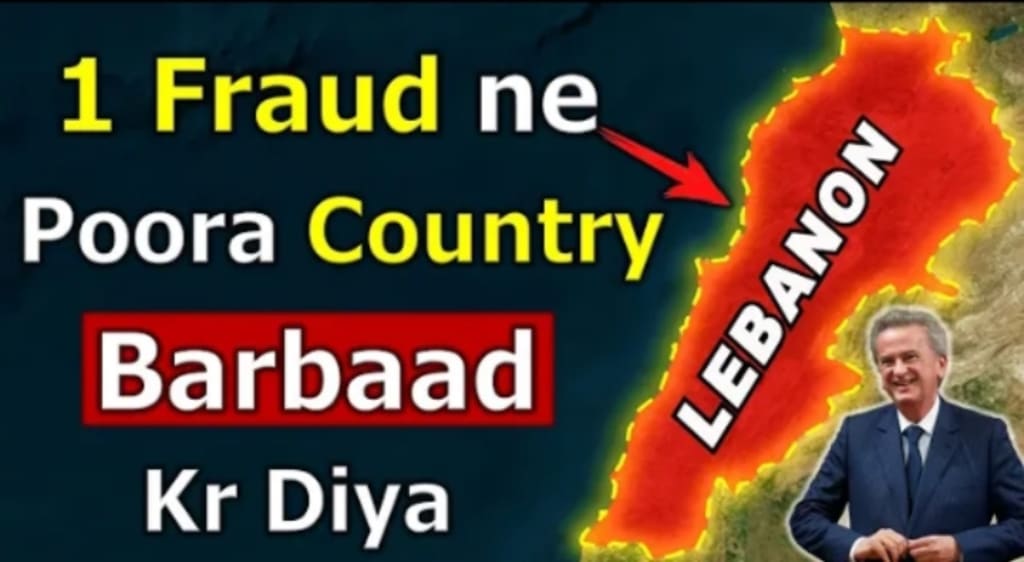
*The Lebanon Financial Crisis: A Tale of Corruption and Betrayal*
Lebanon, once dubbed the "Switzerland of the Middle East," has been ravaged by a catastrophic financial crisis, leaving 80% of its population below the poverty line and eight in ten citizens unemployed. The country's inflation rate has skyrocketed to 171%, with its currency devaluing drastically from 1,500 Lebanese pounds per dollar to 15,000.
*A History of Turmoil*
Lebanon's woes began with the 1975 civil war, which lasted 15 years and claimed 500,000 lives. The Taif Agreement in 1989 brought temporary peace, but the country's infrastructure and economy were left shattered. To rebuild, Lebanon's leaders sought foreign loans, orchestrated by Riyad Salame, a former Merrill Lynch vice president who became governor of the Central Bank of Lebanon.
*A Web of Deceit*
Salame's strategy involved artificially stabilizing the currency and offering unusually high interest rates to attract foreign investors. This scheme, which promised returns of 8% and later 15%, drew in millions of dollars. However, the money was largely funnelled into the pockets of Salame and other government officials.
*The Bubble Bursts*
In 2019, concerns about the legitimacy of the banking system grew, and people began withdrawing their money. Banks imposed strict withdrawal limits, sparking widespread panic. The Lebanese pound plummeted, and foreign investors fled. The government was left unable to pay salaries or provide basic services.
*Consequences of Corruption*
Today, Lebanon faces unprecedented poverty, unemployment, and crime. The once-thriving tourism and banking sectors lie in ruins. Riyad Salame, the mastermind behind the scam, remains at large, with an estimated $300 million stashed in offshore accounts.
*A Lesson in Accountability*
The Lebanon crisis serves as a stark reminder of the devastating consequences of corruption. To prevent similar tragedies, it is crucial to educate future generations about the dangers of corruption and promote accountability.
Sources:
[Insert sources cited in the article]
About the Creator
Keep reading
More stories from Abira Sahi and writers in Wander and other communities.
This Country Should Have Been a Superpower
*The Rise and Fall of Argentina: A Cautionary Tale of Economic Mismanagement* Argentina, once considered a potential superpower, boasts an enviable geography and abundant natural resources. The Pampas region, one of the world's most fertile areas, coupled with a impressive river system and extensive coastline, positioned Argentina for greatness. However, despite these advantages, the country's economy has experienced repeated booms and busts, culminating in nine bankruptcies in the last century.
By Abira Sahiabout a year ago in Wander
Worth the Wait: Puerto Viejo, Costa Rica
Beach bumming in a small Caribbean beach town sounded like a perfect way to end our 6-month trip through Mexico and Central America. Or so we thought. The foul, fishy stench of rotten seaweed hit our nostrils as we stepped from the cramped bus and looked out at a rather depressing, empty, and underwhelming black sand beach. It was pouring with rain, and we had to quickly fish out our ponchos. We thought, this couldn’t be it, could it?
By Sh*t Happens - Lost Girl Travel8 days ago in Wander
Lost in Translation: How Getting It Wrong in Asia Taught Me How to Travel Right
My first morning in Hanoi started with a sensory assault. I was sitting on a tiny blue plastic stool, knees touching my chin, watching a woman whisk an egg yolk into a cup of robusta coffee. The air smelled of charcoal smoke, cilantro, and exhaust fumes. It was chaotic, loud, and utterly mesmerizing.
By Eleni N. Markou4 days ago in Wander




Comments
There are no comments for this story
Be the first to respond and start the conversation.