
Harsil Valley | Itinerary, Best Time, Things to Do & All
Explore Harsil Valley in Uttarakhand, a hidden Himalayan gem known for its scenic beauty, rich history, apple orchards, and gateway to Gangotri Dham.

Harsil Valley is located in the Uttarkashi district of Uttarakhand, nestled in the lap of the Garhwal Himalayas at an elevation of around 2,745 meters (9,005 feet). It lies on the banks of the sacred Bhagirathi River and serves as a serene stop on the road to Gangotri. The valley is surrounded by thick pine and deodar forests, snow-capped peaks, and vast alpine meadows. Harsil is not just a single village but a cluster of around eight interconnected hamlets spread across the valley. This hidden gem remains untouched by commercial tourism and retains a raw natural beauty. The location also provides access to the remote Nelang Valley and high Himalayan passes such as Lamkhaga, connecting it to the Baspa Valley in Himachal Pradesh.

Cultural and Historical Insights
Harsil Valley is not just a beautiful Himalayan village but also a place rich in history and culture. In the 19th century, British adventurer Frederick E. Wilson settled here and introduced apple farming, earning him the title "Raja Wilson." His colonial cottage still stands as a reminder of his legacy. Spiritually, Harsil lies on the Char Dham route to Gangotri. During winter, when Gangotri is closed due to snow, the idol of Goddess Ganga is moved to nearby Mukhba village, adding sacred charm to the valley’s cultural fabric.
Cultural and Historical Highlights of Harsil
- Raja Wilson’s Legacy: British adventurer who introduced apple farming
- Wilson Cottage: Historic colonial residence still visible today
- Char Dham Connection: Lies on the route to the sacred Gangotri Dham
- Ganga Idol Tradition: Winter worship shifts to Mukhba village from Gangotri
- Fusion of Heritage: A blend of British colonial history and Hindu traditions
Natural Splendor and Attractions
The natural charm of Harsil is unparalleled. The valley is blanketed in dense forests of pine, deodar, and oak, interspersed with vibrant apple orchards. The Bhagirathi River flows through the valley, adding a soothing musical backdrop. Snow-capped Himalayan peaks rise in the distance, offering panoramic views ideal for photography and quiet contemplation. Harsil is an excellent base for nature walks, forest trails, and birdwatching. It is also a paradise for stargazers due to minimal light pollution. The changing seasons paint the valley in different hues—from the blooming rhododendrons of spring to the golden leaves of autumn and the pristine white of winter snow.
Nearby Villages and Spots
- Dharali: Located just 3 to 6 km from Harsil, Dharali is known for its sprawling apple orchards, kidney bean (Rajma) cultivation, and a beautiful Shiva temple. The village offers an immersive cultural experience and is ideal for homestays and farm visits. (Find here the latest news on Dharali Cloudburst)
- Mukhba (Mukhwa): Just 1 km from Harsil, this village holds great religious importance as it becomes the winter abode of Goddess Ganga. A small temple here is the focal point of winter festivities and rituals.
- Sattal (Seven Lakes): Roughly 3 km above Dharali, Sattal is a hidden collection of seven alpine lakes surrounded by dense forest and silence. The trek to Sattal is moderately easy and offers breathtaking views. It is a great spot for nature photography, meditation, and camping.
- Sukhi Top: A high-altitude viewpoint offering panoramic vistas of the Himalayan range. It is perfect for sunrise treks and peaceful breaks away from the crowded tourist trails.
Nearby Places to Visit
- Gaumukh Tapovan Trek: The Gaumukh Tapovan Trek is a 46 km spiritual and adventure journey in Uttarakhand. Starting from Gangotri, it takes 6 to 7 days to reach 14,150 feet. The trek offers stunning views, glacier walks, and peaceful meadows at Tapovan. It is perfect for those seeking both mountain beauty and spiritual connection near the source of the Ganga River.
- Auden's Col Trek: Auden’s Col Trek is a tough 95 km high-altitude journey from Gangotri to Kedarnath. It features glaciers, frozen lakes, steep ice climbs, and remote villages. With harsh terrain and sub-zero camping, it's ideal for seasoned trekkers. The trek crosses the dangerous Khatling Glacier and offers raw Himalayan beauty, making it one of India's most challenging treks.
- Kalindi Khal Trek: The Kalindi Khal Pass Trek is an 86 km high-altitude journey linking Gangotri and Badrinath. It crosses glaciers, crevasses, and moraines, offering views of glacial lakes and rare wildlife. This trek blends spiritual heritage with extreme adventure, making it a sacred yet challenging route for those seeking raw Himalayan wilderness and a deeper connection with nature.
- Kedartal Trek: The Kedartal Trek in Uttarakhand takes you to Shiva’s Lake at 15500 feet. Starting from Gangotri, it covers 30 kilometers in four days. The trail offers views of Mount Thalaysagar and Brigupanth, passing through Bhojkarak and Kedarkharak. With rugged terrain and stunning scenery, this trek offers pure adventure and peaceful moments in the high Himalayas.
- Lamkhaga Pass Trek: Lamkhaga Pass Trek is one of the toughest and most remote treks in India, connecting Harsil in Uttarakhand to Chitkul in Himachal Pradesh. At an altitude of 17,320 feet, it crosses glaciers, moraines, and high mountain passes, offering raw adventure and surreal Himalayan views for seasoned trekkers seeking a true wilderness experience.
- Nelang Valley Exploration: A restricted but scenic area requiring permits, ideal for offbeat travelers.
These trails offer a mix of alpine forests, glacial terrains, river crossings, and traditional Himalayan hospitality.
Best Time to Visit
- Summer (Apr–Jun): Ideal for sightseeing, hiking, and enjoying the cool climate. Temperatures range from 10 to 25°C. The valley is in full bloom with wildflowers and greenery.
- Autumn (Oct–Nov): Known for crisp air and clear views of snow-covered peaks. The colors of fall make the landscape stunning. Great for photography and peaceful retreats.
- Winter (Dec–Mar): Snow blankets the valley, transforming it into a magical wonderland. It’s perfect for snow lovers and those looking for a quiet winter retreat. Sub-zero temperatures prevail, and road access can be limited.
- Monsoon (Jul–Sep): Heavy rainfall can make roads slippery and risky. Although the valley looks lush and green, landslides and travel delays are common. Best avoided unless necessary.
How to Reach Harsil
- By Air: The nearest airport is Jolly Grant Airport in Dehradun, about 232 km away. From there, taxis or buses can take you to Uttarkashi and onward to Harsil.
- By Road: Harsil lies on NH108 and is around 72–78 km from Uttarkashi. It is well connected by buses and taxis from Dehradun, Rishikesh, and Haridwar.
- By Rail: The closest railway stations are in Rishikesh, Haridwar, and Dehradun. From these points, road travel is required to reach Harsil.
Conservation and Tourism Development
Harsil Valley is part of ongoing eco-tourism and conservation initiatives. The Defence Institute of Bio-Energy Research (DIBER), operated by DRDO, runs a field station here that studies high-altitude farming and energy crops. Local villagers are being trained as nature guides, and efforts are being made to encourage sustainable tourism through regulated homestays and eco-lodges. Projects include the development of a snow leopard conservation center and astronomy-based tourism like star-gazing camps. These efforts aim to protect Harsil’s fragile ecosystem while supporting the local economy through responsible travel.
Harsil Valley Tour Itinerary
- Day 1: Dehradun to HarsilStart your journey early from Dehradun and drive to Harsil via Uttarkashi. The drive takes around 8–9 hours, covering a scenic route through mountainous terrain and along the Bhagirathi River. Reach Harsil by evening and rest in a local homestay or guesthouse.
- Day 2: Gartang Gali Hike (2,950 m/9,680 ft) and Gangotri Dham Visit (3,100 m/10,170 ft)Begin your day with a short drive and a hike to the historic Gartang Gali—a wooden bridge pathway on a vertical cliff with breathtaking views. Later, head to Gangotri Dham, around 25 km from Harsil. Visit the temple and spend time exploring the spiritual aura of this sacred town before returning to Harsil by evening.
- Day 3: Explore Bagori Village and Lama Top (3,000 m/9,843 ft)Take a leisurely morning walk to Bagori Village, known for its traditional wooden architecture and local lifestyle. After lunch, set out on a short trek to Lama Top, a scenic viewpoint offering mesmerizing Himalayan panoramas. This day is perfect for cultural immersion and peaceful exploration.
- Day 4: Departure to DehradunAfter breakfast, begin your return journey to Dehradun. Carry back fond memories of the serene Harsil Valley and its unmatched beauty.
In Summary
Harsil Valley is a peaceful Himalayan destination that beautifully combines natural beauty, cultural heritage, and adventure. Whether you are a spiritual seeker, a nature enthusiast, or an avid trekker, Harsil offers something unique. It remains one of the few places in Uttarakhand where time slows down, and every view feels like a postcard. With its serene environment, historical significance, and growing eco-tourism infrastructure, Harsil Valley is a destination that deserves to be on every traveler’s list.
Frequently Asked Questions About Harsil Valley
Q 1. What is Harsil Valley famous for?
Ans. Harsil Valley is famous for its untouched natural beauty, apple orchards, scenic Himalayan views, and its proximity to Gangotri Dham. It is also known as a peaceful and less crowded alternative to other tourist spots in Uttarakhand.
Q 2. How do I reach Harsil Valley?
Ans. You can reach Harsil Valley by road from Dehradun, Rishikesh, or Uttarkashi. The nearest railway station is in Dehradun, and the closest airport is Jolly Grant Airport in Dehradun. From there, taxis and buses are available to Harsil.
Q 3. What is the best time to visit Harsil Valley?
Ans. The best time to visit Harsil Valley is from April to June and September to November. During these months, the weather remains pleasant and ideal for sightseeing, hiking, and photography.
Q 4. Is Harsil Valley safe for tourists?
Ans. Yes, Harsil Valley is considered very safe for tourists. It is a peaceful region with a low crime rate. However, visitors should check weather and road conditions during monsoon or winter seasons.
Q 5. Are there any trekking options near Harsil Valley?
Ans. Yes, there are several trekking routes near Harsil including hikes to Lama Top, Gartang Gali, Mukhba Village, and trails toward Gangotri National Park.
Q 6. Can I visit Harsil Valley during winter?
Ans. Yes, Harsil can be visited during winter (December to February), but the region experiences heavy snowfall. Roads may be blocked occasionally, and temperatures can fall below freezing, so plan accordingly.
Q 7. Are there any accommodations available in Harsil?
Ans. Harsil has several accommodation options including homestays, guesthouses, and small hotels. Government-run GMVN rest houses are also available for budget-friendly stays.
Q 8. Is Harsil suitable for a family trip?
Ans. Absolutely. Harsil is a calm, family-friendly destination ideal for nature lovers, senior citizens, and children. Activities like short walks, riverside picnics, and cultural visits are suitable for all ages.
Q 9. How far is Gangotri from Harsil?
Ans. Gangotri is approximately 25 kilometers from Harsil and can be reached in about 1 to 1.5 hours by road. Many tourists choose Harsil as a peaceful base for their Gangotri Dham visit.
Q 10. What are some nearby places to visit from Harsil Valley?
Ans. Nearby attractions include Gangotri Temple, Gartang Gali, Bagori Village, Dharali, Mukhba Village, Lama Top, and Sattal (near Harsil, not to be confused with Sattal near Nainital).
About the Creator
Keep reading
More stories from Mountains Curve and writers in Wander and other communities.
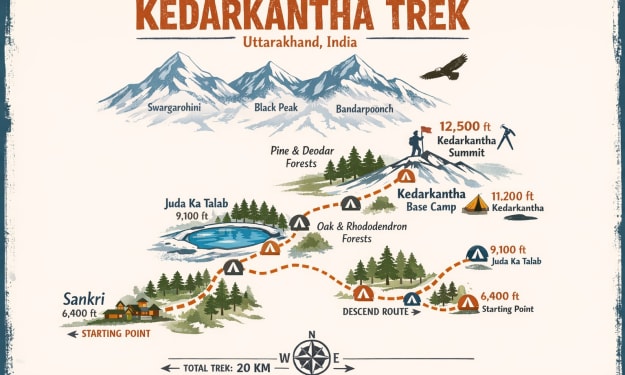
Kedarkantha Trek Route & Map | Complete Trail Guide
If you are planning the Kedarkantha trek, understanding the route and trail layout matters more than anything else. This is not a technical trek, but weather, forest sections, and summit day timing can catch people off guard if they rely only on surface-level maps.
By Mountains Curve3 months ago in Wander
How To Find the Most Scenic Places to Photograph Around Dambulla
Sri Lanka is a great country to visit, filled with history, scenery as well as a plethora of fun activities. Among the cities of interest is Dambulla, a place where scenery, historic landmarks and travel come together for photographers. The area is known for its cave temples, rock formations as well as nature-filled surroundings, giving travellers many places to capture. This guide breaksdown practical and straightforward ways to plan your photography journey in Dambulla.
By Daphne Olga2 days ago in Wander



Comments
There are no comments for this story
Be the first to respond and start the conversation.