
Har Ki Dun Trek: Explore the Valley of Gods in Uttarakhand
A journey through Uttarakhand’s Valley of Gods, Har ki dun trek offering stunning views, alpine meadows, ancient villages, and cultural heritage.
Introduction to the Har Ki Dun Trek
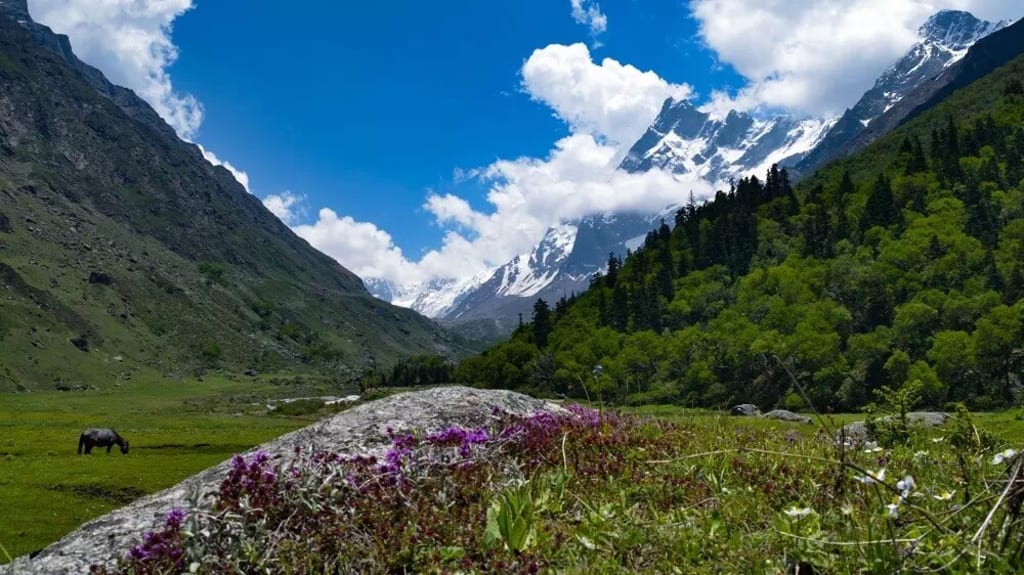
Nestled in the Garhwal Himalayas of Uttarakhand, the Har Ki Dun Trek is one of India’s most scenic and culturally rich treks. Known as the “Valley of Gods,” Har Ki Dun is a trail steeped in mythology, pristine landscapes, and alpine beauty. The trek offers a unique opportunity to experience Uttarakhand’s diverse flora and fauna, the ancient lifestyle of remote Himalayan villages, and panoramic views of towering Himalayan peaks like Swargarohini and Bandarpunch.
This 7- to 8-day trek begins from the quaint village of Sankri and extends up to the Har Ki Dun Valley at an altitude of 11,675 feet. Suitable for both beginners and seasoned trekkers, Har Ki Dun presents a moderate challenge that rewards hikers with lush green valleys, crystal-clear streams, and awe-inspiring views of the Himalayan range.
Why Choose the Har Ki Dun Trek?
Har Ki Dun is one of the most enchanting valleys in the Himalayas, offering an idyllic blend of adventure and serenity. From alpine meadows and dense pine forests to picturesque riverside campsites, the trek covers diverse terrains. Additionally, this trail has historical significance, believed to be the route taken by the Pandavas on their way to heaven as per the Mahabharata epic.

Some unique highlights of the Har Ki Dun Trek include:
- Cultural Insight: The trail passes through ancient villages like Osla and Seema, where traditional Himalayan culture and architecture have been preserved for centuries.
- Flora and Fauna: Trekking through Govind Wildlife Sanctuary, trekkers may spot rare species like the Himalayan monal, black bear, and barking deer.
- Mythological Significance: The region holds legendary significance, adding a mystical allure to the natural beauty surrounding trekkers.
Best Time to Embark on the Har Ki Dun Trek
The best time to trek to Har Ki Dun is from March to June and September to November. Each season brings unique elements to the landscape, providing different trekking experiences.
- Spring (March to May): Spring transforms the valley with blooming rhododendrons and fresh greenery, offering mild weather and picturesque landscapes.
- Summer (June to early July): With clear skies and warm temperatures, summer is ideal for panoramic mountain views and exploring the lush green valleys.
- Autumn (October to November): Autumn offers cooler weather and a drier trail, with clear skies that provide spectacular views of snow-capped peaks.
- Winter (December to February): This season is ideal for adventurers looking to experience the valley under a thick layer of snow, although it requires more preparation for harsh conditions.
Day-by-Day Itinerary of the Har Ki Dun Trek
- Day 1: Arrival at Sankri
The journey begins with an eight-hour drive from Dehradun to Sankri, the base camp for the trek. The scenic route offers views of terraced fields, rivers, and lush green valleys, setting the stage for the days ahead.
- Day 2: Trek from Sankri to Taluka to Seema
A short drive from Sankri to Taluka leads to the trek's starting point. From Taluka, the trail follows the Supin River, leading trekkers through mixed forests and quaint villages. By evening, trekkers reach Seema for the night.
- Day 3: Seema to Har Ki Dun Valley
This is the most rewarding day as trekkers ascend to the Har Ki Dun Valley. Passing through pine forests, ancient villages, and meadows dotted with wildflowers, the journey offers breathtaking views. At the top, trekkers camp near the valley, with majestic views of Swargarohini and Jaundhar Glacier.
- Day 4: Exploration Day at Har Ki Dun
A day reserved for exploring the valley, trekkers can hike up to Jaundhar Glacier or soak in views of the valley’s snow-capped peaks, meadows, and streams.
- Day 5: Descent from Har Ki Dun to Seema
The return journey follows the same trail, allowing trekkers to take in the scenery once again, descending from Har Ki Dun Valley back to Seema.
- Day 6: Seema to Taluka and Drive to Sankri
The final day of trekking takes you back to Taluka, followed by a short drive to Sankri, marking the end of the trekking adventure.
- Day 7: Departure from Sankri to Dehradun
Trekkers bid farewell to the mountains, returning to Dehradun with unforgettable memories.
Packing Essentials for the Har Ki Dun Trek
The Har Ki Dun Trek involves varying climates, from mild temperatures to snowy patches, depending on the season. Here’s a list of essentials:
- Trekking shoes: High-quality waterproof trekking shoes are essential for uneven and wet terrain.
- Warm clothing layers: Including thermal layers, down jackets, and fleece for colder nights.
- Rain gear: A waterproof jacket and backpack cover for unexpected showers.
- Trekking poles: Useful for support during ascents and descents.
- Daypack: A small backpack for essentials like water, snacks, and personal items.
Flora, Fauna, and Cultural Richness
The Har Ki Dun Valley, situated within the Govind Wildlife Sanctuary, offers rich biodiversity. Trekkers can spot several unique plant species, including rhododendrons, blue pine, and deodar trees. Wildlife enthusiasts might encounter Himalayan birds, langurs, and deer, adding a touch of wilderness to the trek. Moreover, trekking through villages like Osla provides a glimpse into local culture and traditions that have remained untouched by modernity.
Conclusion: Why Har Ki Dun is a Must-Do Himalayan Trek
The Har Ki Dun Trek offers a harmonious blend of natural beauty, cultural immersion, and moderate adventure, making it ideal for all types of trekkers. Whether you’re a novice or experienced trekker, this journey through one of Uttarakhand’s most scenic valleys promises an unforgettable experience, complete with stories of legends, unmatched Himalayan views, and encounters with rich local culture.
Choosing the right season to trek can enhance your experience, and with proper preparation, the Har Ki Dun Trek is bound to be one of the most rewarding treks you’ll embark on. From verdant landscapes to snow-draped valleys, Har Ki Dun offers something magical in every season.
About the Creator
Birendra Bisht
I love trekking the Himalayas and sharing my adventures through writing. My explorations include Kuari Pass, Ali bedni bugyal and Phulara Ridge. Join me as I blend my passions for trekking and storytelling.
Keep reading
More stories from Birendra Bisht and writers in Wander and other communities.
Phulara Ridge Trek: A Scenic Adventure Through Meadows and Majestic Peaks
The Phulara Ridge Trek is a hidden gem nestled in the Garhwal region of Uttarakhand, India. This trek, although lesser-known compared to its counterparts, offers an experience that is nothing short of breathtaking. With sprawling meadows, panoramic views of snow-capped peaks, and a unique ridge walk, this adventure promises to be an unforgettable journey for both novice trekkers and seasoned adventurers alike.
By Birendra Bishtabout a year ago in Wander
Worth the Wait: Puerto Viejo, Costa Rica
Beach bumming in a small Caribbean beach town sounded like a perfect way to end our 6-month trip through Mexico and Central America. Or so we thought. The foul, fishy stench of rotten seaweed hit our nostrils as we stepped from the cramped bus and looked out at a rather depressing, empty, and underwhelming black sand beach. It was pouring with rain, and we had to quickly fish out our ponchos. We thought, this couldn’t be it, could it?
By Sh*t Happens - Lost Girl Travel10 days ago in Wander
Mount Nebo: Improvised Travel, Biblical History, and Grief in Jordan
After an improvised crossing from Israel into Jordan, a taxi ride to Mount Nebo became a strange, comic, and quietly mournful detour. Arriving an hour early, I wandered the desert hillside with figs, whole kiwis, and water, hearing only a disembodied groundskeeper, meeting a dog, and watching a distant Bedouin goatherder. The landscape felt harsh yet alive, an oasis of silence, history, and endurance. Inside the sanctuary, cooler air, Byzantine ruins, mosaics, and biblical memory deepened the visit. Yet the journey was shadowed by grief: it unfolded during his birthday week and just before his father’s funeral, giving the beauty a muted, tragic undertone.
By Scott Douglas Jacobsen37 minutes ago in Wander


Comments
There are no comments for this story
Be the first to respond and start the conversation.