
Frozen in Time: The Haunting Discovery of George Mallory on Everest
Unraveling the 75-Year-Old Mystery of a Mountaineer Who May Have Conquered the World’s Highest Peak Before Anyone Else
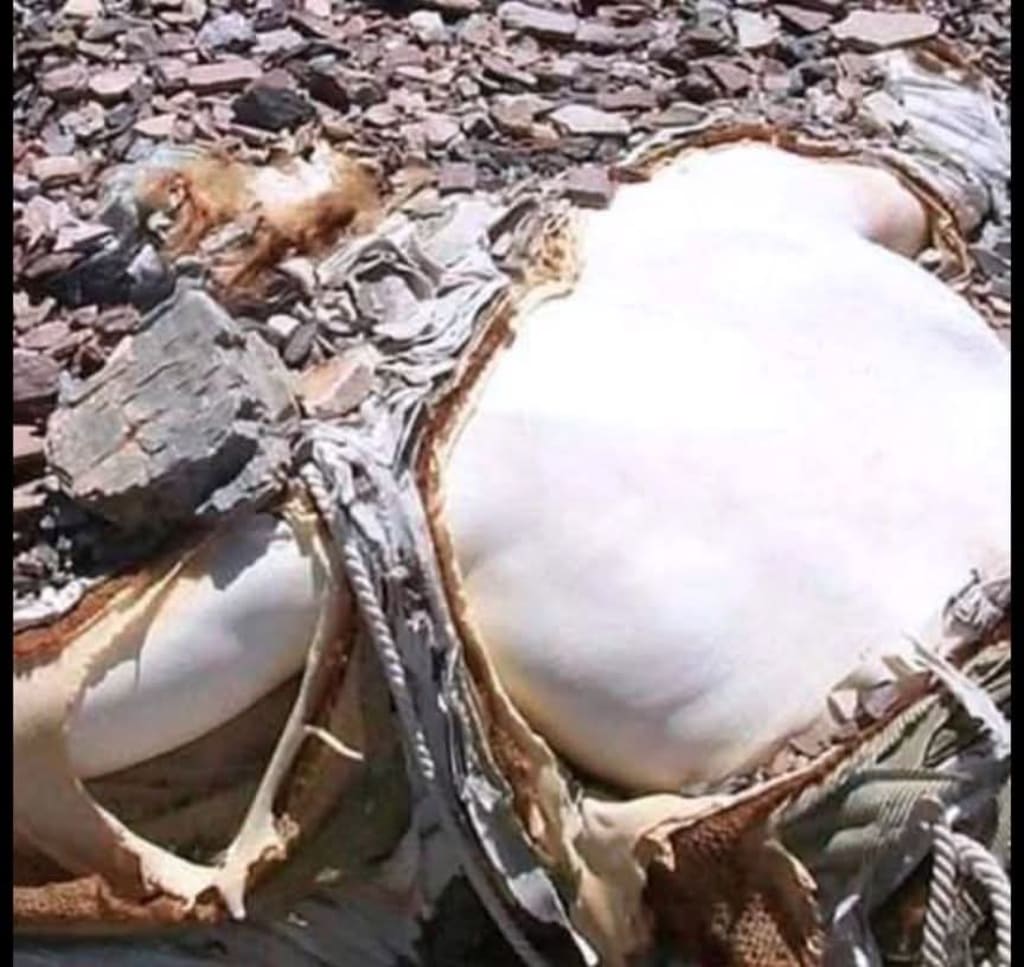
On May 1, 1999, as American mountaineer Conrad Anker slowly ascended the treacherous North Face of Mount Everest, he noticed something peculiar on the icy slope—a flat, rock-like object jutting out of the snow. But this was no ordinary rock. To his astonishment, it was a human body—eerily well-preserved by the mountain’s brutal cold. Frozen in time, the body belonged to none other than George Mallory, the legendary British climber who had vanished 75 years earlier during a tragic expedition in 1924.
Mallory and his climbing partner, Andrew "Sandy" Irvine, had disappeared just below the summit of Everest, and their fate had remained one of the most enduring mysteries in mountaineering history. The central question that haunted generations of climbers and historians alike was this: did they reach the summit before Sir Edmund Hillary and Tenzing Norgay famously did in 1953? If so, then Mallory and Irvine would have been the first humans to stand atop the world’s highest point—almost three decades earlier than previously believed.
Mallory’s body, remarkably intact after more than seven decades in one of the world’s most unforgiving environments, offered both answers and more questions. Although his clothing was shredded by the relentless wind and the passage of time, his face, hands, and much of his body were preserved enough to offer a haunting glimpse into his final moments. His injuries were stark and unsettling: a broken leg, a fractured arm, and nearby, his ice axe—a silent witness to a violent fall.
But what chilled even the most seasoned climbers was the position of his body. His uninjured leg was carefully placed over the broken one, suggesting that Mallory may have survived the fall—at least for a while. He might have lain there, conscious and fully aware, stranded on the icy slopes of Everest, waiting for a rescue he must have known would never come. That image—of a man frozen not just in ice but in the lonely grip of time and fate—was enough to send shivers down the spine of even the bravest explorers.
And yet, despite this extraordinary discovery, the most vital clue remained elusive. The small Kodak camera that Mallory was known to have carried—a device that could potentially hold photographic evidence of their success on the summit—was nowhere to be found. Without it, the mystery persists: did Mallory and Irvine actually conquer Everest?
Over the years, climbers and researchers have tried to reconstruct the final hours of Mallory and Irvine’s fateful climb. They were last seen by fellow team member Noel Odell on June 8, 1924, making what appeared to be good progress toward the summit. Then the clouds swallowed them whole. Speculation has ranged from a sudden storm to a fatal fall while descending. The discovery of Mallory’s body added important pieces to the puzzle, but not the solution.
Even in death, Mallory has remained a symbol of human ambition, courage, and the relentless pursuit of dreams. Born in 1886, he was a man of intellect, a schoolteacher and war veteran, but his heart belonged to the mountains. When once asked why he wanted to climb Everest, his legendary response—“Because it’s there”—captured the spirit of an era where exploration was as much about self-discovery as geography.
The 1999 Mallory and Irvine Research Expedition, which led to the discovery of his remains, was a culmination of years of planning and obsession with this mystery. Conrad Anker and his team braved perilous conditions to find traces of the 1924 expedition, hoping to shed light on one of the great what-ifs of the 20th century.
Though the camera has never been found, the recovery of Mallory’s body brought a form of closure. It connected generations across time, binding the stories of those who risk everything for a goal greater than themselves. It reminded the world that Everest is not merely a mountain—it’s a monument to human will, sacrifice, and the longing to touch the sky.
Today, George Mallory rests eternally on the slopes of the very peak he so dearly wished to conquer. He is not just a figure in a tragic tale but a towering symbol of the human spirit—a man who dared to dream beyond the limits of his time, whose footsteps in the snow may or may not have reached the summit, but whose legacy certainly did.
Whether or not Mallory and Irvine were the first to summit Everest may remain unanswered forever. But in discovering his body, the world was given something perhaps even more profound—a tangible link to the golden age of exploration, a reminder of the risks dreamers take, and a silent, snowbound testimony to courage that defies time.
As climbers continue to ascend Everest, many pass the spot where Mallory’s remains were found. Some leave a tribute, others say a silent prayer. All of them, however, climb with the knowledge that someone came before, not for glory, but for the pure and noble challenge of conquering the unknown.
And in that, George Mallory succeeded.
About the Creator
Keep reading
More stories from Ikram Ullah and writers in Wander and other communities.
🇰🇮 Kiribati – The Hidden Gem of the Pacific Ocean
🇰🇮 Kiribati – The Hidden Gem of the Pacific Ocean Kiribati, also known as Christmas Island (locally referred to as Kiritimati), holds a unique and fascinating position on the world map. It is the largest coral atoll in the world by land area, covering approximately 388 square kilometers. A coral atoll is a ring-shaped island formed from coral reefs that encircle a lagoon partially or completely. What makes Kiritimati exceptional is not only its geological features but also its historical, ecological, and cultural significance.
By Ikram Ullah7 months ago in Wander


Comments
There are no comments for this story
Be the first to respond and start the conversation.