
Festival of Diwali in India
Is it the same for the poor too?


Diwali conjures images of exploding crackers, sweets, and brand-new clothing whenever we hear about the celebration. However, have we ever considered if Diwali is the same in India for all social classes? Diwali is a multi-day festival in India, with distinct traditions for different social groups. So, what is it about Diwali that is so special?
The festival of Diwali heralds the start of a new year according to the Hindu calendar . It is known as the Festival of Lights because it symbolizes the triumph of light over darkness and the triumph of good over evil.
There are various beliefs about why Diwali is celebrated; in the North, it is believed that it was on this day that Lord Rama, along with his brother Lakshman and wife Sita, returned to Ayodhya after 14 years of exile; in the South, it is believed that this day marks Lord Krishna's victory over the demon Naraksura; and so the legends associated with this festival continue. What fascinates us is how Diwali is celebrated differently in India and across the world, whether in America, Nepal, Australia, or Singapore; the list goes on.
An average Indian household spends between Rs 5000 and Rs 10000 during Diwali, according to the ASSOCHAM-Social Development Foundation (ASDF). Nevertheless, how much do the impoverished in India pay to celebrate Diwali?
India was rated 62 out of 107 nations in the Global Multidimensional Poverty Index 2020. According to a World Bank study, the worldwide pandemic has driven more than 75 million people into poverty IN INDIA, bringing almost 134 million. According to a Forbes article, the epidemic has increased the gap between India's wealthy and poor. The wealthy have grown their fortune by almost $257 million, while the poor and lower middle class have been driven further into poverty.
When the impoverished struggle to obtain a two-square meal, they are not apathetic to the Diwali celebration. On Diwali, we wear new garments, but for them, simply finding fabric to cover their skin is a struggle; whatever little clothing they have is either given to them or discovered lying on streets or in the trash. We brighten our homes with Diyas, clean them, and decorate them with rangolis, yet the poor, most of them, do not even have a pucca house to call their own. Even yet, if we ask them whether they like Diwali, the response is a resounding yes. They attempt to create sweets and delicious meals with whatever little materials they have; they burn candles and break crackers if given.
However, have we ever considered how Diwali impacts them adversely as well? Indeed, it does. It serves as a reminder of the terrible circle of poverty in which they are trapped.

According to a 2016 study performed by the Pune Chest Research Foundation and students at the University of Pune's Interdisciplinary School of Health Sciences, some crackers emit many hazardous particles that may result in severe lung damage. We return to our houses and sleep in our comfortable beds, oblivious that the smoke produced by cracker explosions is causing damage to the poor. Not only that but the charred remnants of crackers are often left on the road, which may contain a hazardous ingredient that, if handled, may cause harm to a person.
The firecrackers industry witnessed a boom in their sales and production too, what is disturbing is that it is the poorest of the people who work in these factories and are constantly exposed to the lethal chemicals. Why have bursting crackers become such a big part of Diwali these days? This festival is not about how much you spend on new things or how many crackers you burn to show your excitement towards the festival.
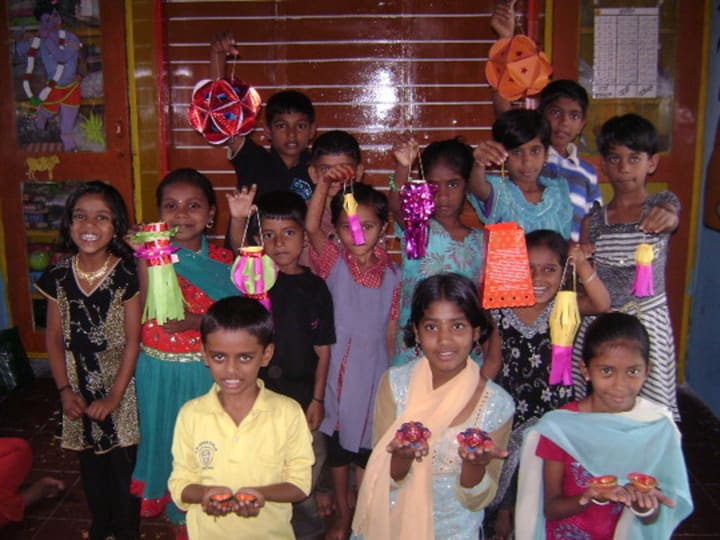
Diwali is a festival that is significant to all strata of society; it is the responsibility of the affluent part to ensure that the poor have a happier and safer Diwali. More individuals should step up to donate their clothing and blankets, light a Diya for them, and provide them with sweets and nutritious meals. Spreading happiness is an essential aspect of Diwali, and we should try to make sure that it happens. Celebrate Diwali with enthusiasm, assist the less fortunate, and then relish in the enormous pleasure of making somebody else happy.
About the Creator
Keep reading
More stories from writers in Wander and other communities.
Worth the Wait: Puerto Viejo, Costa Rica
Beach bumming in a small Caribbean beach town sounded like a perfect way to end our 6-month trip through Mexico and Central America. Or so we thought. The foul, fishy stench of rotten seaweed hit our nostrils as we stepped from the cramped bus and looked out at a rather depressing, empty, and underwhelming black sand beach. It was pouring with rain, and we had to quickly fish out our ponchos. We thought, this couldn’t be it, could it?
By Sh*t Happens - Lost Girl Travel7 days ago in Wander
Lost in Translation: How Getting It Wrong in Asia Taught Me How to Travel Right
My first morning in Hanoi started with a sensory assault. I was sitting on a tiny blue plastic stool, knees touching my chin, watching a woman whisk an egg yolk into a cup of robusta coffee. The air smelled of charcoal smoke, cilantro, and exhaust fumes. It was chaotic, loud, and utterly mesmerizing.
By Eleni N. Markou3 days ago in Wander


Comments
There are no comments for this story
Be the first to respond and start the conversation.