
Family Is Peace After A Tired Day At Work
Family is the pillar of life

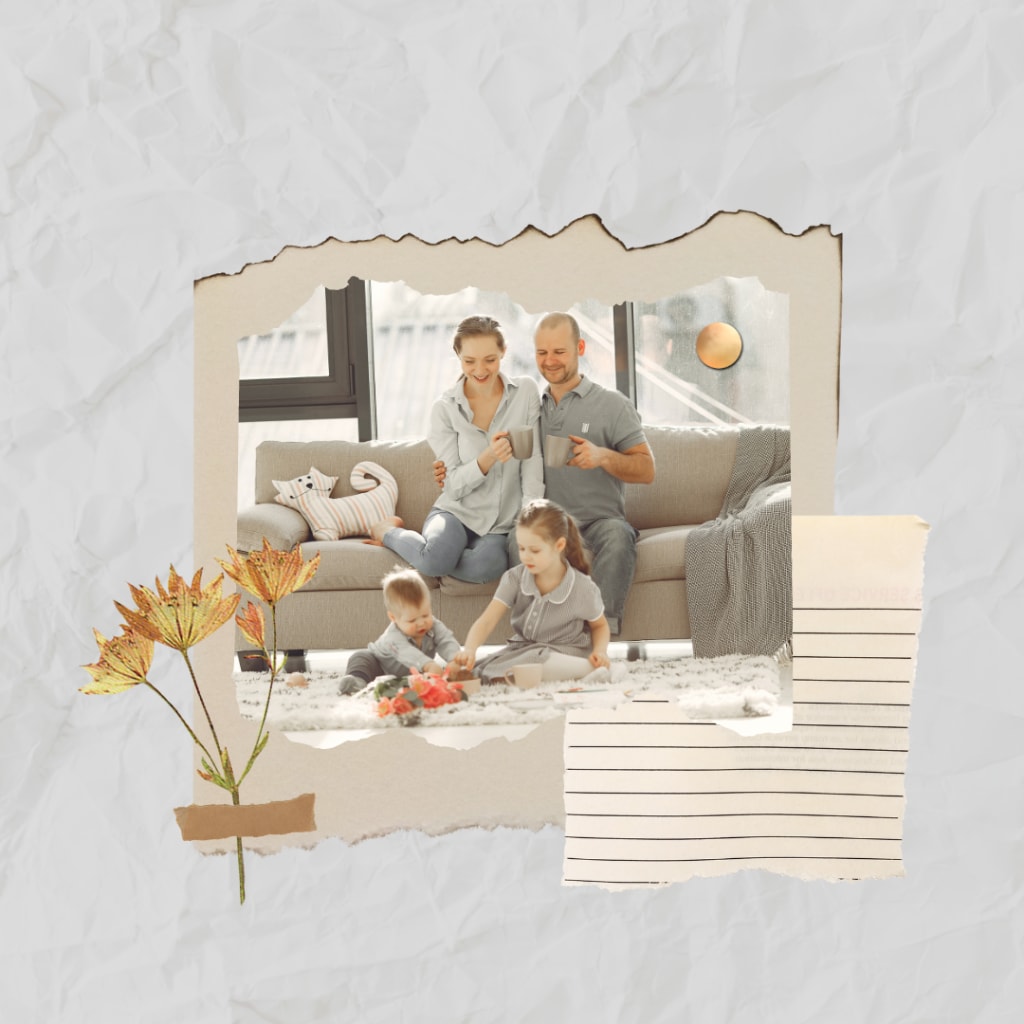
1. Family as a Source of Happiness:
Emotional Support: Families provide a sense of belonging, love, and emotional security, which are vital for happiness. Positive family relationships can enhance feelings of safety and reduce stress.
Shared Experiences: Family members often share milestones, holidays, and traditions, creating memories and deep emotional bonds that contribute to a sense of fulfillment and happiness.
Support System: In times of crisis or stress, families can offer financial, emotional, or physical support, alleviating the burden on individuals and contributing to overall happiness.
2. Family Challenges and Happiness:
Conflicts and Tensions: While families can be a source of joy, they can also be a source of stress, especially when there are conflicts, misunderstandings, or unmet expectations. Unresolved issues can affect individual happiness and well-being.
Balance of Roles: Balancing family roles (such as parenting, caregiving, or being a supportive partner) with personal goals and work can sometimes cause stress, which impacts happiness.
Family Structure: Different family dynamics, such as single-parent families or blended families, may face unique challenges, but strong communication and support can mitigate negative effects on happiness.
3. Happiness Impacting Family Relationships:
Positive Attitudes: A happy individual tends to be more patient, understanding, and compassionate, which strengthens family bonds. Positive emotions can improve communication and conflict resolution within the family.
Emotional Contagion: Happiness is often contagious. A positive family environment can elevate the mood of all members, creating a cycle of joy and contentment that benefits everyone.
4. Cultural and Societal Influences:
Cultural Values: Family and happiness are often shaped by cultural norms and traditions. In many cultures, family is considered a central source of life satisfaction, while others emphasize individual happiness.
Social Expectations: Society’s expectations around family roles, such as the pressure to marry or have children, can influence how individuals define happiness in the context of family.
5. Family as a Foundation for Personal Growth:
Learning Environment: Families are often the first place where individuals learn about relationships, empathy, and social norms, all of which influence their happiness in other areas of life.
Resilience Building: Families help individuals build resilience by providing a stable base from which they can explore the world and face challenges, fostering a long-term sense of satisfaction and happiness.
In summary, family plays a central role in shaping both individual and collective happiness. Healthy family relationships can be a key contributor to personal well-being, while negative dynamics may challenge it. The key to enhancing happiness within families often lies in communication, understanding, and balancing individual and family needs.
About the Creator
Keep reading
More stories from Lam Nguyen and writers in Wander and other communities.
Worth the Wait: Puerto Viejo, Costa Rica
Beach bumming in a small Caribbean beach town sounded like a perfect way to end our 6-month trip through Mexico and Central America. Or so we thought. The foul, fishy stench of rotten seaweed hit our nostrils as we stepped from the cramped bus and looked out at a rather depressing, empty, and underwhelming black sand beach. It was pouring with rain, and we had to quickly fish out our ponchos. We thought, this couldn’t be it, could it?
By Sh*t Happens - Lost Girl Travel7 days ago in Wander
Looking The Total Lunar Eclipse and Blood Moon...March 3rd 2026.
By a stroke of good luck - I just happened to be in Colorado to watch (or squint) at the 2026 Lunar Eclipse in the wee hours of the morning. It was freezing cold, but who can resist the beautiful Rocky Mountain peaks as the antics in the sky compete with dawn. The advent of morning grudgingly pausing in its beginning of yawning awake.
By Sudais Zakwan2 days ago in Wander




Comments
There are no comments for this story
Be the first to respond and start the conversation.