
Exploring the Udayagiri and Khandagiri Caves: Ancient Marvels of Bhubaneswar
Udayagiri and Khandagiri caves are not just a visual treat but also a profound cultural experience. They offer invaluable insights into the architectural ingenuity and religious practices of ancient India.
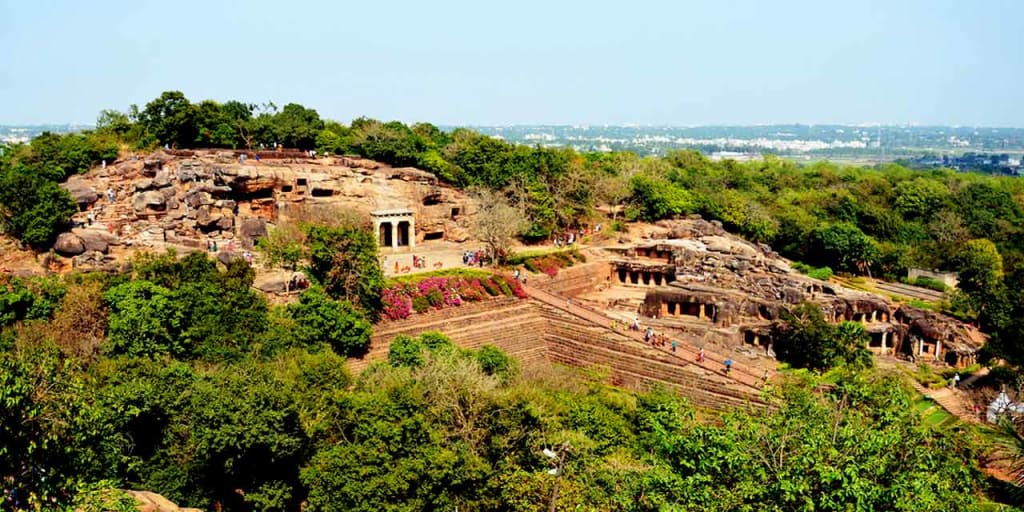
Visiting the city of Bhubaneswar, Odisha, the Udayagiri and Khandagiri Caves stand as a testament to the rich historical and architectural heritage of India. These caves, carved into the rocky hills, are an exceptional example of ancient rock-cut architecture and offer a fascinating glimpse into the life and times of the early Jain and Buddhist monks who once inhabited these caves. This article delves into the history, significance and visitor information about these remarkable sites.
Historical Significance of Udayagiri and Khandagiri Caves
The Udayagiri and Khandagiri Caves are believed to date back to the 2nd century BCE, during the reign of King Kharavela of the Kalinga dynasty. The caves served as residential and meditation spaces for Jain monks, reflecting the religious and cultural practices of the time. The Udayagiri caves, located on the eastern side, and the Khandagiri caves, situated on the western side, are named after the hills they are carved into. Udayagiri means "Sunrise Hill," and Khandagiri translates to "Broken Hill," both names reflecting the geographical features of the area.
Architectural Marvels of Udayagiri Caves
The Udayagiri caves are renowned for their intricate carvings and historical inscriptions. There are 18 caves in total, each varying in size and complexity. Among the most notable is Cave 1, known as the "Rani Gumpha" or Queen's Cave, which features elaborate carvings and a distinctive architecture that reflects the grandeur of the Kalinga dynasty. The central courtyard of Rani Gumpha is adorned with intricate sculptures of animals and mythological figures, while the surrounding cells were used as living quarters for the monks.
Another significant cave is Cave 3, also called the "Hathi Gumpha" or Elephant Cave, which houses a large relief of an elephant and inscriptions detailing the achievements of King Kharavela. These inscriptions provide valuable historical information about the political and cultural environment of the time.
Exploring Khandagiri Caves
Khandagiri caves, located on the opposite hill, are slightly older than the Udayagiri caves. There are 15 caves here, each offering a unique glimpse into the Jain monastic life. Cave 1, known as the "Ganesh Gumpha," is one of the largest and most impressive caves in Khandagiri. It features a series of cells and a central hall with intricate carvings of deities and motifs.
Another notable cave is Cave 4, or the "Rishi Gumpha," which is known for its elegant carvings and serene ambiance. The cave is named after the sages who were believed to have meditated here, and its architecture includes detailed sculptures and inscriptions.
Udayagiri and Khandagiri Caves Images and Photos
For those unable to visit in person, Udayagiri and Khandagiri caves are well-documented through numerous images and photos available online. These images capture the detailed carvings, architectural styles, and scenic beauty of the caves. The photos often highlight the ornate sculptures, inscriptions, and the natural surroundings that add to the charm of these ancient sites.
Visiting Information: Timings and Access
The Udayagiri and Khandagiri caves are accessible throughout the week, with visiting hours generally from 9:00 AM to 5:00 PM. However, it is advisable to check the latest timings and any special notices before planning your visit. The caves are located approximately 8 kilometers from the city center of Bhubaneswar and can be reached by car, taxi, or local transportation.
Tips for Visitors
Wear Comfortable Footwear: The terrain around the caves involves climbing and walking on uneven surfaces, so comfortable and sturdy footwear is recommended.
Carry Water and Snacks: While there are facilities nearby, it’s a good idea to carry your own water and light snacks.
Respect the Heritage: These sites are of great historical and cultural significance. Be respectful, avoid touching the carvings, and follow any guidelines provided by the authorities.
Photography: Photography is usually allowed, but check for any restrictions and be mindful of flash photography that might damage the ancient carvings.
Conclusion
The Udayagiri and Khandagiri caves are not just a visual treat but also a profound cultural experience. They offer invaluable insights into the architectural ingenuity and religious practices of ancient India. Whether you're a history enthusiast, a lover of ancient architecture, or simply a curious traveler, these caves provide a unique opportunity to connect with the rich heritage of Odisha. From the intricate carvings of Udayagiri to the serene meditation spaces of Khandagiri, a visit to these ancient caves is a journey through time that leaves a lasting impression.
About the Creator
Keep reading
More stories from Kajal Singh and writers in Wander and other communities.
Exploring the Lingaraj Temple: A Deep Dive into Bhubaneswar’s Sacred Jewel
The Lingaraj Temple, a towering marvel of religious and architectural significance, stands as one of the most prominent temples in Bhubaneswar, Odisha. Famous for its intricate carvings, historical importance and spiritual allure, the Lingaraj Temple Bhubaneswar attracts thousands of devotees and tourists every year. This article delves into the temple’s rich history, architectural grandeur, visitor information and more, providing a comprehensive overview of this holy site.
By Kajal Singhabout a year ago in Wander
The Sunrise That Awakened My Soul at Borobudur
A Magical Journey Through Indonesia’s Ancient Buddhist Temple and Tropical Wonders I’ve traveled to many incredible places, but nothing prepared me for the moment I stood in front of Borobudur, the world’s largest Buddhist temple. It wasn’t just a monument; it was a living symbol of faith, history, and human artistry. The experience changed me in a way I didn’t expect.
By Ahmed aldeabella4 days ago in Wander
Deception
Deception Writing No. 924 Friday, April 22, 2016 Once upon a time, an eagle and an owl became friends. The eagle said to the owl, “Brother Owl, I promise you that I will never eat your children. But tell me one thing—how will I recognize them? I wouldn’t want to mistake another bird’s chicks for yours and eat them by accident.”
By Sudais Zakwana day ago in Wander



Comments
There are no comments for this story
Be the first to respond and start the conversation.