
Exploring Skip Contents: What Goes Into Your Skip and Why It Matters
Exploring Skip Contents: Allowed Items and Prohibited Materials

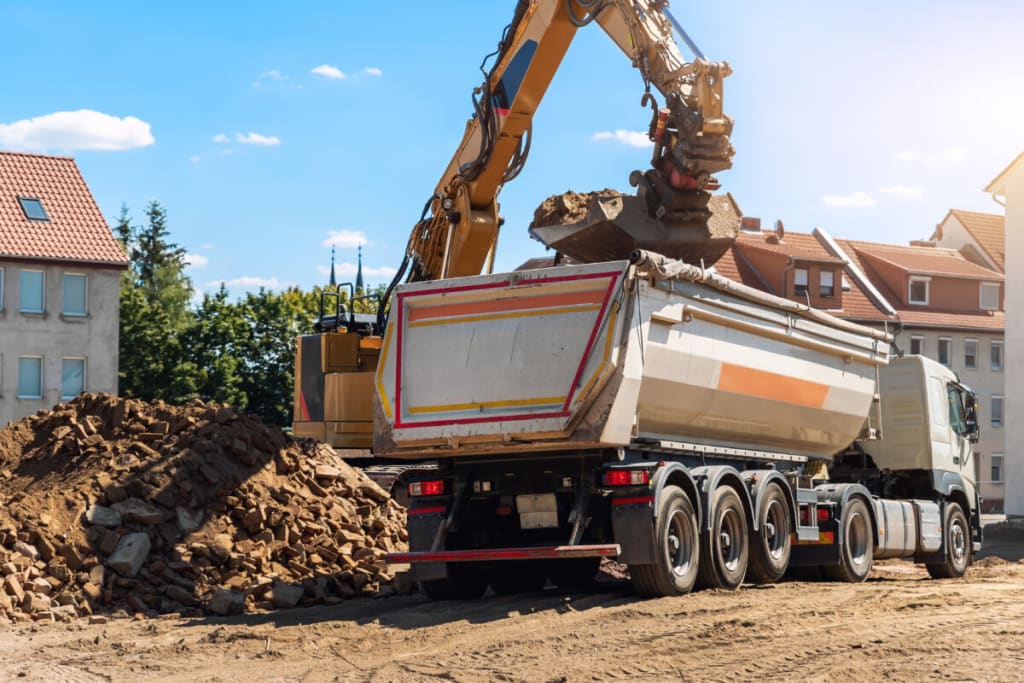
When you hire a skip for waste disposal, have you ever wondered what happens to the contents once it's taken away? Understanding what can and cannot go into a skip is vital for effective waste management, regulatory compliance, and sustainability. In this article, we’ll explore what can be disposed of in a skip, why certain items are restricted, and how responsible waste disposal benefits both the environment and the community.
1. The Purpose of Skip Hire in the UK
Skip hire is essential for both domestic and commercial projects. Whether you’re clearing out your garden, renovating your home, or undertaking a large construction project, skips provide a convenient way to manage and dispose of unwanted materials. But while skips can accommodate a wide variety of waste types, there are limitations to what you can throw in due to environmental regulations, safety concerns, and recycling considerations.
2. Commonly Accepted Skip Contents
Many items are suitable for skip disposal, making it a versatile option for various types of waste:
Household Waste: Items from everyday household clear-outs, like old furniture, broken appliances, clothes, and general rubbish, can usually be thrown into a skip.
Construction Waste: Materials like bricks, concrete, tiles, and rubble are typically accepted in skips, making them ideal for renovation or construction projects.
Garden Waste: Garden waste, such as soil, grass, leaves, branches, and wood, is accepted in skips. However, avoid including large tree stumps or excess soil, as this might incur additional charges or require a different type of disposal.
Metal: Scrap metal, pipes, and other small metal parts can generally go in skips. In many cases, metal waste is recycled, helping reduce the environmental footprint of your disposal.
3. What Can’t Go Into a Skip?
While skips can hold various materials, UK regulations prohibit certain items from being disposed of in general waste skips:
Hazardous Waste: Chemicals, paint, asbestos, batteries, solvents, and anything deemed toxic are strictly off-limits. Hazardous waste must be disposed of by specialized services, as it requires careful handling to avoid environmental and health risks.
Electrical Appliances: Items like refrigerators, freezers, TVs, and computers contain components that need specific processing, so they are not allowed in standard skips. Many skip providers offer special collection services for these items.
Medical Waste: Needles, bandages, or anything considered biohazardous cannot be placed in a skip. Medical waste needs specific disposal processes to prevent contamination and harm to waste handlers.
Tyres and Plasterboard: Due to their recycling and disposal processes, tyres and plasterboard require separate handling and are not accepted in general waste skips.
4. The Impact of Responsible Skip Use
By correctly sorting and disposing of waste, you’re contributing to a cleaner environment and a more sustainable waste management process. Most skip hire companies partner with recycling centres to ensure as much waste as possible is recycled. In the UK, construction and demolition materials make up around 60% of waste generated. By hiring skips that allow for recycling-friendly waste sorting, you play a role in reducing landfill waste and minimising carbon emissions.
5. Why It’s Important to Follow Skip Restrictions
Misusing a skip by throwing in restricted items can have serious consequences, including fines and additional charges. Waste sorting after collection is both time-consuming and costly. Disposing of restricted waste improperly might even lead to contamination or environmental hazards, which impact local communities and ecosystems.
6. A Guide to Sustainable Skip Hire Practices
Here are a few tips to ensure responsible use of skip hire services:
Plan Ahead: Know what materials you plan to dispose of and check with your skip provider about any restrictions.
Separate Hazardous Items: Set aside any hazardous waste and arrange for specialised disposal.
Recycle Where Possible: Items like metals, wood, and green waste can often be recycled. Sorting these items helps skip companies direct waste to recycling facilities.
Consult Your Skip Provider: If you’re uncertain about any item, it’s best to ask your skip hire company. Many skip providers are happy to guide you on what can and can’t go into your skip.
Final Thoughts
Exploring the contents of a skip might seem simple, but it has a significant impact on our environment and waste management practices. By being mindful of what goes into your skip, you not only ensure compliance with UK regulations but also support the local economy and environment by promoting responsible waste disposal. Whether for home clearances, renovations, or construction projects, a well-used skip is a powerful tool for sustainable waste management.
About the Creator
Sunrise Skip Hire
At Sunrise Skip Hire, we’re all about making your construction projects easier with reliable Skip Hire Services. Our team is here to ensure everything goes smoothly, giving you great value and taking care of all the details.
Keep reading
More stories from writers in Wander and other communities.
Small Town Beauty in Washington
Coupeville is part of Ebey’s Landing National Historical Reserve and is the second-oldest town in Washington. It was settled in the 1850s. The town has a lovely waterfront with its historic red wharf. Many of the buildings date from the 19th century. The seafood restaurants serve locally sourced mussels.
By Rasma Raisters6 days ago in Wander
Literary Heartbeats
Step through an unassuming storefront in Saratoga Springs, New York. Let the city’s familiar bustle fade behind you. Sink into the creak of hardwood floors as your gaze is drawn toward a labyrinth unfolding, room after room, swollen with stories. This is the Lyrical Ballad Bookstore—a place where literary ghosts linger, and generations of readers, writers, and dreamers have lost themselves amid 200,000 volumes of wonder.
By Kristen Barenthalerabout 3 hours ago in Wander



Comments
There are no comments for this story
Be the first to respond and start the conversation.