
Everest Expedition: Reaching the Roof of the World
Everest Expedition
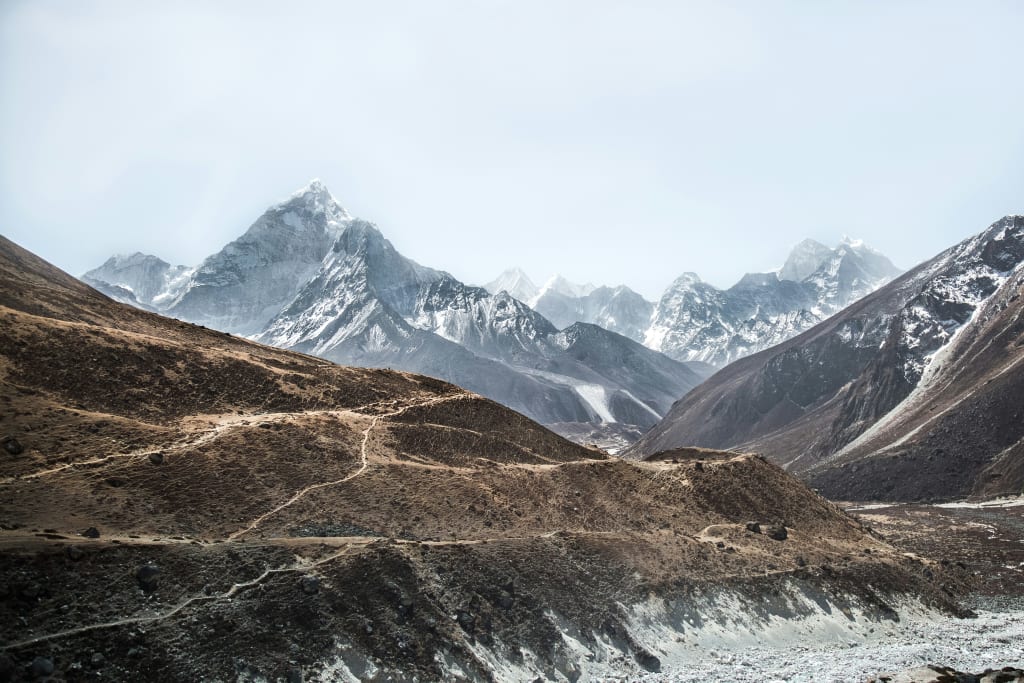
The Everest Expedition is one of the most challenging and exciting adventures in the world. Standing at 8,848.86 meters (29,031.7 feet), Mount Everest is the tallest mountain on Earth. Climbing it is a dream for many mountaineers, symbolizing courage, determination, and the ultimate adventure.
Why Climb Mount Everest?
Mount Everest is not just a mountain; it’s a legend. Every year, climbers from around the globe set their sights on its summit. The journey to the top is not just about reaching the peak; it’s about pushing your limits, testing your endurance, and experiencing the beauty of the Himalayan wilderness.
An Everest Expedition also offers stunning views of other towering Himalayan peaks, glaciers, and valleys. Along the way, climbers can immerse themselves in the rich culture of the Sherpa people, known for their incredible mountaineering skills and warm hospitality.
The Journey Begins
Most Everest expeditions start with a flight from Kathmandu to Lukla, a small but famous airport in the Everest region. From Lukla, climbers trek through villages like Namche Bazaar, Tengboche, and Dingboche, gradually making their way to Everest Base Camp. This trek allows climbers to acclimatize to the high altitude and enjoy the breathtaking scenery.
At Everest Base Camp (5,364 meters), climbers prepare for their ascent. The camp is a buzzing hub of activity, filled with tents, gear, and climbers from all over the world. It’s here that the real challenge begins.
The Climb: Step by Step
Climbing Mount Everest is not a quick journey. It requires weeks of preparation, acclimatization, and patience. The climb is typically divided into four camps above Base Camp:
Camp 1 (6,065 meters): Located in the Western Cwm, this camp is the first major stop after Base Camp. Climbers traverse the Khumbu Icefall, a dangerous section of shifting ice and crevasses, to reach here.
Camp 2 (6,400 meters): This camp serves as an advanced base camp, offering stunning views of Lhotse and Nuptse. Climbers rest and prepare for the tougher sections ahead.
Camp 3 (7,162 meters): Situated on the Lhotse Face, reaching this camp involves climbing steep ice walls using fixed ropes. The altitude here is extreme, and climbers need oxygen to continue.
Camp 4 (8,000 meters): Known as the South Col, this is the final camp before the summit push. Climbers spend a short night here to rest before attempting the summit.
The Summit Push
The climb from Camp 4 to the summit is the most grueling and dangerous part of the expedition. Climbers navigate the narrow, icy ridge, crossing landmarks like the Hillary Step, a steep rock face just below the summit. The final steps to the top are physically and mentally demanding, but the reward is unparalleled.
Reaching the summit of Everest is a moment of triumph. Climbers stand on the highest point on Earth, surrounded by endless views of snow-capped peaks and clouds. The feeling of accomplishment is overwhelming, making all the hardships of the journey worthwhile.
Challenges and Safety
The Everest Expedition is not for the faint-hearted. It involves extreme cold, high altitude, and unpredictable weather. Climbers face risks like frostbite, altitude sickness, and avalanches. Proper training, acclimatization, and the guidance of experienced Sherpas are essential for a safe climb.
Conclusion
The Everest Expedition is more than just a climb; it’s a life-changing journey. It’s about pushing your boundaries, connecting with nature, and experiencing the power of the mountains. While it’s one of the most challenging adventures in the world, the rewards are immense—both in terms of personal achievement and the memories created along the way. If you dream of standing on top of the world, an Everest Expedition might just be your ultimate adventure.
About the Creator
Keep reading
More stories from infinite journey and writers in Wander and other communities.
Annapurna Circuit Trek: A Journey of a Lifetime
The Annapurna Circuit Trek is one of the most popular trekking adventures in Nepal, and for good reason. This incredible journey takes you through diverse landscapes, charming villages, and some of the most stunning mountain views you can imagine. Whether you're a seasoned trekker or new to hiking, this trek offers an unforgettable experience.
By infinite journeyabout a year ago in Wander
What I Learned Is Considered Disrespectful in Morocco by Morocco Family Vacation
Before visiting Morocco with my family, I read countless articles about customs, etiquette, and cultural differences. Still, I worried I’d make a mistake especially traveling as a mom with children who ask questions loudly, touch everything, and don’t always understand unspoken rules.
By Ariel Cohen3 days ago in Wander
Postcard from Castle Hill
Close your eyes and let the sea wind carry you. Hear the hush of tide through salt grass, the crunch of gravel beneath footfalls, and the low call of a distant bell. Before you unfurls a vision as layered as history itself: a rolling drumlin crowned by a Stuart-style mansion, its pale walls gleaming above a velvet lawn that tumbles half a mile toward the Atlantic—a landscape as finely composed as poetry and as resonant as legend. This is Castle Hill, the luminous core of the Crane Estate in Ipswich, Massachusetts, where stories—both spoken and unspoken—gather like morning mist over marsh.
By Kristen Barenthaler7 days ago in Wander
How to Succeed at the Benson Directory®
Congratulations and welcome to the Benson Directory® employee #22391! As our newest call handler, you will have the privilege of speaking with dozens of unique and interesting people on a daily basis as well as the opportunity to earn bonuses for high performance. Contained within this handbook you will find a set of ease to follow instructions designed to help you settle in to your new role and begin paving the way to success.
By S. A. Crawford5 days ago in Fiction



Comments
There are no comments for this story
Be the first to respond and start the conversation.