
Essential Scuba Diving Equipment for New Divers
The Must-Have Gear for First-Timers
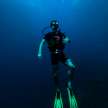

Upon entering the world of scuba diving for the first time, perhaps the most exciting (and frightening) part was getting to know all that gear. As a university student living in Toronto and a certified PADI diver myself, I’ve learned that familiarity with your gear isn’t just about looks: it’s about comfort, it’s about protection, and it’s about making your time underwater count. If this is your maiden voyage into diving, then this is a primer on the basic scuba gear that you’ll be needing.
1. Mask and Snorkel
It all starts with good eyesight. A proper mask creates a seal around your own face such that not a drop leaks in, and it will be comfortable. Most divers will bring a snorkel along too, at least during training, such that you can conserve air in your tank while floating on the surface.
Tip: Make sure to check out the fit of a mask before buying. It will stay in place if pressed against your face gently and you inhale slowly through your nostrils.
2. Fins
Fins will allow you to swim effortlessly around the water without having to use a lot of energy. They can be either open-heel fins (used with booties and suited to cold waters like Canada) or full-foot fins (used in hot tropical waters).
Tip: Don't be too stiff if this is your first dive. Finning softer is nicer on your legs and makes diving a great deal better.
3. Wetsuit or Drysuit
Back here in Toronto, our waters can be chilly even during summer months, so a wetsuit is a requirement to keep you insulated and protected. A wetsuit has a thin layer of water against your body that's been warmed up by your body. If you'll be diving in very cold waters, a drysuit might be better. It makes your body fully insulated and fully dry.
Tip: It's all about fit. If it's too loose, it will not keep you warm; too snug, it will hamper mobility.
4. Buoyancy Control Device (BCD)
Your BCD is basically the backpack of diving. It holds your tank, but what's even more important is that it controls your buoyancy. You can blow it up or deflate it to float on the surface or be suspended at different levels underwater.
Tip: Try out styles at a dive shop or while in training. The fit and comfort really matter here.
5. Regulator and Octopus
It's your lifeline! The regulator is how you breathe underwater because it reduces the high-pressure air in your tank to a level at which you can breathe. Your "octopus" is your backup regulator, usually a brightly colored device because it's designed to be easily identifiable in an emergency scenario by your buddy.
Tip: Maintenance is paramount. Ensure that your regulator is serviced annually, or whatever schedule your manufacturer recommends.
6. Dive Computer
Although most dive centers issue basic gauges, a dive computer allows much safer and easier monitoring of your depth, time, and no-decompression limits. Some can be worn around your wrist, while others become part of your console.
Tip: If diving often is part of your plan, investing in your own dive computer is a good idea. It makes your data a consistent dive after dive.
7. Tank (Cylinder)
You'll be renting scuba tanks primarily made of steel or aluminum. These hold the compressed air that you breathe underwater. You'll usually rent these in your beginner phase at a dive shop, but you still want to know how it works.
Tip: Always ensure that your air level is checked before a dive, which your instructor or buddy will do first, but it will eventually become a habit.
Reflections
Dive gear is a little intimidating initially, but once you use it a few times, everything starts to feel natural. It's meant to function in harmony and provide your underwater time with both a level of safety and unforgettable memories. It was a wow experience for me personally on my first time going down below and recognizing I could breathe below the surface. And having appropriate gear made all the difference.
If it's your first venture into the realm of scuba diving, relax, inquire at your local diving store, and don't worry about buying everything in one sitting. It's a better idea to rent equipment initially to know what's suited best for you.
Happy diving!
About the Creator
Adam Mcmanus Toronto
Adam McManus is a dynamic university student with a passion for the outdoors. A PADI-certified diver, powerboater, and certified tennis instructor, he loves exploring the ocean, teaching tennis, and skiing whenever he can.
Keep reading
More stories from Adam Mcmanus Toronto and writers in Wander and other communities.
Powerboating Basics to Remember This Summer
If you’re anything like me, summer isn’t just a season, it’s a reward. After months of surviving back-to-back classes, late-night studying, team practices, and whatever part-time job helps cover textbooks and burritos, summer feels like freedom. And for me, freedom usually looks like a boat, a big open lake, and zero deadlines.
By Adam Mcmanus Toronto8 months ago in Wander
The Top 10 Traditional French Dishes That Warm the Heart
French cuisine is not only about fine dining or artistic plates. At its core, it is home cooking. It is the smell of butter melting gently in a pan, onions slowly turning golden, herbs filling the kitchen with warmth. These are dishes that have been passed down through generations. Recipes we watched our parents and grandparents prepare. Meals that comfort, gather people together, and awaken memories.
By Bubble Chill Media 5 days ago in Wander
Veil of Subconscious Awakening
Images slide behind my eyelids like film cadres, bursting with meanings. In one moment, I’m speeding down the highway, making the speedometer swing wildly like a frantic pendulum. The next moment, I’m plunging from a falling plane, slowly crashing earthward. At home, I meet black cat’s green, googly eyes staring at me from the cavernous hollowness of the kitchen. When I turn for a moment, it disappears, and all I can see is a pair of blue suede shoes set up against the wall. I pick them up and put them on. When I glimpse at them again, they’ve become black as night, making me blink and flinch.
By Moon Desert6 days ago in Fiction




Comments