
Earthly Planets
Wander if there are millions and billions of earth like planets in our universe !

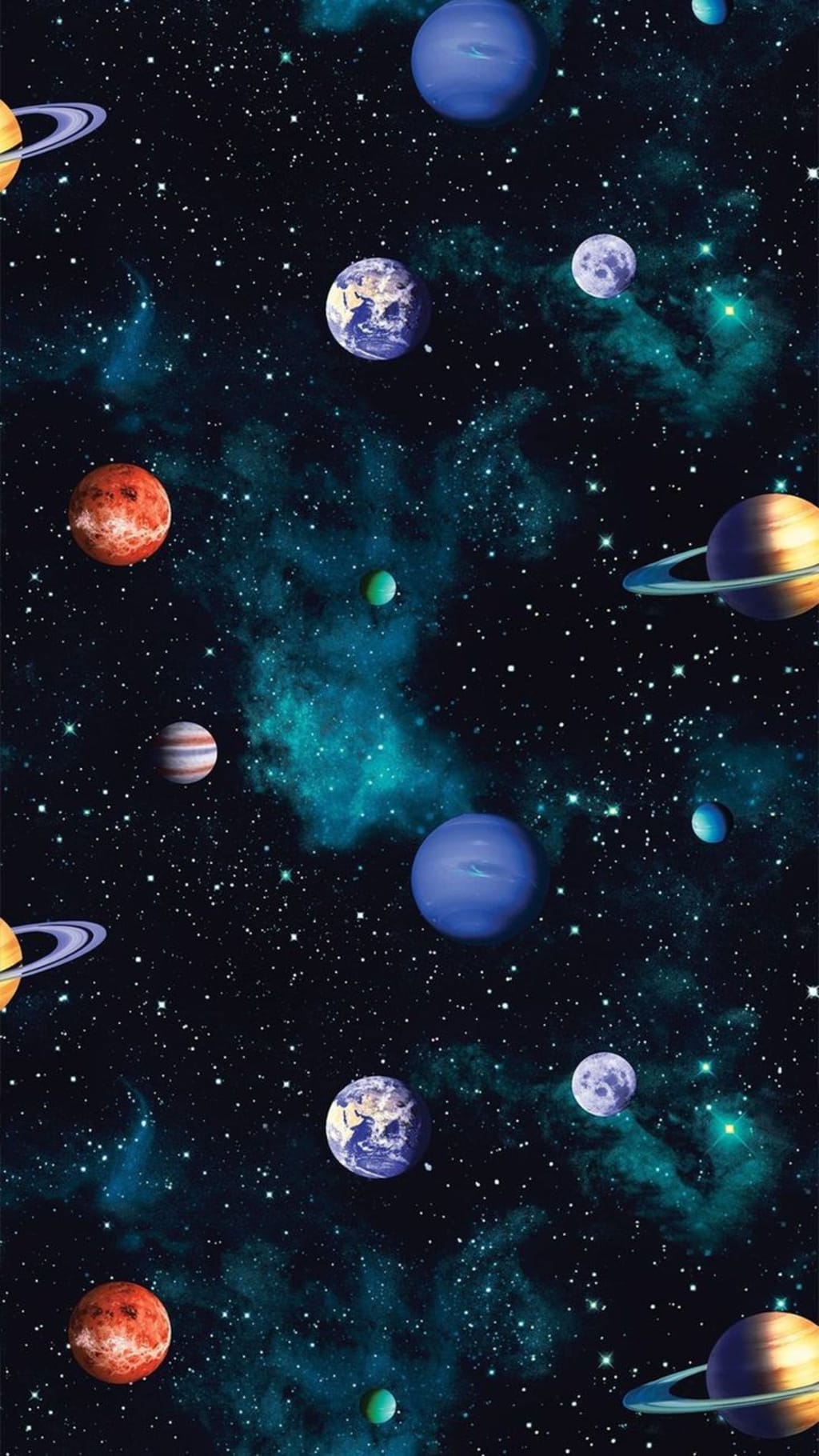
It is difficult to determine exactly how many Earth-like planets may exist in the universe, as our current technology and knowledge only allow us to detect a small fraction of the exoplanets that may be out there. However, based on the data we have so far, it seems likely that there are many Earth-like planets in the universe.
Recent estimates suggest that there may be as many as 300 million potentially habitable planets in the Milky Way galaxy alone. And considering that there are billions of galaxies in the observable universe, the number of Earth-like planets in the universe could be astronomically high.
Of course, finding an Earth-like planet is just the first step in determining if it could support life as we know it. Other factors, such as the planet's atmosphere, magnetic field, and distance from its star, would also need to be considered.
Nonetheless, the possibility of many Earth-like planets in the universe is an exciting prospect for scientists and researchers who are interested in the search for extraterrestrial life.
If there are many Earth-like planets in the universe, it would have significant implications for our understanding of the cosmos and our place within it. Here are a few potential scenarios that could result from the discovery of many Earth-like planets:
1. Life beyond Earth: The discovery of many Earth-like planets would increase the likelihood of life existing elsewhere in the universe. This could range from simple microbial life to complex intelligent civilizations.
2. The search for extraterrestrial intelligence: The discovery of many Earth-like planets would also increase the urgency and importance of the search for extraterrestrial intelligence (SETI). Scientists could use advanced telescopes and other technologies to search for signals or signs of life on other planets.
3. Colonization and exploration: If we discovered many Earth-like planets in the universe, it could inspire new efforts to explore and colonize other planets. This could lead to significant technological advancements and potentially even the establishment of a human presence on other worlds.
4. Philosophical and existential implications: The discovery of many Earth-like planets could also have philosophical and existential implications. It could challenge our perception of our place in the universe and our understanding of what it means to be human.
Overall, the discovery of many Earth-like planets in the universe would be a significant development with far-reaching implications for our understanding of the cosmos and our place within it.
As of now, we don't have enough information to accurately predict what kind of life might exist on other Earth-like planets in the universe. However, based on what we know about Earth and the conditions necessary for life, scientists have identified some potential characteristics of habitable exoplanets.
For a planet to support life as we know it, it needs to be in the habitable zone around its star, where temperatures are not too hot or too cold to support liquid water. Water is considered a key ingredient for life, and so the presence of liquid water is seen as a necessary condition for habitability.
In addition to liquid water, life as we know it also requires certain elements, such as carbon, nitrogen, and oxygen, which are commonly found in the universe. The presence of these elements, along with the right temperature range and other environmental conditions, could potentially support the evolution of life on other planets.
It's worth noting that life on other planets might not necessarily look or function the same way as life on Earth. It's possible that life forms could have evolved in different ways to adapt to their specific environmental conditions.
At this point, we can only speculate about the characteristics of life on other Earth-like planets. However, as technology advances and our understanding of the universe grows, we may be able to gather more information and make more accurate predictions about the potential for life elsewhere in the cosmos.
About the Creator
Worth the Wait: Puerto Viejo, Costa Rica
Beach bumming in a small Caribbean beach town sounded like a perfect way to end our 6-month trip through Mexico and Central America. Or so we thought. The foul, fishy stench of rotten seaweed hit our nostrils as we stepped from the cramped bus and looked out at a rather depressing, empty, and underwhelming black sand beach. It was pouring with rain, and we had to quickly fish out our ponchos. We thought, this couldn’t be it, could it?
By Sh*t Happens - Lost Girl Travel7 days ago in Wander
Lost in Translation: How Getting It Wrong in Asia Taught Me How to Travel Right
My first morning in Hanoi started with a sensory assault. I was sitting on a tiny blue plastic stool, knees touching my chin, watching a woman whisk an egg yolk into a cup of robusta coffee. The air smelled of charcoal smoke, cilantro, and exhaust fumes. It was chaotic, loud, and utterly mesmerizing.
By Eleni N. Markou4 days ago in Wander




Comments
There are no comments for this story
Be the first to respond and start the conversation.