
Dudhsagar Trek – Chasing Waterfalls and Legends Through the Heart of the Western Ghats
Located on the Goa-Karnataka border, Dudhsagar Waterfalls is one of the tallest in India, plunging over 300 meters in full monsoon glory.
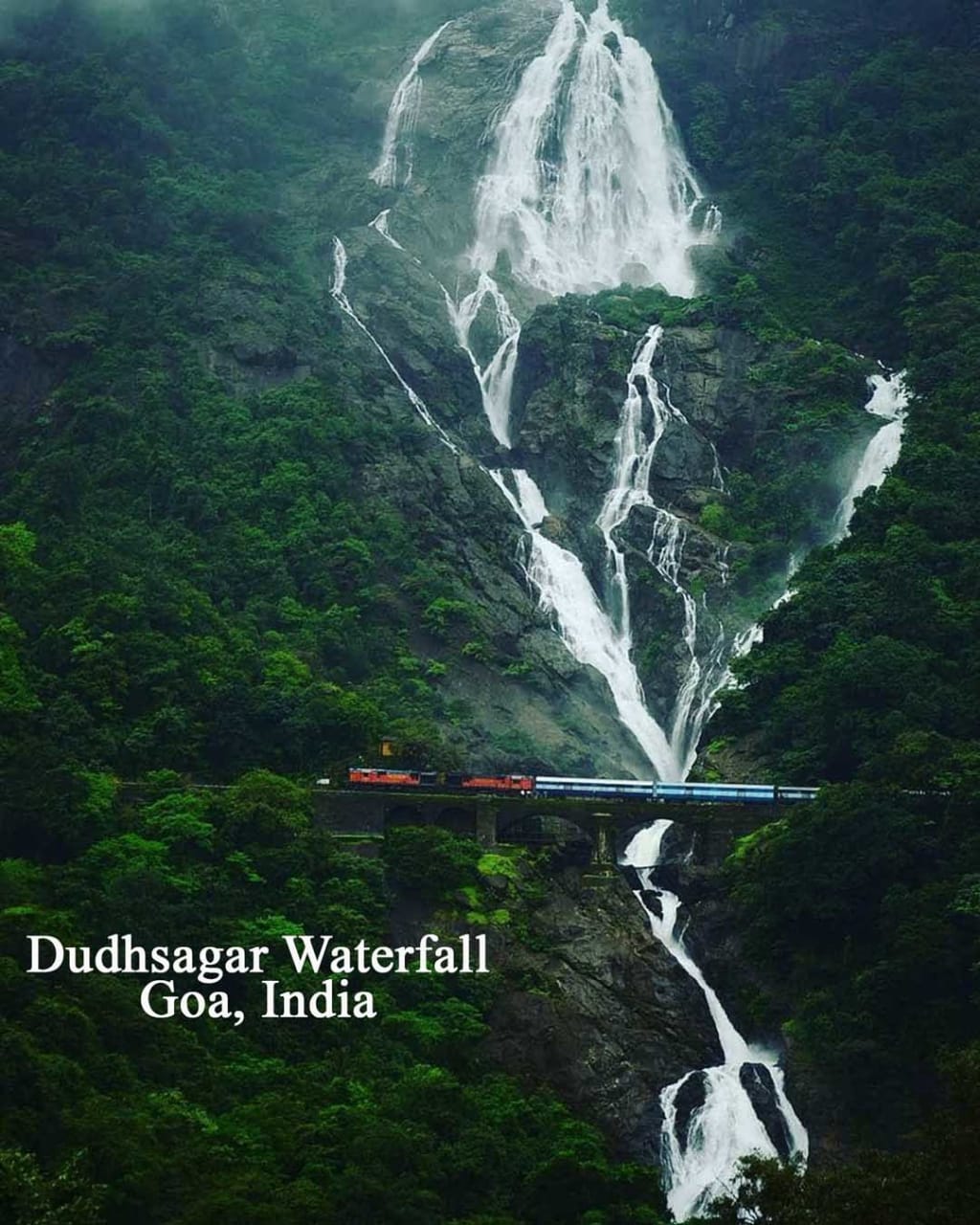
First time I saw a picture of Dudhsagar Falls, I thought it had been photoshopped — a towering white cascade tumbling down a cliff, cutting through green hills like a river of milk. I later learned its name literally means “Sea of Milk” in Hindi. That was the moment this trek found a place on my bucket list.
Located on the Goa-Karnataka border, Dudhsagar Waterfalls is one of the tallest in India, plunging over 300 meters in full monsoon glory. But what makes the Dudhsagar Trek so thrilling isn’t just the destination — it’s the journey through dense forests, railway tracks, tunnels, and streams. Whether you’re a seasoned trekker or just someone craving adventure, this trail packs every bit of excitement you could dream of.
The Trek Route: From Muddy Trails to Thundering Cascades
There are two main routes for the Dudhsagar Trek — one from Kulem Railway Station and another from Castle Rock Station. I chose to start from Kulem, which is the more popular and slightly shorter trail (around 11 km one way). You walk along railway tracks, dodge occasional trains, and cross several tunnels and bridges before reaching the roaring falls.
The sound of the water grows louder with every step, the scent of wet earth hangs in the air, and monkeys occasionally chatter from the trees above. There’s something beautifully cinematic about this route — old railway tunnels dripping with moss, the rhythmic clack of footsteps on gravel, and misty hill slopes surrounding you like a protective cocoon.
And then, suddenly, it appears.
Dudhsagar.
Unreal. Towering. Powerful.
The water doesn’t just fall — it explodes down the cliff with a ferocity that makes you feel both tiny and alive. The railway bridge that crosses right in front of the waterfall is the perfect photo op, and standing there, drenched in spray, I couldn’t help but grin like a kid.
When to Trek to Dudhsagar: Timing the Monsoon Magic
The best time to trek to Dudhsagar is between June and September, when the monsoon rains swell the falls into their full, breathtaking power. But here’s the twist — trekking is officially banned during peak monsoon months due to safety concerns. However, many trekkers still do the trail under the radar, though it comes with risks.
For a safer, legal experience, plan your trek between October and February. The waterfall is still flowing, the weather is pleasant, and you can secure permits more easily. Summers (March to May) are dry and hot, and the falls shrink considerably — not ideal if you’re going for that magical view.
Keep in mind: Indian Railways sometimes restrict access to the railway tracks. Always check with local guides or homestays before planning your route.
What to Pack and How to Prepare for the Dudhsagar Adventure
The Dudhsagar Trek isn’t overly difficult, but it’s long and can get slippery, especially in the monsoon. Here’s what helped me get through it safely.
Essentials:
Comfortable trekking shoes with good grip
Raincoat or poncho
At least 2 liters of water
Snacks, energy bars, and some fruit
A headlamp or flashlight (for tunnels)
Power bank, sunscreen, and a cap
Extra pair of socks and dry clothes
Waterproof bag cover
Guides are available at Kulem and Castle Rock. While many solo travelers prefer doing it themselves, going with a guide adds a layer of safety, especially during foggy or low-visibility conditions.
Pro tip: Avoid plastic bottles and wrappers. The forest is beautiful — let’s keep it that way.
Where to Stay and Eat: Local Life at Its Best
Kulem and Castle Rock both offer a handful of budget homestays and forest lodges, perfect for resting up before or after the trek. I stayed in a modest but clean guesthouse near Kulem — warm hospitality, home-cooked Goan meals, and stories from fellow trekkers made the experience even more memorable.
If you’re heading back to Goa after the trek, there are tons of beach hostels, luxury resorts, and mid-range hotels to choose from. But nothing beats sipping hot chai at a tiny railway platform, feet sore from walking and heart full of adventure.
Food-wise, keep it simple. Eat light before the trek — some poha, idli, or bread omelet should do the trick. Carry snacks for the trail, and don’t expect food stalls along the way. A warm meal post-trek is the real reward — spicy Goan curry or hot dal-rice never tasted better.
Beyond Dudhsagar: Explore More Hidden Treasures Nearby
If you’ve made it to Dudhsagar, why stop there? The Western Ghats are teeming with hidden gems worth exploring:
Tambdi Surla Temple: A 13th-century black basalt temple hidden deep in the forest.
Bhagwan Mahaveer Wildlife Sanctuary: Perfect for birdwatching and shorter treks.
Devil’s Canyon Viewpoint: A dramatic gorge that lives up to its name.
Goa’s spice plantations: Not far from Kulem — great for a cultural detour.
You can combine the Dudhsagar trek with a short Goa itinerary — imagine the contrast of jungle treks in the morning and beach sunsets by evening!
Final Words: Why the Dudhsagar Trek is More Than Just a Hike
The Dudhsagar Waterfall Trek is not just about checking off a popular destination. It’s about every little step — the rustle of leaves, the chill in the tunnels, the anticipation of seeing something grand and wild. It's about reconnecting with nature, with your body, and sometimes even with complete strangers who become friends by the end of the trail.
If you love offbeat treks in India, railway trail adventures, or just want to feel nature in its raw, unfiltered state, Dudhsagar is calling.
And trust me, it’s a call worth answering.
About the Creator
Rohit SEN
Hey! Come along with me to explore beautiful places, learn about different cultures, and share my adventures. Let's Explore together! From a travel lover!
What I Learned Is Considered Disrespectful in Morocco by Morocco Family Vacation
Before visiting Morocco with my family, I read countless articles about customs, etiquette, and cultural differences. Still, I worried I’d make a mistake especially traveling as a mom with children who ask questions loudly, touch everything, and don’t always understand unspoken rules.
By Ariel Cohen2 days ago in Wander
What a Truly Comfortable Travel Experience Feels Like — Beyond Hotels and Flights
When people talk about comfortable travel, the conversation usually revolves around hotels, flight classes, or airport lounges. While these details matter, comfort in travel often comes from something less visible: how smoothly everything fits together.
By Jeffrey Mathew6 days ago in Wander
The Devil's Cut
“Comrade, finally you’re awake.” The voice was smooth, sensual. A flickering incandescent bar was all that lit the white, sterile room. All Vladimir remembered was everything going black. He tried to move his arms and found them strapped to the gurney.
By Matthew J. Fromm6 days ago in Fiction


Comments
There are no comments for this story
Be the first to respond and start the conversation.