
Discover the Rich Cultural Heritage and Vibrant Celebrations of Sikkim Festivals
Sikkim Festival: A Colorful Celebration of Culture and Tradition
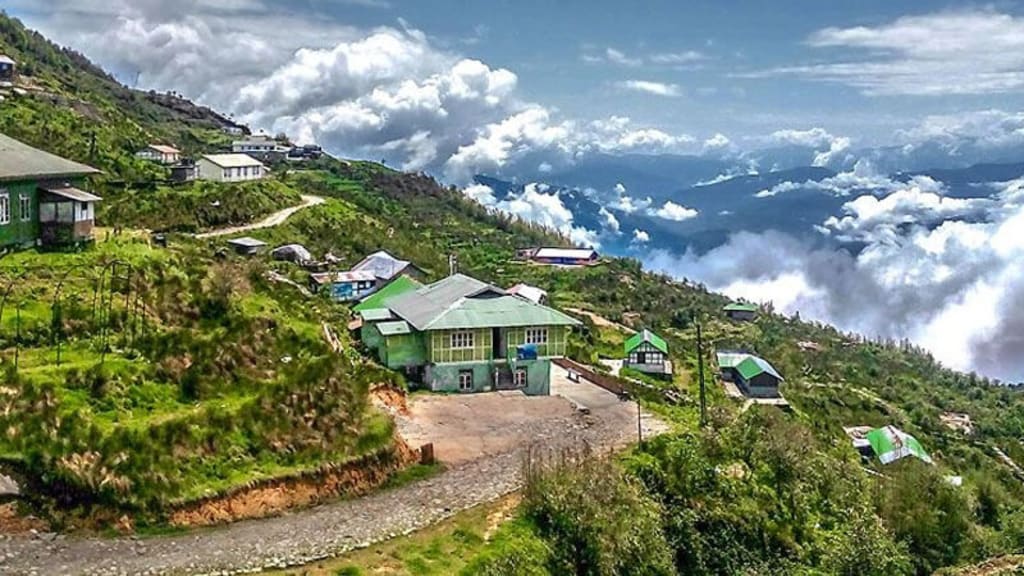
Sikkim is a small yet enchanting state nestled in the Eastern Himalayas. It is famous not just for its stunning views but also for its rich cultural tapestry, expressed vividly through its myriad festivals. The Sikkim festival scene is a colorful blend of traditions, rituals and celebrations that reflect the diverse communities inhabiting the region. From vibrant dances to exquisite local cuisines, the festivals of Sikkim offer a unique glimpse into the heart and soul of its people.
A Cultural Mosaic
The festivals of Sikkim are a reflection of the state’s ethnic diversity, with various communities including the Lepchas, Bhutias, and Nepalis celebrating their unique heritage. This diversity is celebrated through a multitude of festivals throughout the year, each with its own significance, rituals and customs.
Losar: The Tibetan New Year
One of the most significant Sikkim festivals is Losar, the Tibetan New Year, celebrated by the Bhutia community. This vibrant festival marks the beginning of the lunar calendar and is a time for family gatherings, feasting, and traditional rituals. Festivities typically last for several days, featuring colorful decorations, traditional attire, and cultural performances. People visit monasteries to offer prayers, and the streets come alive with music, dance, and the scent of traditional delicacies such as ‘guthuk’ (a special soup) and various rice dishes. Losar not only symbolizes renewal and hope but also strengthens community bonds.
Bhaisakh Purnima: A Sacred Celebration
Another notable festival in Sikkim is Bhaisakh Purnima, celebrated by both Hindus and Buddhists. This auspicious day is dedicated to the worship of Lord Buddha and holds immense religious significance. Monasteries across Sikkim are beautifully decorated, and devotees gather to offer prayers and perform rituals. The celebration also involves the creation of colorful ‘mandalas’ and the chanting of prayers. Bhaisakh Purnima is a perfect example of how different faiths coexist harmoniously in Sikkim, making it one of the most inclusive Sikkim festivals.
Dasain: The Grand Hindu Festival
Dasain, also known as Vijaya Dashami, is one of the most celebrated Hindu festivals in Sikkim. It typically falls in September or October and lasts for several days. The festival symbolizes the victory of good over evil and is marked by elaborate rituals, family reunions, and feasting. Homes are adorned with flowers and lights, and families come together to worship the goddess Durga. During Dasain, people perform animal sacrifices, a tradition deeply rooted in the cultural practices of the Nepali community. The festival culminates in a grand celebration, where families share meals and exchange blessings.
Maghe Sankranti: Welcoming the Sun
Maghe Sankranti, celebrated primarily by the Nepali community, marks the winter solstice and the transition of the sun into the zodiac sign of Capricorn. This festival signifies the end of the winter season and the beginning of longer days. Families prepare traditional dishes made from sesame seeds, molasses, and yam, symbolizing warmth and prosperity. The day is marked by rituals to honor ancestors, and communities gather to share meals and festivities, reinforcing social bonds and cultural values.
Sikkimese New Year: The Cultural Kaleidoscope
The Sikkimese New Year, or "Sonam Lhosar," is another significant festival that showcases the unique cultural heritage of Sikkim. Celebrated by the Lepcha and Bhutia communities, it typically falls in February or March. The festivities include traditional dances, music, and a range of local delicacies. One of the highlights of Sonam Lhosar is the 'Chhabrung' dance, performed in traditional attire, which adds to the vibrancy of the celebrations. This festival serves as a reminder of the rich history and traditions that have shaped Sikkim over the centuries.
Other Noteworthy Festivals
In addition to these prominent festivals, Sikkim hosts several other celebrations that reflect its cultural richness. The Flower Festival in Gangtok showcases the region's diverse flora, attracting locals and tourists alike. The Pang Lhabsol festival honors the guardian deity of Sikkim and is marked by traditional dances and rituals. Similarly, the Chhath Puja, celebrated by the Nepali community, is a significant festival dedicated to the Sun God and involves elaborate rituals along riverbanks.
Conclusion: A Celebration of Unity in Diversity
The festivals of Sikkim are a beautiful expression of its cultural diversity, where traditions and customs come together in a harmonious blend. Each festival, with its unique rituals and significance, tells a story of the people, their beliefs, and their way of life. Visitors to Sikkim during these festive times are treated to a spectacle of colors, sounds, and flavors that leave a lasting impression.
The Sikkim festival scene not only serves as a means of cultural preservation but also promotes unity among different communities. As locals and visitors come together to celebrate these vibrant occasions, they partake in a shared experience that transcends individual backgrounds. Whether it’s the rhythmic beats of traditional dances or the aroma of local delicacies, the essence of Sikkim’s festivals lies in the spirit of togetherness.
For those seeking to experience the rich cultural heritage of Sikkim, attending its festivals is an unmissable opportunity. The state’s festivals are more than just events; they are a celebration of life, community, and the enduring spirit of the people of Sikkim. So, whether you’re a traveler or a cultural enthusiast, immerse yourself in the kaleidoscope of Sikkim’s festivals and discover the warmth and hospitality of this extraordinary Himalayan state.
About the Creator
Keep reading
More stories from Kajal Singh and writers in Wander and other communities.
Explore the Majestic Himalayas: Your Guide to Darjeeling Gangtok Tour Packages
The amazing hill stations of Darjeeling and Gangtok are two of India’s most celebrated travel destinations. Nestled in the eastern Himalayas, these regions are known for their breathtaking views, vibrant culture and rich history. Whether you’re a nature lover, an adventure seeker or someone looking to immerse yourself in local traditions, Darjeeling Gangtok tour packages offer the perfect opportunity to explore the best of both worlds. This comprehensive guide will help you understand the various tour packages available and what you can expect from your journey.
By Kajal Singhabout a year ago in Wander
Eating in Morocco With Food Allergies by Morocco Family Vacation
Traveling with food allergies is stressful no matter where you go. Traveling with kids who have food allergies can feel overwhelming. When we planned our family trip to Morocco, this was the part that worried me the most. I kept asking myself the same questions: Would people understand allergies? Would language be a barrier? Would I be constantly on edge at every meal?
By Ariel Cohen7 days ago in Wander
Is Driving Safe in Morocco for Families? by Morocco Family Vacation
Before our family trip to Morocco, one question kept coming back to me: Is it safe to drive in Morocco with kids? I had read mixed opinions online, some reassuring, others intimidating. As a mom responsible for more than just my own comfort, I needed to be sure we were making the right decision.
By Ariel Cohen7 days ago in Wander
Rachel Reviews: The Spiral Archive by Pieter Hendrik
It's difficult for me to know where to start with a review of this book as it was, for me, an entirely unique experience and one that I'll probably never have again. I don't want that to be interpreted as unenjoyable but it has left me scratching my head a little and ruminating on its content, its themes and its characters.
By Rachel Deeming7 days ago in BookClub


Comments
There are no comments for this story
Be the first to respond and start the conversation.