
Discover the Majestic Lingaraj Temple in Bhubaneswar
Explore the rich history, architecture, and cultural significance of Lingaraj Temple in Bhubaneswar, Odisha. Learn about its timings, festivals, and how to visit this iconic Shiva shrine.

Introduction to Lingaraj Temple
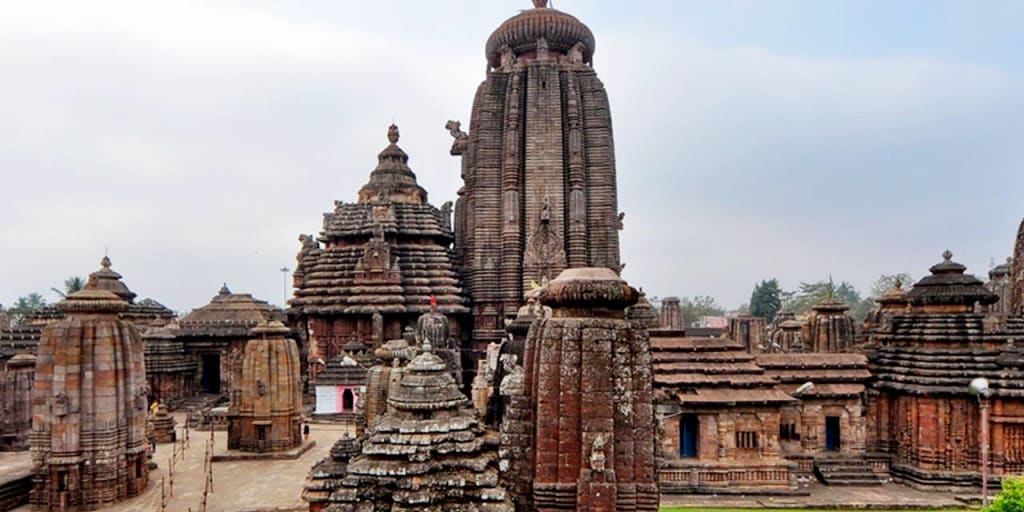
Situated in the heart of Bhubaneswar, Odisha, the Lingaraj Temple stands as a monumental testament to India's rich spiritual and architectural heritage. Dedicated to Lord Shiva, this temple is not only the largest in Bhubaneswar but also one of the most revered in the country. Its intricate design and historical significance draw thousands of devotees and tourists annually, making it a must-visit destination for those exploring the cultural tapestry of India.
Historical Significance of Lingaraj Temple
The origins of the Lingaraj Temple trace back to the 11th century, attributed to King Jajati Keshari of the Somavamsi dynasty. However, some historical accounts suggest that the worship of the self-manifested (Swayambhu) Shiva Linga within the temple predates this period, possibly to the 7th century. The temple's name, "Lingaraj," translates to "King of Lingas," symbolizing its paramount status among Shiva temples. Over the centuries, the temple has undergone various renovations and additions, reflecting the evolving architectural styles and religious practices of the region.
Architectural Marvel: The Structure of Lingaraj Temple
The Lingaraj Temple Bhubaneswar is a masterpiece of Kalinga architecture, characterized by its towering spires and intricate carvings. The temple complex encompasses several structures, each serving a distinct purpose in the religious practices of the devotees.
Main Sanctum (Vimana)
At the heart of the temple lies the sanctum, known as the Vimana, which houses the primary deity, the Shiva Linga. The Linga is approximately 8 feet in diameter and 8 inches in height, symbolizing the formless aspect of Shiva. The sanctum's tower rises to a height of 180 feet, dominating the Bhubaneswar skyline and exemplifying the grandeur of ancient Indian temple architecture.
Assembly Hall (Jagamohana)
Adjacent to the sanctum is the Jagamohana, the assembly hall where devotees gather for communal worship and rituals. This hall is renowned for its ornate carvings and the perforated windows adorned with images of lions, showcasing the artistic prowess of the craftsmen.
Festival Hall (Nata Mandira)
The Nata Mandira, or festival hall, is used for various religious ceremonies and cultural events. Its design reflects the temple's commitment to accommodating the dynamic aspects of worship and community gatherings.
Hall of Offerings (Bhoga Mandapa)
The Bhoga Mandapa is where offerings are presented to the deity. The hall's pyramidal roof and sculpted exteriors enhance the spiritual ambiance, making it an integral part of the temple's ritualistic practices.
Lingaraj Temple Timings and Festivals
The temple remains open daily, allowing devotees to partake in its spiritual offerings. The daily rituals commence early in the morning and continue until late evening, with specific timings for various ceremonies. Among the numerous festivals celebrated, Mahashivaratri stands out as the most significant, attracting a multitude of devotees who engage in fasting, night vigils, and prayers. Other notable festivals include Ashokashtami, Chandan Yatra, and Rath Yatra, each marked by unique rituals and vibrant processions.
Visiting Lingaraj Temple: Accessibility and Location
Located in the Old Town area of Bhubaneswar, the Lingaraj Temple Road is easily accessible from various parts of the city. The temple is approximately 4.4 km from Biju Patnaik International Airport and about 4.8 km from Bhubaneswar Railway Station, making it convenient for travelers to reach. Local transportation options, including auto-rickshaws and taxis, are readily available for visitors.
Cultural and Religious Importance
The Lingaraj Temple Bhubaneswar serves as a focal point for the Shaiva community and plays a pivotal role in the religious landscape of Odisha. It symbolizes the harmonious coexistence of Shaivism and Vaishnavism, reflecting the inclusive nature of Hindu worship. The temple's rituals and festivals foster a sense of community and continuity, preserving ancient traditions while adapting to contemporary practices.
Architectural Highlights and Sculptural Details
The temple's architecture is distinguished by its meticulous craftsmanship and symbolic designs. The exterior walls are adorned with detailed sculptures depicting deities, celestial beings, and mythological narratives, offering insights into Hindu cosmology and iconography. The use of sandstone and laterite in construction not only adds to the aesthetic appeal but also demonstrates the advanced engineering techniques of the era.
Preservation and Conservation Efforts
Recognizing the historical and cultural significance of the Lingaraj Temple, various conservation initiatives have been undertaken to preserve its structural integrity and artistic elements. Collaboration between governmental bodies and heritage organizations ensures that the temple remains a living monument, accessible to future generations while maintaining its sanctity and grandeur.
Conclusion
The Lingaraj Temple in Bhubaneswar stands as a monumental symbol of India's rich spiritual heritage and architectural brilliance. Its historical depth, coupled with its architectural magnificence, makes it a significant landmark for both devotees and visitors interested in exploring the cultural tapestry of Odisha. A visit to this temple offers a profound experience, providing insights into the religious practices, artistic expressions, and historical narratives that have shaped the region's identity.
About the Creator
Akash
Akash is a tour guide consultant who provides advice and guidance to the Indian tourist regarding their travel
related queries in the best possible way to satisfy the customers.
Worth the Wait: Puerto Viejo, Costa Rica
Beach bumming in a small Caribbean beach town sounded like a perfect way to end our 6-month trip through Mexico and Central America. Or so we thought. The foul, fishy stench of rotten seaweed hit our nostrils as we stepped from the cramped bus and looked out at a rather depressing, empty, and underwhelming black sand beach. It was pouring with rain, and we had to quickly fish out our ponchos. We thought, this couldn’t be it, could it?
By Sh*t Happens - Lost Girl Travel9 days ago in Wander
What Makes Overwater Dreams So Irresistible (And Why They're Here to Stay)
Overwater accommodation represents one of hospitality's most enduring innovations. These structures suspended above tropical waters continue capturing imaginations decades after their introduction, proving their appeal extends far beyond fleeting trends.
By Claudia Fennel5 days ago in Wander



Comments
There are no comments for this story
Be the first to respond and start the conversation.