
Discover Everything You Need to Know About Leh Palace
Explore detailed information about Leh Palace, its architecture, rich history, and what to see inside Leh Palace. A complete guide for travelers and history lovers.

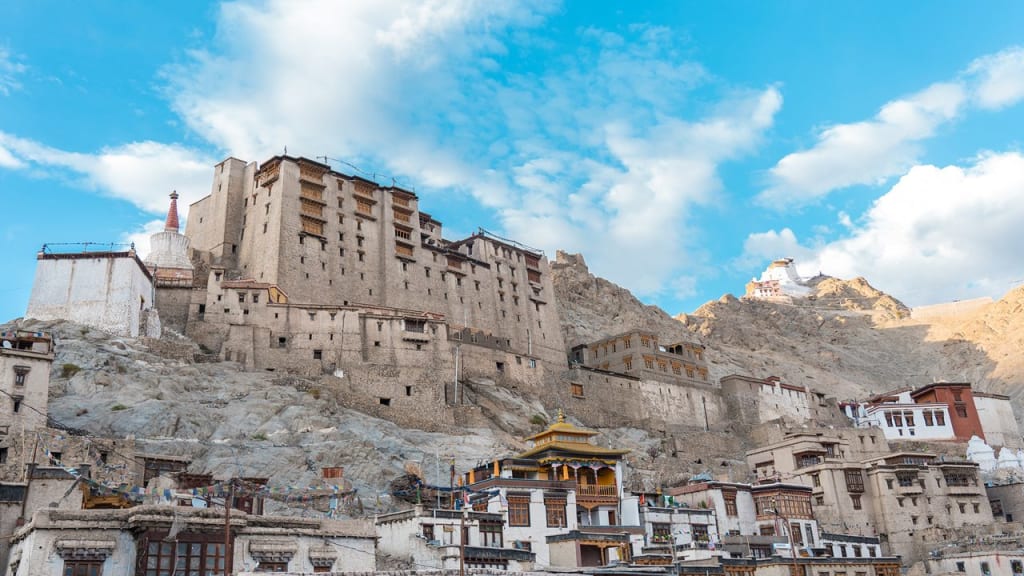
High in the Himalayas, nestled in the breathtaking landscape of Ladakh, stands a majestic reminder of a bygone era — the Leh Palace. This ancient structure is not just a monument made of stone and wood, but a symbol of Ladakhi heritage and royal pride. Built in the 17th century, the palace remains one of the most iconic sights in the region, drawing tourists, historians, and curious wanderers from all over the world. If you’ve ever been curious about Leh Palace, this article is your complete guide to its past, present, and the wonders hidden within its thick walls.
Leh Palace History: The Royal Seat of the Namgyal Dynasty
To truly appreciate the beauty and significance of this palace, it’s essential to delve into Leh Palace history. The construction of the palace began in the early 1600s under the reign of King Sengge Namgyal, a powerful ruler of the Namgyal dynasty. This dynasty played a crucial role in shaping the cultural and political landscape of Ladakh, and the palace was built as a royal residence that would reflect their stature and influence.
Leh Palace was inspired by the Tibetan style of architecture, particularly resembling the famous Potala Palace in Lhasa. With nine stories towering above the city of Leh, the palace once housed the royal family on its upper floors while the lower levels were used for stables, storage, and other administrative purposes. The palace served as a stronghold and a cultural center during a time when Ladakh flourished as a key player in trans-Himalayan trade routes.
Unfortunately, after the Dogra invasion in the 19th century, the Namgyal rulers were forced to abandon the palace and relocate. Since then, the structure stood mostly as a relic, slowly aging under the weight of time and weather. However, recent restoration efforts by the Archaeological Survey of India have helped preserve much of its grandeur, making it a treasure trove for anyone interested in Leh Palace history.
Architecture and Design: A Marvel of Tibetan Influence
The design of Leh Palace is both practical and beautiful. Built with local materials like wood, mud, stones, and sand, the palace blends perfectly into the surrounding mountains. Its thick walls keep the cold out during Ladakh’s harsh winters, while its small windows allow just enough light to seep into its otherwise dim, mysterious interiors.
The layout is strategic. From the top floors, you get a sweeping panoramic view of the Stok Kangri mountains, the bustling town of Leh, and the vast stretches of desert terrain below. The palace’s alignment and structure also demonstrate advanced knowledge of building techniques that were perfectly adapted to the challenges of high-altitude construction.
The architecture isn't just about functionality — it tells stories. The murals, prayer rooms, and wooden balconies still bear the marks of Ladakh’s spiritual and artistic history. Walking through its corridors, one can imagine what life must have been like for the royals and courtiers who once called this place home.
Inside Leh Palace: What Awaits Modern-Day Visitors
If you’re wondering what you’ll find inside Leh Palace, prepare to step into a world that feels frozen in time. Though time and neglect have worn down much of the original decor, the palace still holds several preserved rooms and galleries that give insights into the lives of Ladakh’s former royals.
One of the most fascinating features inside Leh Palace is the collection of old paintings and photographs, many of which date back over 450 years. These artworks, though faded, still carry the essence of Buddhist culture and Ladakhi traditions. Ancient manuscripts and thangka (Buddhist scroll paintings) are also on display, offering a rare peek into the spiritual life that was deeply interwoven with royal duties.
There is also a small museum curated within the palace, showcasing items like ceremonial dresses, jewelry, and historical weaponry. Each artifact tells its own tale of war, peace, faith, and royalty. As you explore, the quiet air, the cold stone floors, and the distant sounds of the wind outside all work together to transport you back to a different age.
The Palace Today: Symbol of Ladakh’s Identity
Today, Leh Palace stands not just as a tourist attraction, but as a symbol of resilience and cultural identity. Even in its partial ruin, it speaks volumes about the strength of the people who built it and lived within its walls. The palace has become a focal point for cultural events, photography, and research, drawing a diverse group of visitors who come not just to admire its structure but to feel its soul.
Efforts are ongoing to maintain and restore more parts of the palace without disturbing its original design. The blend of modern conservation with ancient architecture creates a unique space where history is not just remembered but actively preserved. Visiting the palace isn’t just about sightseeing — it’s about participating in the life of Ladakh’s past and its ongoing story.
Best Time to Visit and Travel Tips
If you’re planning a trip, the best time to visit Leh Palace is between May and September when the weather is most favorable. During these months, the skies are clear, roads are open, and the natural beauty of Ladakh is at its peak. Reaching the palace requires a short climb through the narrow streets of Leh, but the effort is well worth it for the view and experience.
Photography enthusiasts will especially love the golden hours of sunrise and sunset, when the light bathes the palace in warm tones, creating unforgettable scenes. Carry water, wear comfortable shoes, and be ready to absorb a lot of history in a single visit.
Conclusion: More Than Just a Monument
Learning about Leh Palace gives us more than just facts about an old building; it offers a window into the soul of Ladakh. From its royal beginnings and strategic design to what lies inside Leh Palace and its current role in cultural preservation, the palace stands as a timeless symbol of strength, spirituality, and artistry. For anyone eager to understand the deeper layers of Himalayan history and architecture, a visit to this remarkable site is not just recommended — it’s essential.
About the Creator
Saurabh Sharma
Passionate traveler and trekker. I've been to North India many times, but its beauty always feels new. From stunning mountain trails to warm local experiences, every trip is special. Come along as I explore the magic of the Himalayas.
Keep reading
More stories from Saurabh Sharma and writers in Wander and other communities.
Discover the Stunning Beauty of Hawa Mahal in Jaipur Today
The Hawa Mahal, also known as the "Palace of Winds," is one of the most iconic landmarks in India. Located in the heart of Jaipur, the capital city of Rajasthan, it is a beautiful blend of history, art, and architecture. Built in 1799 by Maharaja Sawai Pratap Singh, this magnificent palace was designed by Lal Chand Ustad, a skilled architect of his time. Its unique structure, resembling a honeycomb, has captured the imagination of visitors worldwide. The palace stands as a testament to the rich heritage and royal lifestyle of the Rajput kings.
By Saurabh Sharma10 months ago in Wander
Worth the Wait: Puerto Viejo, Costa Rica
Beach bumming in a small Caribbean beach town sounded like a perfect way to end our 6-month trip through Mexico and Central America. Or so we thought. The foul, fishy stench of rotten seaweed hit our nostrils as we stepped from the cramped bus and looked out at a rather depressing, empty, and underwhelming black sand beach. It was pouring with rain, and we had to quickly fish out our ponchos. We thought, this couldn’t be it, could it?
By Sh*t Happens - Lost Girl Travel8 days ago in Wander
Turkey: Take THEM With You.
The first time I went to Istanbul, I went with my sister. The second time, I brought family. Picture from the trip. Same city. Same accommodation - right in the center of everything, the spot we'd found the first time and couldn't justify leaving.
By Destiny S. Harris7 days ago in Wander




Comments
There are no comments for this story
Be the first to respond and start the conversation.