
Digital Nomads
How Remote Workers are Changing Travel Trends.
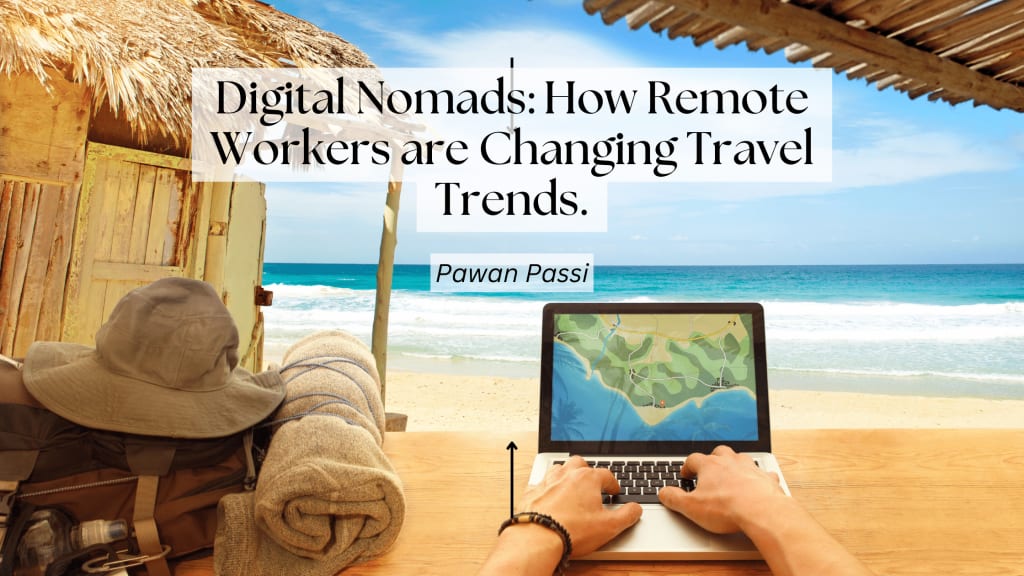
Since 2020, there has been an increase in remote workers as well as an influx of digital nomads, individuals who travel while working from wherever their current location may be. The rise of digital nomadism has significantly reshaped the landscape of modern travel. As technology advances, more individuals are embracing the freedom to work remotely, transforming how people live and travel. This shift has influenced various aspects of travel, from destinations and accommodations to local economies and cultural exchange.
One of the most noticeable impacts of digital nomadism is the emergence of new travel hotspots that cater specifically to remote workers. Cities and regions that offer reliable internet, co-working spaces, and affordable living costs have become popular among digital nomads. Destinations such as Bali, Chiang Mai, Medellín, and Lisbon have seen a surge in long-term visitors who contribute to local economies year-round rather than just during peak tourist seasons.
These locations have gained popularity because they provide a balance of work and leisure, with ample opportunities for adventure, cultural immersion, and relaxation. The influx of digital nomads has prompted local businesses to adapt, offering services and amenities that cater to this new type of traveler. Coffee shops with strong Wi-Fi, extended rental options, and community events for remote workers are now common in many digital nomad hubs.
Another shift has been in the accommodation trends and availability. Long-term rental options are increasingly supplementing traditional short-term accommodations like hotels and hostels. Platforms like Airbnb and Booking.com have responded by promoting listings suitable for extended stays, such as homestays and villas. These stays also have amenities that appeal to remote workers, such as dedicated workspaces and high-speed internet.
New accommodation models tailored to the needs of digital nomads have emerged. Coliving spaces, which combine living and working environments, are gaining popularity. These spaces offer private or shared living quarters, co-working areas, and a sense of community, making it easier for remote workers to settle into new locations and build social networks.
Now let's look at how digital nomadism impacts local economies:
Digital nomadism profoundly impacts local economies, particularly in regions that were previously off the beaten path for traditional tourists. Digital nomads contribute to the economy more consistently than short-term tourists by living in a location for months or even years. They spend money on accommodation, food, transportation, and leisure activities, supporting local businesses and creating job opportunities.
Furthermore, the presence of digital nomads often leads to knowledge and skill exchange with local communities. Workshops, networking events, and collaboration between locals and nomads can foster innovation and entrepreneurship, benefiting the community at large.
It is also noteworthy that the influx of digital nomads into new regions brings about significant cultural exchange. Digital nomads can immerse themselves in local cultures, learn new languages, and experience different ways of life. This cultural exchange goes both ways, as locals are exposed to diverse perspectives and new ideas brought by the nomads.
However, this trend also presents challenges. The arrival of a large number of remote workers can drive up the cost of living in some areas, potentially displacing local residents. To mitigate these effects, it is essential for digital nomads to engage responsibly with their host communities, respect local customs, and contribute positively to the areas in which they reside.
As the concept of remote work becomes more mainstream, the digital nomad lifestyle is expected to continue growing. Companies are increasingly recognizing the benefits of flexible work arrangements, and more employees are seeking the freedom to work from anywhere. This shift is likely to expand the range of destinations and create new opportunities for travel businesses to cater to this demographic.
About the Creator
Pawan Passi
Pawan Passi is a professional, leader, and explorer based in New York. He is a senior executive who loves to travel the world. Visit PawanPassi.org for more.
Keep reading
More stories from Pawan Passi and writers in Wander and other communities.
Meet Pawan Passi of New York City
Pawan Passi stands out as a beacon of professional excellence and personal passion in the bustling heart of New York City, where ambition meets opportunity. A distinguished executive with a career spanning decades, Pawan has carved a niche for himself in the competitive world of business leadership. Yet, to those who know him best, Pawan is much more than his impressive resume – he's a world traveler, a sports enthusiast, and deeply committed to ethical leadership.
By Pawan Passiabout a year ago in 01
Weather in Morocco in August By Morocco Family Vacation
When I first planned our summer trip to Morocco in August, I had mixed feelings. I knew Morocco was hot in the summer, but I wasn’t sure how my kids would handle the heat. Traveling with two children my 7-year-old and 10-year-old means considering naps, hydration, sun protection, and activity pacing more than anything else. I wanted an adventure, but I also wanted it to be safe and enjoyable for them.
By Ariel Cohen3 days ago in Wander


Comments (1)
Interesting and delicious content, keep posting more.