
Cu Chi Tunnels: Everything You need to Know Before Go
Cu Chi Tunnels—an essential experience for any traveler seeking to understand the soul of Vietnam.

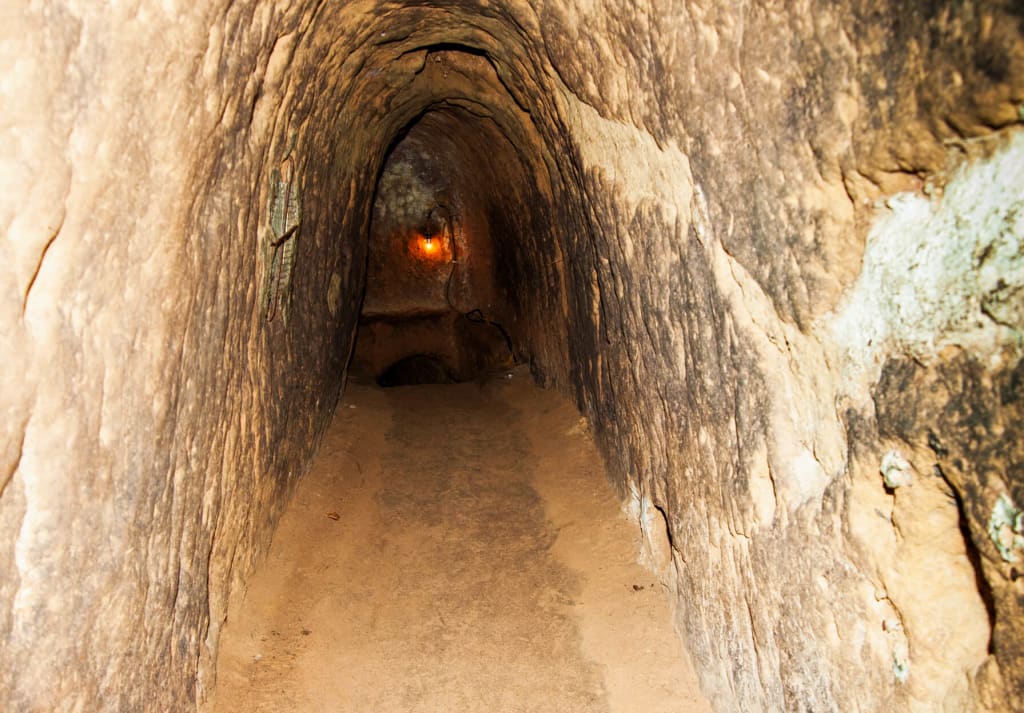
When you think of Vietnam, perhaps your mind goes to endless rice paddies, buzzing motorbikes, or steaming bowls of pho. But just outside the vibrant chaos of Ho Chi Minh City lies a network of underground tunnels that whisper a very different story—one of resistance, survival, and sheer determination. Welcome to the Cu Chi Tunnels—an essential experience for any traveler seeking to understand the soul of Vietnam.
Visiting Cu Chi is not your average sightseeing tour. It’s raw, immersive, and deeply educational. Whether you're a history lover or just a curious traveler, exploring these tunnels will change the way you see war, endurance, and the Vietnamese people.
1. A Glimpse into Vietnam’s Underground Resistance
Beneath the tranquil forest floor of Cu Chi lies a complex labyrinth of underground tunnels, stretching over 200 kilometers. Originally constructed in the 1940s during the fight against French colonialism, the tunnels became a key stronghold for the Viet Cong during the Vietnam War.
These weren’t just escape routes—they were fully functioning bases. Think underground kitchens, clinics, command centers, and sleeping quarters. Imagine living for months in a dark, narrow space no taller than your chest, while bombs rained above. It’s hard to believe until you see it for yourself.
Today, the preserved tunnels offer visitors an intimate, often emotional, look into the daily struggles and strategies of wartime life.
2. What It’s Like to Visit the Cu Chi Tunnels
The tour starts with a brief introduction video—footage from the wartime era that outlines how Cu Chi became a strategic battleground. What follows is a walk through history: life-size exhibits of booby traps, disguised air vents, and interactive displays of Viet Cong tactics.
You’ll learn how soldiers cooked with smokeless ovens to stay hidden, and how ingenious ventilation systems allowed them to breathe underground for days. You’ll also be invited to crawl through restored tunnel segments—some widened slightly to accommodate modern visitors, but still claustrophobic enough to appreciate the challenge.
It’s one thing to read about guerrilla warfare in a book. It’s quite another to crouch through the same narrow tunnels, heart pounding in the dark.
3. Ben Dinh vs. Ben Duoc: Choosing Your Experience
There are two main sites where visitors can explore the Cu Chi Tunnels:
Ben Dinh is more developed, with wider tunnels and more tourists. It's located closer to Ho Chi Minh City and offers a slightly less intense, but still informative, experience. Ideal if you're short on time or nervous about the tunnels.
Ben Duoc is farther out and less touristy, with original, narrower tunnels and a more authentic feel. It’s perfect for those looking for a deeper, more powerful connection to the site, though it requires a bit more time and stamina.
Both sites are educational, but the tone and intensity differ slightly. If you want raw emotion and realism, go for Ben Duoc. If you’re looking for something shorter and more accessible, Ben Dinh is a solid choice.
4. Getting There and Planning Your Visit
The Cu Chi Tunnels are located about 60–70 km from Ho Chi Minh City, and most visitors opt for organized tours. A guided half-day or full-day trip is the best way to gain context, avoid logistical hassle, and make the most of your visit.
Options include:
Group bus tours – budget-friendly and informative
Private tours – more personal and flexible
Speedboat tours – scenic, with a peaceful ride along the Saigon River
Tours usually cost between $25 to $70 USD, depending on what’s included. Be sure to book through a reputable provider that offers licensed guides.
5. Tips for a Meaningful (and Comfortable) Visit
Claustrophobic? You can skip crawling through the tunnels and still get a lot out of the tour.
Dress light and wear closed shoes – the jungle setting is humid, and there’s some walking involved.
Bring water and insect repellent, especially in the warmer months.
Be respectful: while photo ops are welcome, remember that this is also a war memorial.
Want something more immersive? Combine your visit with a trip to the Cao Dai Temple or an afternoon in the Mekong Delta for a broader cultural experience.
6. What the Cu Chi Tunnels Teach Us
The Cu Chi Tunnels aren’t just about military strategy—they’re a lesson in resilience. The people who lived here did so out of necessity, not choice. They endured unimaginable hardships, yet found ways to survive, resist, and defend their land with limited resources.
Whether you're interested in history or simply want to understand Vietnam more deeply, this experience goes beyond tourism. It’s humbling, thought-provoking, and stays with you long after you leave.
Final Thoughts: A Journey Beneath the Surface
The Cu Chi Tunnels tour is more than a day trip—it’s a journey through one of the most significant, and sobering, chapters of Vietnam’s past. It gives faces and voices to stories often lost in textbooks and makes you appreciate both the cost of conflict and the strength of the human spirit.
When you're next in Ho Chi Minh City, make time for this experience. Go beyond the surface—and into the heart of history.
About the Creator
Rohit SEN
Hey! Come along with me to explore beautiful places, learn about different cultures, and share my adventures. Let's Explore together! From a travel lover!
Worth the Wait: Puerto Viejo, Costa Rica
Beach bumming in a small Caribbean beach town sounded like a perfect way to end our 6-month trip through Mexico and Central America. Or so we thought. The foul, fishy stench of rotten seaweed hit our nostrils as we stepped from the cramped bus and looked out at a rather depressing, empty, and underwhelming black sand beach. It was pouring with rain, and we had to quickly fish out our ponchos. We thought, this couldn’t be it, could it?
By Sh*t Happens - Lost Girl Travel9 days ago in Wander
Langtang Valley Trek: The Complete Guide to Nepal's Hidden Himalayan Gem
If you are searching for a trek that combines breathtaking mountain scenery, rich Tamang culture, and an off-the-beaten-path adventure the Langtang Valley Trek is your answer. Nestled just 50 kilometers north of Kathmandu, Langtang is one of Nepal's most accessible and rewarding trekking destinations. Often overshadowed by the fame of Everest Base Camp and the Annapurna Circuit, this Himalayan trek offers an equally spectacular experience without the crowds. Whether you are a first-time trekker or a seasoned adventurer, the Langtang Valley Trek promises soaring peaks, dense rhododendron forests, ancient monasteries, and warm hospitality that will stay with you long after you return home.
By RP Adventures3 days ago in Wander




Comments
There are no comments for this story
Be the first to respond and start the conversation.