
Chandrakhani Pass Trek: A Hidden Gem in the Himalayas for Adventure Enthusiasts
Chandrakhani Pass is a trekker's paradise offering breathtaking views, serene landscapes, and an unforgettable adventure.

Introduction
Nestled in the lap of the Indian Himalayas, Chandrakhani Pass is a trekker's paradise offering breathtaking views, serene landscapes, and an unforgettable adventure. Located in the Kullu Valley of Himachal Pradesh, this trek connects the charming village of Naggar to the remote yet picturesque village of Malana. Whether you are a seasoned trekker or a nature lover looking for your next great escape, the Chandrakhani Pass Trek promises an experience like no other.
Why Choose the Chandrakhani Pass Trek?
The Chandrakhani Pass Trek is ideal for those who seek a blend of natural beauty and cultural immersion. Unlike more commercialized treks, Chandrakhani offers a quieter, more intimate encounter with the mountains, making it perfect for anyone looking to escape the hustle and bustle of daily life. The trek is moderately challenging, making it accessible to beginners with a reasonable level of fitness, while still offering enough adventure to satisfy experienced trekkers.
Scenic Beauty and Landscape
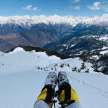
The trek is renowned for its diverse landscapes that change with every twist and turn. Starting from the lush green meadows of Naggar, the trail gradually ascends through dense pine and deodar forests, offering glimpses of the snow-capped Dhauladhar range in the distance. As you climb higher, the landscape transforms into a high-altitude meadow, where wildflowers bloom in abundance during the summer months. The view from the top of the pass is nothing short of spectacular, with a panoramic vista that includes the Pir Panjal range, Deo Tibba, and the Parvati Valley.
Cultural Richness
One of the unique aspects of the Chandrakhani Pass Trek is its deep connection with local culture and folklore. The trek passes through several remote villages, including Rumsu and Malana, where time seems to have stood still. Malana, in particular, is known for its distinct culture and ancient traditions, which the villagers have preserved for centuries. The locals here speak Kanashi, a language unlike any other in the region, and adhere to a unique set of customs and laws. Trekkers often find themselves captivated by the village's enigmatic charm and the hospitality of its people.
Best Time to Trek
The best time to embark on the Chandrakhani Pass Trek is during the summer months, from May to July, and post-monsoon, from September to October. During these periods, the weather is pleasant, and the trails are clear, offering unobstructed views of the surrounding peaks. The monsoon season, from July to August, is generally avoided due to heavy rainfall, which can make the trails slippery and dangerous. Winter, from November to April, is also not recommended unless you are an experienced trekker with the necessary equipment, as the pass is covered in deep snow.
Trek Difficulty and Preparation
While the Chandrakhani Pass Trek is considered moderately challenging, it is essential to be well-prepared. The trek involves a steady ascent to an altitude of around 3,660 meters (12,000 feet), which can be demanding for those not accustomed to high altitudes. It is advisable to spend a few days acclimatizing in Manali or Naggar before starting the trek. Basic fitness, including stamina and endurance, is required, along with proper trekking gear such as sturdy boots, warm clothing, and a reliable backpack.
What to Expect on the Trail
The trek typically spans 4 to 5 days, depending on your pace and itinerary. Each day presents its own set of challenges and rewards. The first day usually involves trekking from Naggar to Rumsu, a quaint village surrounded by apple orchards. From Rumsu, the trail ascends to the higher reaches, where you will camp overnight under a starlit sky. The highlight of the trek is crossing the Chandrakhani Pass itself, where you will be greeted by stunning views that make every step worth the effort. The descent takes you through Malana, where you can explore the village before heading down to the valley.
Responsible Trekking
Trekking in the Himalayas comes with a responsibility to preserve the pristine environment. It is crucial to follow the principles of Leave No Trace, which include carrying back all your waste, respecting local wildlife, and avoiding the use of plastic. Additionally, interacting with local communities should be done with sensitivity and respect for their customs and traditions.
Conclusion
The Chandrakhani Pass Trek is more than just a journey through the mountains; it is an opportunity to connect with nature and immerse yourself in a culture that is as rich as the landscapes it inhabits. Whether you are seeking solitude, adventure, or a deeper understanding of the Himalayas, this trek offers it all. As you stand at the pass, gazing out at the majestic peaks, you will understand why this trek is considered one of the hidden gems of the Indian Himalayas.
About the Creator
Rohit SEN
Hey! Come along with me to explore beautiful places, learn about different cultures, and share my adventures. Let's Explore together! From a travel lover!
Top 10 colonial hotels in sri lanka
Sri Lanka, once known as Ceylon, carries a rich colonial legacy shaped by Portuguese, Dutch, and British rule. This history is beautifully preserved in a number of colonial-era hotels scattered across the island. From grand seaside mansions to hill-country retreats and fortified townhouses, these hotels offer travelers a chance to step back in time while enjoying modern comfort. Staying in a colonial hotel is not just about accommodation—it is about experiencing stories, architecture, and traditions that have survived for centuries.
By Buddhika Jayanathabout 21 hours ago in Wander


Comments
There are no comments for this story
Be the first to respond and start the conversation.