
Buying Gear for Indoor Rock Climbing - What Is in My Gym Bag
For Beginners

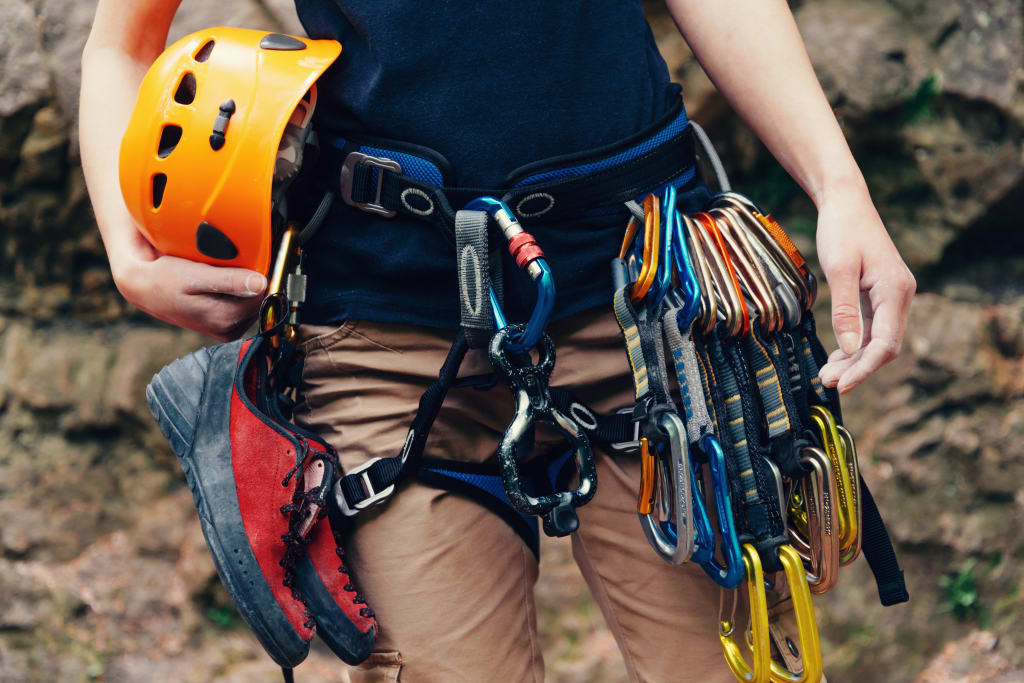
If you're curious about what to bring to an indoor rock climbing gym, you’re in the right place. When I started climbing last year, I rented all my gear from the gym. As I started visiting more frequently, renting became a bit expensive, so I eventually purchased my own gear. It took time to find the right shoes and gear that worked best for my climbing level and could support my progress. To save you time and effort, here are some recommended climbing essentials to bring to the gym.
First, you’ll need a sturdy bag for your gear. Any backpack with multiple compartments will work. I use the Lululemon City Adventurer Backpack 17L, which has several compartments, including a bottom one for my climbing shoes and an additional bag for sweaty workout clothes. It also has an outer pocket for my smartphone, a water bottle pocket inside, and a laptop compartment for added convenience. The material is water-resistant, keeping your items safe even in the rain.
When choosing climbing shoes, there are plenty of great brands. Two of the best on the market are La Sportiva and Butora. I opted for the Butora Endeavor Wide Fit Climbing Shoe. These shoes are great for both beginners and advanced climbers, meaning you won’t need to upgrade quickly as you improve. They come in narrow and wide versions, and the 100% organic hemp lining helps control stretch and odor. Be aware that Butora shoes run small, so it's recommended to size up by 1.5 sizes. For example, I wear a size 10 in climbing shoes, which corresponds to a regular shoe size of 8.5. The shoes should fit snugly but not painfully. If they hurt, size up.
Though most climbers don’t wear socks with their shoes (unless they're renting), I decided to buy four pairs of climbing socks to prevent odor buildup. Butora offers climbing-specific socks made from 100% organic hemp, just like their shoes. They fit snugly without restricting movement, and I find the X-Large size perfect for my feet. If you have larger feet, it’s best to contact the company to ensure they’ll fit.
A comfortable harness is another essential. While gyms typically rent harnesses, these rentals can be uncomfortable due to a lack of padding. A padded harness, like the Black Diamond Women’s XS Smoke Primose Harness, offers adjustable leg loops and great comfort. It’s well-constructed and highly recommended for longer climbs.
Chalk is also necessary for dry hands. I recommend either loose chalk or a chalk ball. While liquid chalk is an option, I find it dries too quickly. Preferences vary, so it’s worth experimenting to see what works best for you. A regular small chalk bag should suffice for rope climbing.
Most gyms provide belay devices and carabiners for rent, though some may allow you to bring your own gear. Always check with your gym first. For belay devices, the Petzl Grigri 2 is common and offers an automatic locking feature, which is ideal for beginners. The ATC device is also popular, but it lacks an automatic lock, so I wouldn’t recommend it for those new to climbing.
For carabiners, I recommend the Black Diamond Gridlock Screwgate Locking Carabiner and the Black Diamond RockLock Screwgate Carabiner.
If you still need help choosing gear, consider reaching out to Backcountry’s Gearheads, who are experts in outdoor equipment and can answer any questions you may have.
About the Creator
Kahlea Pennington
Writer, climber, and outdoor enthusiast, I combine my passion for adventure with over a decade of editorial experience. From climbing tips to gear reviews, I inspire others to explore the outdoors with confidence and curiosity.
Keep reading
More stories from Kahlea Pennington and writers in Wander and other communities.
How to Find Climbing Partners
Finding the Perfect Climbing Partner: More Than Just a Belayer Finding a climbing partner is about much more than simply having someone to belay for you—it's about building trust, camaraderie, and a shared passion for the sport. My first climbing partner, whom I met through a class at Brooklyn Boulders, became a reliable companion for my early experiences. She was attentive and receptive, but as we navigated our schedules, I realized the challenge of finding additional like-minded climbers in my area.
By Kahlea Pennington7 years ago in Wander
Gift of the Epiphany
I have come to love the Mike's monthly unofficial challenges. They spark my imagination and cause me to dig, explore and search out truths. They also cause personal memories of mine to sparkle for a bit. January's challenge was no exception. In fact, the events that I'm now journaling still amaze me because those steps felt so ordered, yet unmistakingly, not mine.
By Shirley Belk5 days ago in Wander
Postcard from Bangor
Welcome to “Postcards Between Pages,” where we journey to places where stories come alive, and the landscape speaks with the echoes of literary giants. Today, we’re mailing you an audio postcard straight from Bangor, Maine—home to SK Tours of Bangor and the heart of Stephen King’s legendary world. Together, we’ll traverse the eerie streets and storied landmarks that inspired the King of Horror, listen to tales and whispers from beyond the page, and unravel how Bangor’s soul has shaped the nightmares and dreams of readers across the globe.
By Kristen Barenthaler4 days ago in Wander
Wild Card Weekend Recap: What Happens Now?
I think I figured out why I love Wild Card Weekend so much. It's because it's the first playoff anything of the calendar year. The NFL season starts in the fall, and once upon a time, the champion was crowned either on or slightly before New Year's. The evolution of the NFL schedule has resulted in the playoffs starting just into the New Year, and currently, the final week of the season falls on the first weekend of the New Year, with Wild Card Weekend coming a week after that. So yes, chronologically, the NFL's Wild Card Weekend serves as the first playoff anything of the calendar year.
By Clyde E. Dawkins7 days ago in Unbalanced



Comments
There are no comments for this story
Be the first to respond and start the conversation.