
Big Cats of Africa.
Where will you find them in Tanzania?

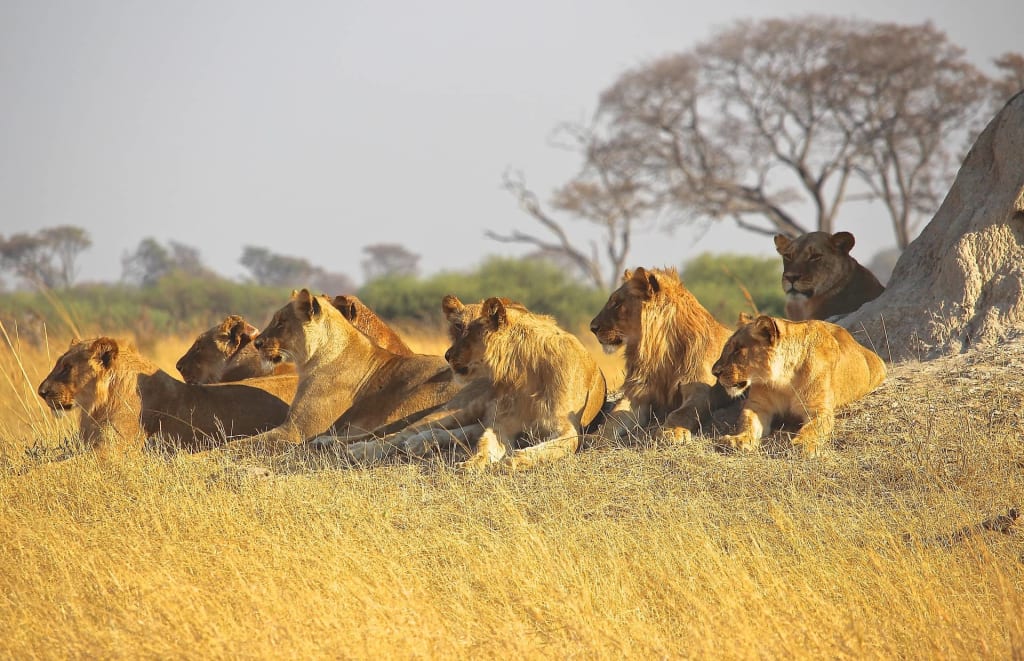
If it is your dreamed to seeing lions, leopards, or cheetahs up close in the wild and not in the zoo, Tanzania is one of the best place to go. This East African country is one of the best places in the world where you will see big cats in their natural home. In Tanzania, the well kept national parks of Tanzania are so full of wildlife, and the big cats are some of the most exciting animals to see on a wild safari.
These big cats not only are beautiful to look at, but also they are also very important to the environment. They help control the number of other animals, which keeps the whole ecosystem in balance. In this article, we’ll take a closer look at the main big cats found in Tanzania, where you can see them, and what is being done to protect them since some of them are the endangered species.
1. The African Lion: Strong, Social, and Famous

Lions are the most well-known Africa’s big cats. The Lion is often called the “king of the jungle,” and these lions usually live in open areas like grasslands and savannas. Male lions are easy to recognize by their thick manes, while females are smaller and these females are the ones that do most of the hunting.
Lions are the only big cats that live in groups, called prides. A pride usually has one or two adult males, several females, and their cubs. These lions in a pride always work together to hunt and protect each other. When you come to Tanzania for a wild safari, you may go and watch a pride of lions relax or go on a hunt on a wild.
Where to See Lions in Tanzania:
- Serengeti National Park: This is a home to hundreds of lions. You’ll often see them lying in the shade during the day and moving around as the sun sets.
- Ngorongoro Crater: This is a natural wildlife area with high concentration of animals and high chances of spotting lions up close.
- Tarangire National Park: In this national park lions are common, and if you’re lucky, you might see one up in a tree.
- Lake Manyara National Park: Here you will see the tree climbing lions.
Threats to Lions:
Lions are in danger because of habitat loss, conflicts with people, and illegal hunting. When lions leave the parks and get close to villages, they usually attack livestock, which causes problems. In return the people around those places may retaliate to protect themselves and their livestock. Therefore conservation groups are helping in this situation by teaching local communities how to live with lions and protect both people and animals.
2. The African Leopard.

Leopards are shy and they are very good at hiding. Unlike lions that lives in groups, leopards prefer to live alone and are mostly active at night. They have beautiful golden fur with black spots called rosettes, and they’re amazing tree climbers. When leopards catch a prey, they often drag their prey up into trees to eat in peace.
Leopards can live almost anywhere; whether it is in forests, mountains, grasslands, and even near towns, as long as there’s enough cover where they can hide. In Tanzania, you will need a sharp eye and a good guide to spot leopard since they are very good in hiding.
Where to See Leopards:
- Ruaha National Park: this is a remote and quiet park, great for leopard sightings.
- Selous Game Reserve: this game reserve is known for having high population of leopards.
- Mikumi National Park: this is a good place for a quick day trip with high chances to see leopards.
Threats to Leopards:
Like lions, leopards also face habitat loss and poaching. Since they stay hidden, it’s hard to count and get the actual number of how many are left. But despite all that, conservationists are working to protect them by keeping forests and wild areas safe.
3. The African Cheetah: The Fastest Cat on Earth

Cheetahs are built for speed. They can run as fast as 60 miles (about 97 kilometers) per hour in short bursts. Their bodies are slim, their legs are long, and they use their tail to balance while chasing prey like gazelles.
Cheetahs prefer wide-open spaces where they can spot their prey from far away. These cats also don’t hunt in groups like lions. Although you may see a mother with her cubs or a pair of young males sticking together but not necessarily hunt together like lions.
Where to See Cheetahs:
• Serengeti National Park: One of the best places in Africa to see cheetahs hunting.
Problems Cheetahs Face:
Cheetahs are fast, but they’re also very sensitive to changes in their environment. Farming, fencing, and human settlements are reducing the open spaces they need to survive. Some are also captured illegally for pet businesses. In Tanzania, wildlife groups are trying to create larger protected areas for cheetahs to roam freely.
4. The African Caracal

You may not have heard of the caracal, but this smaller big cat is so interesting. Caracals are medium-sized gig cats, with long legs, short reddish fur, and tall ears with black tufts at the tips. They’re known for their amazing jumping ability, they can jump into the air to catch birds.
Caracals are usually seen alone and are very quiet. They hunt small animals like birds, rodents, and rabbits. While they are found in many parts of Africa, they are more active at night and may not be easy to spot them during the day.
Where to See Caracals:
- Ngorongoro Crater: they may occasionally be spotted during early morning drives.
- Ruaha and Tarangire National Parks: these are good places to spot them if you’re lucky and patient.
Threats to Caracals:
Caracals face similar threats as other wild big cats, such as loss of land, heavy hunting, and conflicts with farmers. Because they sometimes eat chickens or goats, Caracals are often killed by people. Education and better livestock protection can help reduce this problem.
Top Safari Parks in Tanzania to See Big Cats
If you want to see big cats in the wild, here are the top parks in Tanzania to visit:
- Serengeti National Park – Famous for lions, cheetahs, and the Great Migration.
- Ngorongoro Crater – this is a great spot to see multiple big cats in one place.
- Tarangire National Park and Lake Manyara National Park – this is a home to lions and rare tree-climbing lions.
- Ruaha National Park – Excellent for leopards and cheetahs, and it is a place that iss much less crowded.
- Mikumi National Park – this national park is close to Dar es Salaam; and it is perfect for short trips with big cat sightings.
Why Big Cat Conservation Matters
Big cats are the key to keeping nature balanced. Without predators to balance the natural habitat, some animals would grow in number too fast and damage the environment. Sadly, most African big cats are endangered and are facing serious challenges. The good news is, many people are working hard to protect them.
We have projects that starts with training local communities around the national parks to live with wildlife to international projects that fight poaching and save habitats, and these gives hope to the wild animals. And when you visit these parks, you help too. Part of the park fees paid by people visiting the national parks goes to the conservation of wildlife.
Final Thoughts
Whether you are an animal lover, a photographer, or just someone curious and interested about nature, Tanzania’s big cats will give you the best experience when you visit to see them.
If you ever get the chance to visit, you are warmly welcome and we’ll be there waiting for you. Welcome to Tanzania.
About the Creator
Jaynevy Tours
Jaynevy Tours offers personalized Tanzanian safaris to Serengeti, Ngorongoro Crater, and Zanzibar. Expert guides and unique experiences for all.
Keep reading
More stories from Jaynevy Tours and writers in Wander and other communities.
The beautiful beaches of Zanzibar
If you are a lover of beautiful beaches and clear water, then Zanzibar will offer you the best beachesyou have ever seen. This small island located on the eastern off the coast of Tanzania is filled with beautiful beach destination that attracts people from all over the world. The people living at this beautiful island have nice and welcoming culture, have unique history, and they are naturally beauty.
By Jaynevy Tours9 months ago in Wander
Worth the Wait: Puerto Viejo, Costa Rica
Beach bumming in a small Caribbean beach town sounded like a perfect way to end our 6-month trip through Mexico and Central America. Or so we thought. The foul, fishy stench of rotten seaweed hit our nostrils as we stepped from the cramped bus and looked out at a rather depressing, empty, and underwhelming black sand beach. It was pouring with rain, and we had to quickly fish out our ponchos. We thought, this couldn’t be it, could it?
By Sh*t Happens - Lost Girl Travel7 days ago in Wander
Lost in Translation: How Getting It Wrong in Asia Taught Me How to Travel Right
My first morning in Hanoi started with a sensory assault. I was sitting on a tiny blue plastic stool, knees touching my chin, watching a woman whisk an egg yolk into a cup of robusta coffee. The air smelled of charcoal smoke, cilantro, and exhaust fumes. It was chaotic, loud, and utterly mesmerizing.
By Eleni N. Markou4 days ago in Wander




Comments
There are no comments for this story
Be the first to respond and start the conversation.