
Best Season for the Dudhsagar Trek: Monsoon vs Winter Experience
everything you need to know before planning your trek—from seasonal differences to safety, budgeting, how to reach, and nearby attractions that can elevate your journey.
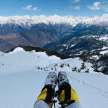

If there’s one trek in India that perfectly blends mystery, thrill, and raw natural beauty, it’s the Dudhsagar Trek. Known for its iconic milky-white waterfall cascading down the Western Ghats, this trail attracts travellers from all across the country. But a common question always pops up: “What is the best season for the Dudhsagar Trek—monsoon or winter?”
Both seasons offer a strikingly different experience, and choosing the right one depends on the kind of adventure you’re seeking. So, let’s walk through everything you need to know before planning your trek—from seasonal differences to safety, budgeting, how to reach, and nearby attractions that can elevate your journey.
Understanding the Charm of Dudhsagar Waterfall
Before diving into seasons, it’s worth understanding what makes Dudhsagar so special. Tucked inside the Bhagwan Mahavir Wildlife Sanctuary on the Goa–Karnataka border, Dudhsagar Falls plunges from an impressive height of over 300 meters. During the trek, the sound of gushing water grows louder with every step, and when you finally see the waterfall, it feels like the whole world stops for a moment. Many travellers describe it as one of the most surreal views in South India.
The trek usually begins from two popular starting points—Kulem and Castle Rock. Each route has its own character, with railway tracks, lush forests, streams, tunnels, and viewpoints unfolding along the way. And depending on the season, this scenery changes dramatically.
Monsoon Magic: A Raw, Wild, and Thrilling Experience
If you want to witness Dudhsagar in its full power, visit during the monsoon—typically between June and September. This is when the waterfall roars with unrestrained force, sending mist into the air long before you reach the base. The entire forest comes alive, soaked in shades of deep green, and the trail feels like a natural adventure park.
But monsoon trekking here is not for the faint-hearted. The terrain gets slippery, streams swell with rainwater, and the paths demand proper balance and stamina. For thrill-seekers, these challenges only add to the excitement. Imagine crossing gushing streams barefoot, walking through tunnels as raindrops echo on the tracks, and seeing the waterfall at its most dramatic—this is monsoon Dudhsagar at its best.
However, monsoon also brings specific restrictions. The forest department often regulates entry due to safety concerns, and on some days, trekking may be suspended depending on rainfall intensity. It’s always wise to check with local operators beforehand and keep plans slightly flexible.
Budget-wise, monsoon trips are typically cheaper. Accommodation around Kulem and nearby areas tends to be less expensive, though it’s important to choose places that can handle heavy rain and humidity.
Winter Calm: A Safer, Pleasant, and More Comfortable Trek
If you prefer a calmer atmosphere, October to February is the perfect season to trek to Dudhsagar. Winter transforms the region into a pleasant wonderland. The sky is clear, humidity drops, and you can trek long distances without feeling drained. The waterfall flows gracefully—not as fierce as in monsoon, but still incredibly photogenic.
Winter is ideal for beginners, families, and travellers who want a relaxed experience without battling extreme trail conditions. The paths become more stable, stream crossings are minimal, and the forest looks bright and welcoming rather than intense and dramatic. Photography lovers particularly enjoy this season because the sunlight hits the falls beautifully and visibility is perfect.
On the flip side, winter is the peak tourist season. You’ll find more crowds at the base, longer queues for jeep safaris, and slightly higher prices for stays and transport. But the overall comfort and safety make winter a very popular choice.
How to Reach Dudhsagar Trek Starting Points
Reaching the Dudhsagar Trek starting points is fairly straightforward.
Most travellers arrive at Kulem—the most common base location. From Goa, Kulem is accessible via train or road routes. If you’re coming from Karnataka, Castle Rock Railway Station offers an equally scenic and slightly longer trek filled with tunnels and greenery.
If you're already in Goa exploring nearby attractions like Tambdi Surla Temple, Mollem National Park, or beaches like Palolem and Benaulim, adding Dudhsagar to your itinerary is both convenient and exciting. Many travellers prefer clubbing Dudhsagar with a South Goa sightseeing day or wildlife sanctuary visit to make the most of their time.
Suggested 2–3 Day Itinerary for Your Dudhsagar Adventure
A short getaway is often enough to experience Dudhsagar. If you have two days, spend one day reaching Kulem and exploring local spots and the second day trekking early morning and returning after lunch.
If you want a more relaxed trip, plan a three-day itinerary. Arrive on Day 1, rest, start your trek on Day 2, and explore nearby attractions on Day 3. Places like Devil’s Canyon, the spice plantations in Ponda, and the wildlife safari at Bhagwan Mahavir Sanctuary are great add-ons.
Local Tips for a Smooth Trek: From Snacks to Safety
No matter the season, a little preparation makes the Dudhsagar Trek far more enjoyable. Start early in the morning to avoid harsh sun or heavy downpours. Carry enough water, light snacks, and a waterproof cover for your phone and bag. During monsoon, proper trekking shoes with strong grip are essential. In winter, a light jacket works well for mornings.
Travel safety depends heavily on the season. Monsoon demands caution at slippery patches and stream crossings. Winter is safer but can get crowded, so it’s wise to stick close to your group at busy points. Hiring a certified local guide is always recommended—they know the terrain, seasonal challenges, and forest rules better than anyone else.
Budgeting for Dudhsagar depends on whether you trek independently or book through an agency. Off-season prices drop, but during peak winter months, accommodation and transport costs may rise slightly.
So, Which Season Should You Choose?
There’s no single answer—only what you want from your trek.
Choose Monsoon if you want:
Raw nature
Heavy waterfall flow
Intense greenery
A challenging adventure
Choose Winter if you want:
Comfortable weather
Safer, simpler trekking
Clear views for photography
A more relaxed experience
Either way, the Dudhsagar Trek is unforgettable.
Final Thoughts
The Dudhsagar Trek is more than just a trail—it’s an experience that stays with you long after you’ve left the forest. Whether you choose the roaring energy of monsoon or the peaceful charm of winter, your journey will be filled with breathtaking scenery, thrilling paths, and unforgettable moments. So pick the season that matches your travel spirit, pack wisely, and prepare for a trek that truly celebrates the wild beauty of the Western Ghats.
About the Creator
Rohit SEN
Hey! Come along with me to explore beautiful places, learn about different cultures, and share my adventures. Let's Explore together! From a travel lover!
Worth the Wait: Puerto Viejo, Costa Rica
Beach bumming in a small Caribbean beach town sounded like a perfect way to end our 6-month trip through Mexico and Central America. Or so we thought. The foul, fishy stench of rotten seaweed hit our nostrils as we stepped from the cramped bus and looked out at a rather depressing, empty, and underwhelming black sand beach. It was pouring with rain, and we had to quickly fish out our ponchos. We thought, this couldn’t be it, could it?
By Sh*t Happens - Lost Girl Travel6 days ago in Wander
What Hidden Costs Should You Know in Armenia Tour Packages?
Booking Armenia Tour Packages is one of the easiest ways to explore this beautiful Caucasus destination. Many travel packages include hotels, transfers, and sightseeing tours, making travel convenient and organized. However, travelers should also be aware that some hidden costs may not always be included in the initial price.
By Viacation Tourism2 days ago in Wander



Comments
There are no comments for this story
Be the first to respond and start the conversation.