
Attractions in the Kanchenjunga Region of Nepal
Highlights of Kanchenjunga Region

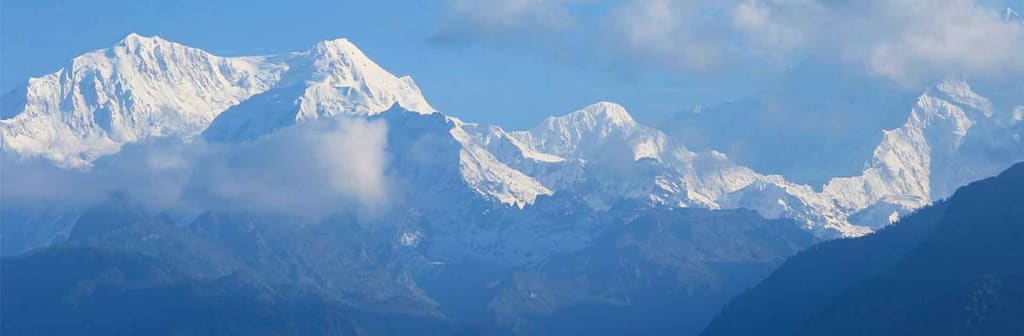
Kanchenjunga region lies in the isolated Himalayas of eastern Nepal, whose beauty remains concealed by time. This region might not famous like Mt. Everest or Annapurna but this area offers uncommon opportunities for those who love adventure as well as tranquility. It is here that you can find Mt. Kanchenjunga, the third-highest mountain in the world, and numerous other natural and cultural attractions that create a paradise for trekkers, naturalists, and others wanting to meet the true beauty of mountains.
In addition to high mountains, there are also big rhododendron forests where one can walk through, ancient Tibetan settlements waiting to be explored, and rare animal species residing within the Kanchenjunga Conservation Area.
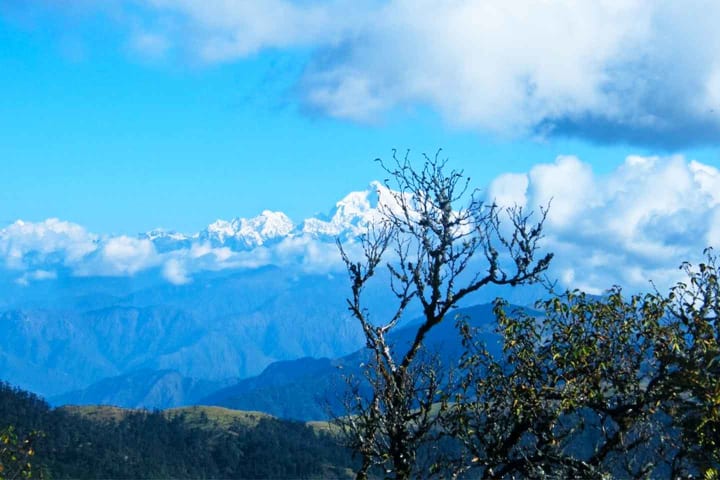
There is less crowd on trails in this area, and one can breathe fresh air; every time you are on your feet, something new opens up. This is the place for an adventure lover looking for amazing landscapes, cultural experiences, or a tiring trek away from civilization.
In this blog post, we are going to highlight attractions in the Kanchenjunga region that you need to visit; they include fantastic mountain views and hidden gems of local cultures. Be prepared to discover parts of Nepal that few have ever known, but everyone should visit personally!
Mt. Kanchenjunga: The Third-Highest Mountain
Mount Kangchenjunga, located along the border of Nepal’s Koshi Province and India’s Sikkim state in the Himalayas, is the third highest mountain in the world, standing at 8,586 meters (28,169 feet). The mountain is surrounded by the Tamur, Lhonak, and Teesta rivers. This mountain was initially believed to be the highest peak in the world until Mount Everest was verified in 1856.
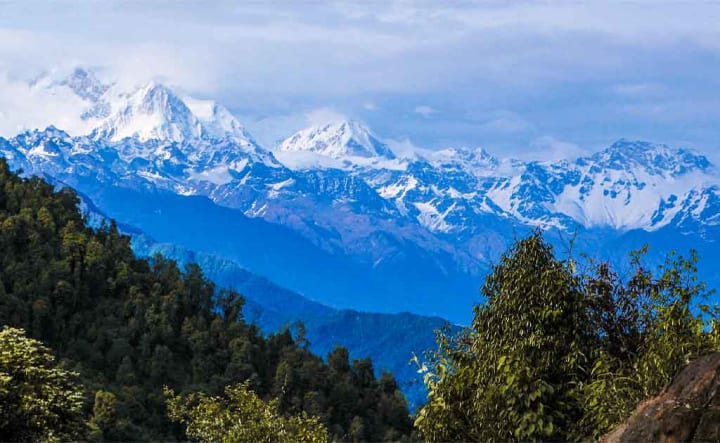
Hence, it has great religious meaning to both Nepalese and people from Sikkim. The first ascent happened in 1955 by Joe Brown and George Band, who kept a pledge that they would not touch it. The Indian one is out of bounds for climbers due to its sacredness. In 2016, the nearby Khangchendzonga National Park became a UNESCO World Heritage Site.
Features of Mt. Kanchenjunga
- Elevation: 8,586 meters (28,169 feet)
- Location: Border between Nepal and India
- Summits: Five major peaks (Kanchenjunga Main, Kanchenjunga West, Kanchenjunga Central, Kanchenjunga South, and Kangbachen)
- Name Meaning: "The Five Treasures of the Snow"
- Significance: sacred to local communities; revered in local cultures
- First Ascent: 1955 by a British Expedition
- Climate: Extreme cold with heavy snowfall; high-altitude weather conditions
- Conservation Area: Kanchenjunga Conservation Area protects its rich biodiversity.
- Trekking Routes: Popular trekking routes include Kanchenjunga Base Camp and Kanchenjunga Circuit Trek
- Views: Stunning vistas of surrounding peaks and glaciers
Kanchenjunga Base Camp
The Kanchenjunga base camp is a popular destination for trekkers who want to experience first-hand what it feels like to be below one of the tallest mountains in the world. Situated at the foot of Mt. Kanchenjunga, this camp gives trekkers an opportunity to see spectacular views of the gigantic mountain and its accompanying mountains too.
The trip to Kanchenjunga Base Camp passes through landscapes that range from tropical green forests to high-altitude alpine grasslands, which help you grasp why the Himalayas are considered a magnificent creation on earth.
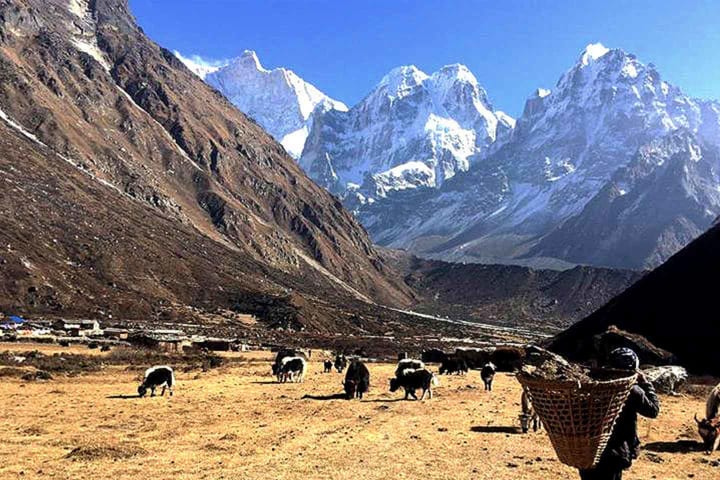
It is a remote place; thus, it provides solitude away from too much noise. The journey will be through a rich cultural exchange, and when you are finally at the feet of one of the highest peaks in the world, this will give you a great feeling of accomplishment. Your passage through breathtaking landscapes is worth all your energies; still, all this before you arrive there—there is nothing easy about it.
Features of Kanchenjunga Base Camp
- Location: At the foot of Mt. Kanchenjunga, within the Kanchenjunga Conservation Area
- Elevation: approximately 5,143 meters (16,873 feet)
- Access: Reachable via a multi-day trek from various starting points in Nepal
- Scenery: Offers panoramic views of Mt. Kanchenjunga and surrounding peaks.
- Trekking Route: Part of the Kanchenjunga Circuit Trek and Kanchenjunga Base Camp Trek
- Landscape: includes diverse terrains such as forests, rivers, and alpine meadows.
- Cultural Experience: Opportunities to interact with local communities and experience traditional practices
- Accommodation: Basic tea houses and camping
- Season: Best visited during the spring and autumn seasons
Kanchenjunga Circuit Trek
The Kanchenjunga Circuit Trek is a difficult and rewarding journey that takes trekkers around the magnificent Kanchenjunga massif, which is the third tallest mountain worldwide. This difficult trek gives a person an opportunity to experience different landscapes, from lowland jungles to rugged cliffs. As you walk along this remote path, you will see cultural diversity, among other things.
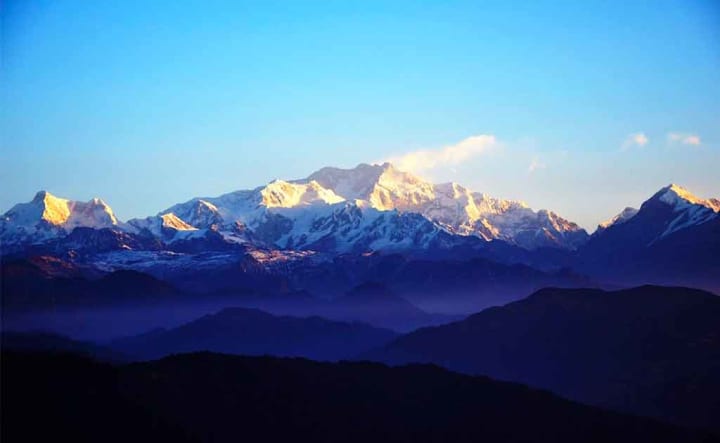
You’ll hike through small towns where locals invite all types of visitors into their homes; they’ll share their food with you and show you how they live. Along this route, there are stunning views of the gigantic peaks of Kanchenjunga, as well as surrounding hills and peaceful high-altitude lakes lie hidden in these valleys. This is a trip that combines astonishing natural beauty and cultural diversity; hence, it attracts the most daring tourists who want to explore unexplored areas in the Himalayas.
Features of Kanchenjunga Circuit Trekking
- Duration: Typically 18–24 days
- Distance: approximately 150-200 kilometers (93–124 miles)
- Difficulty: challenging, with high-altitude trekking and varied terrain
- Altitude: Reaches up to 5,143 meters (16,873 feet) at the highest pass
- Scenery: diverse landscapes including lush forests, alpine meadows, glaciers, and high-altitude deserts
- Cultural Experience: Interaction with local communities and traditional villages
- Views: Panoramic views of Kanchenjunga and surrounding peaks, including Makalu and Everest
- Access: Starts from either the northern or southern approach, with various entry points and routes
- Wildlife: Opportunity to spot rare flora and fauna in the Kanchenjunga Conservation Area
Kanchenjunga Conservation Area
In the eastern Himalayas is located the Kanchenjunga Conservation Area, which is a virgin sanctuary that protects the natural beauty and biodiversity surrounding Mt. Kanchenjunga. Established in 1997, it is a protected area of 2,035 square kilometers where distinctive flora and fauna are found, including threatened species.
It is not just an oasis for wildlife but also a treasure trove of culture since there are diverse ethnic communities living in this region that depend on it for their livelihood.
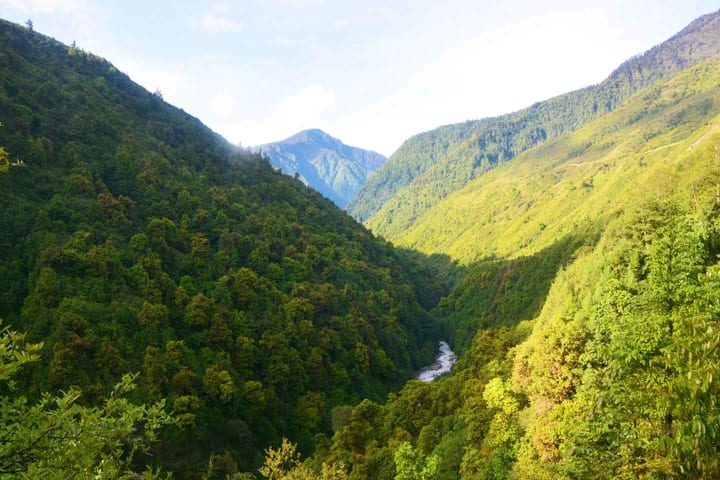
Lush forests, alpine meadows, rugged mountain terrain, and sparkling glaciers make up some of the of the breathtaking landscapes you will find here if you choose to visit this area.
For the purpose of conservation efforts that take place in this region, it will be ensured that ecological preservation goes hand-in-hand with sustainable tourism so that Kanchenjunga’s natural heritage and culture will be passed on to future generations.
Features of Kanchenjunga Conservation Area
- Established: 1997
- Area: approximately 2,035 square kilometers
- Biodiversity: home to a variety of flora and fauna, including endangered species like the red panda and snow leopard.
- Cultural Significance: Inhabited by ethnic communities with traditional lifestyles
- Landscapes: includes lush forests, alpine meadows, rugged terrain, and glaciers
- Conservation Goals: Focus on ecological preservation and sustainable tourism
- Activities: trekking, wildlife viewing, and cultural experiences
Olangchung Gola
Olangchung Gola is a beautiful town located in the Kanchenjunga area of eastern Nepal. It is located in an isolated setting and is recognized for its distinctive allure and reputable cultural and historical background. This antique village serves as the access point to Kanchenjunga territory. There are Tibetan-inspired, vibrantly colored constructions and tranquility in the air.
In ancient times, Olangchung Gola served as an important transit route connecting Tibet with the lower valleys of Nepal. This is evidenced by the lively neighborhood marketplaces as well as the diverse communities found here.
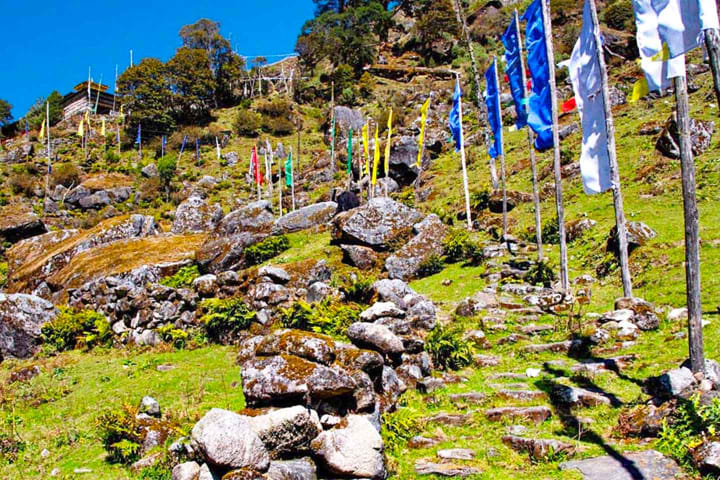
The town exemplifies the way of life for indigenous inhabitants who lived in mountainous regions: elaborate residences alongside buzzing squares where merchants peddled their wares.
The visitors get to see beautiful sites such as mountains or valleys while at Olangchung Gola. The people here are also friendly and have rich cultures. When it comes to this region’s culture, Olangchung Gola is another ideal accommodation for those who want to experience more of its local customs and traditions while touring around areas like trekking trips.
Features of Olangchung Gola
- Location: Remote village in the Kanchenjunga region, Nepal
- Cultural Heritage: Tibetan-influenced Architecture and Lifestyle
- Historical Significance: Former trade route connecting Tibet and Nepal
- Local Markets: Bustling with local goods and traditional crafts
- Scenic Views: Stunning vistas of the surrounding mountains and valleys
- Traditional Lifestyle: Insight into the daily life and customs of mountain communities
- Warm Hospitality: Known for the friendly and welcoming nature of its inhabitants
Ghunsa Village
Ghunsa is a beautiful and culturally diverse town hidden in the heart of the Kanchenjunga region, which is a major stopping point for trekkers in this remote part of the universe. It is located at an altitude of about 1,800 meters above sea level, and it reflects the actual lives of some residents with Tibetan influence on their daily lives.
One thing that makes this village different from other villages is that its houses are made from stones, as well as their warmth towards tourists.
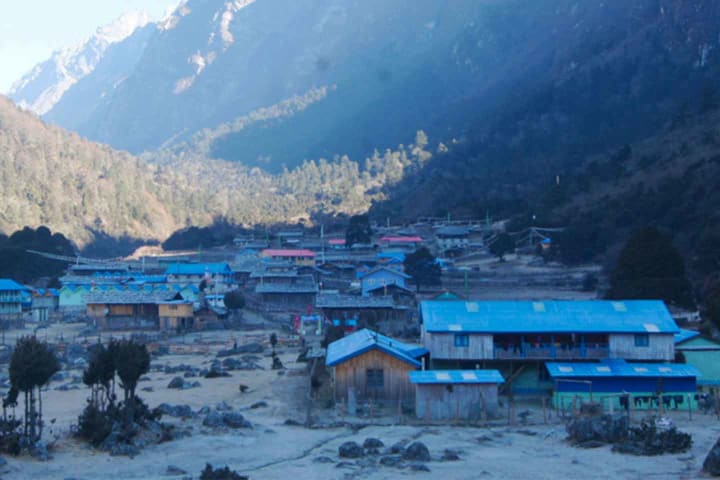
Ghunsa village is covered with lush trees and terraced farms, producing a quiet atmosphere suitable for climbers who seek to rest and acclimatize after their long walks up the mountain trails.
There are several Buddhist monasteries within these walls that show how rituals are carried out by locals following such customs. Ghunsa remains an unforgettable part of every journey through Kanchenjunga’s heights.
Features of Ghunsa Village
- Altitude: approximately 1,800 meters (5,900 feet)
- Location: Situated in the Kanchenjunga region of eastern Nepal
- Architecture: Traditional Tibetan-style stone houses
- Cultural Influence: Tibetan-influenced Lifestyle and Customs
- Monasteries: home to several Buddhist monasteries
- Scenery: Surrounded by lush forests and terraced fields.
- Hospitality: Known for its welcoming and friendly atmosphere
- Significance: A key stop for trekkers on the Kanchenjunga Circuit Trek
Ramche
Ramche (4360 m) is an exquisite destination for trekkers who want to experience the serene environment on the Kanchenjungha trail. Nestled at an altitude of around 4,580 meters, Ramche is a major stop on the route to the Kanchenjunga Circuit Trek and provides unbeatable vistas of other peaks along with glaciers.
Nestled amidst a beautiful and vast carpet of high-altitude flora, green pastures, and awe-inspiring bamboo shrubs, the village is surrounded by an exciting aura for anyone who wants to acclimate or rest from touch experiences in lower elevations.
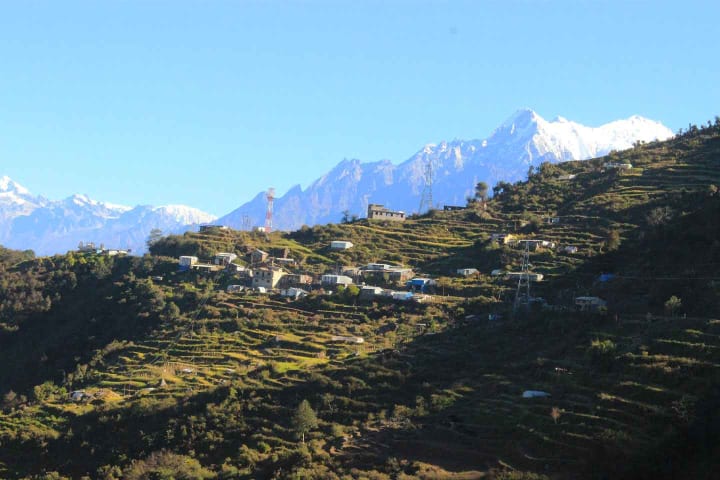
Trekking to Ramche offers a series of panoramic views over the Kanchenjunga massif and other towering peaks, which fills you with reverence for nature. Ramche, due to the calm environment and beautiful atmosphere, has gained fame as a miracle of the Kanchenjunga trek.
Features of Ramche
- Elevation: approximately 4,580 meters (15,026 feet)
- Location: Located along the Kanchenjunga Circuit Trek
- Views: Panoramic vistas of the Kanchenjunga massif and surrounding peaks
- Surroundings: verdant meadows and high-altitude flora
- Role: Important stop for acclimatization and rest during the trek.
- Ambiance: tranquil and picturesque, ideal for relaxation and reflection.
Sele La Pass
Situated at a height of 4,290 meters, Sele La Pass is a jaw-dropping high-altitude pass on the Kanchenjunga Circuit Trek. The highlight of the trek, this dramatic pass offers trekkers a panoramic view of snow-capped peaks and rugged landscapes.
The pass is one of the most difficult parts of the trek in terms of its elevation and also because it offers some very beautiful views on the Muktinath journey. Sele La is also a beautiful ascent and reaching the top of Sele La feels like an accomplishment.
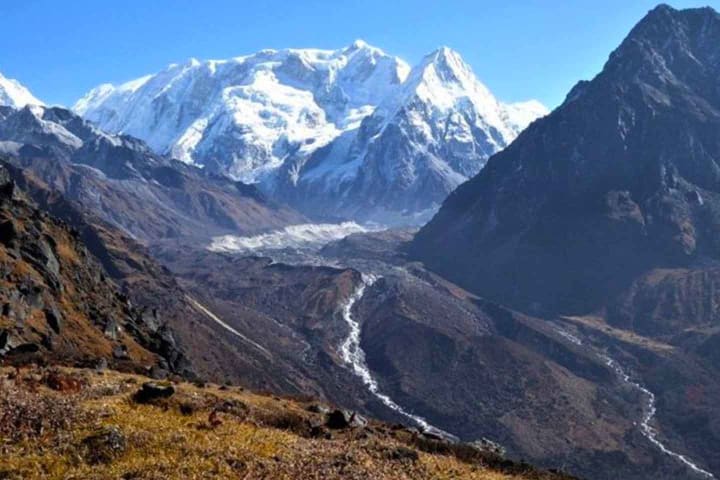
Overlooking one of the remotest, wildest regions, which sprawls the view to the unending Kanchenjunga range, makes trekkers feel like they truly have escaped all but simplicity and solitude.
The pass captures the spirit of adventure so characteristic of the Kanchenjunga trek—a beautiful experience, spoiled not with flashy colors but with a gloomy affliction and an accomplishment.
Features of Sele La Pass
- Elevation: 4,290 meters (14,074 feet)
- Location: On the Kanchenjunga Circuit Trek.
- Significance: major high-altitude crossing in the trek
- Views: expansive vistas of the Kanchenjunga range and surrounding peaks.
- Difficulty: challenging due to high altitude and weather conditions
- Experience: Offers a sense of accomplishment and stunning, remote beauty.
- Climate: cold and potentially snowy; high-altitude weather conditions
Ramtang and Oktang
The Ramtang and Oktang are two extraordinary high-altitude viewpoints that render the most panoramic view of the Kanchenjunga region. Near the Kanchenjunga Circuit trek trails: For those who are doing or planning to do a Kanchenjunga Circuit hike, you will obviously come across different high passes offering breathtaking panoramic views of sky-piercing snow-covered mountains.
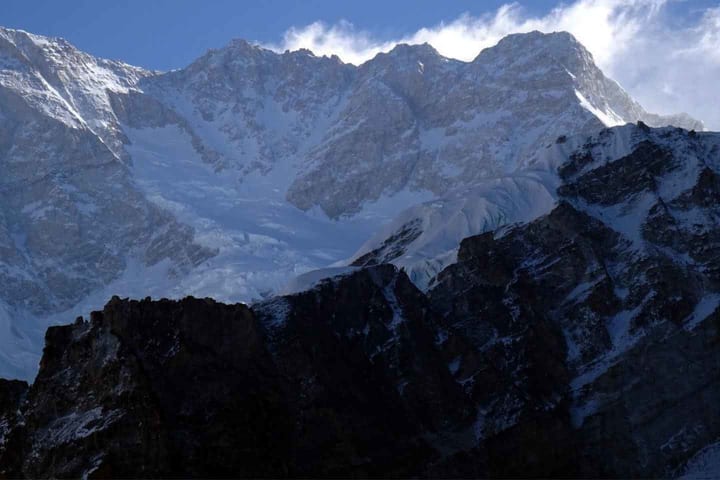
The places include Ramtang towards its north, which provides a wide range and massive view of Kanchanjunga’s northern outpost, whereas Oktang down south offers an awe-inspiring sightseeing of the southern summits along with central peaks. Reaching these vantage points is hard but worth it, traversing through hidden valleys and untouched wilderness.
While the visages that fathom through Ramtang or Oktang are a bountiful visual treat, they also come across as an exhibition of grandeur and magnificence for misplaced souls like me who believe in capturing life one step at a time, making them the most inviting sojourns amidst trekkers engulfed in tranquility.
Features of Ramtang and Oktang
- Location: High-altitude viewpoints on the Kanchenjunga Circuit Trek
- Ramtang: Offers a sweeping view of Kanchenjunga’s northern face
- Oktang: Provides a striking view of the southern and central summits.
- Trekking Route: accessible via challenging treks through remote valleys
- Scenery: Panoramic vistas of the Kanchenjunga massif and surrounding peaks
- Altitude: Both viewpoints are situated at high elevations, offering unique perspectives of the mountain range.
- Experience: Provides a sense of the vastness and grandeur of the Himalayas
Unveil Mysteries in the Kanchenjunga Region
To conclude, the Kanchenjunga region is the perfect amalgamation of both natural splendor and cultural richness. This region boasts breathtaking views from over 4000 m and offers the golden opportunity to witness sunrise and sunset from Ramtang and Okteng.
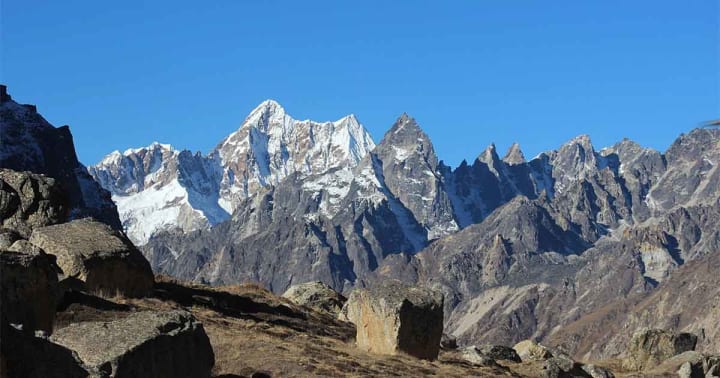
The Kanchenjunga Base Camp and Kanchenjunga Circuit Trek are a good start to the wildness journey that Nepal can offer, while places like Olangchung Gola and Ghunsa offer an awesome experience of local cultural heritage. Escape to the beauty of such landscapes and explore every inch of them with great Kanchenjunga trekking.
If you wish to explore all these beautiful places in the Kanchenjuga region of Nepal, then book your trek with us and enjoy it.
About the Creator
Nepal Trek Adventures & Expedition Pvt. Ltd
Talking about Earths highest point; Mount Everest is always an interesting topic. We provide you best stories of Mount Everest. Its All About Everest, Ways to reach: Everest Base Camp Trek and Everest Base Camp Helicopter Tour.
Keep reading
More stories from Nepal Trek Adventures & Expedition Pvt. Ltd and writers in Wander and other communities.
Top 5 National Parks of Nepal
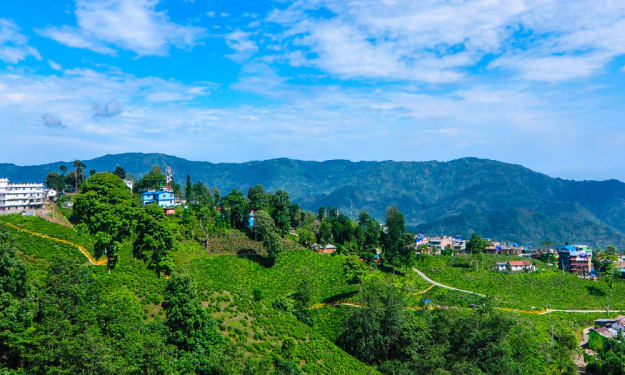
Nepal is a country that is blessed with huge mountains, various terrains with high peaks and low forests. They also boast beautiful sites for tourism and natural events and are home to numerous species of animals and natural wonders.
By Nepal Trek Adventures & Expedition Pvt. Ltd2 years ago in Wander
Worth the Wait: Puerto Viejo, Costa Rica
Beach bumming in a small Caribbean beach town sounded like a perfect way to end our 6-month trip through Mexico and Central America. Or so we thought. The foul, fishy stench of rotten seaweed hit our nostrils as we stepped from the cramped bus and looked out at a rather depressing, empty, and underwhelming black sand beach. It was pouring with rain, and we had to quickly fish out our ponchos. We thought, this couldn’t be it, could it?
By Sh*t Happens - Lost Girl Travel10 days ago in Wander
Moscow at Midnight: Stories Hidden in Russia’s Quiet Streets
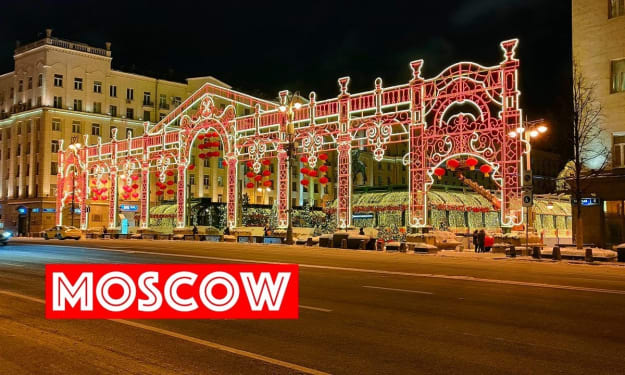
Cities often reveal their true character after sunset. The noise softens, crowds fade, and ordinary streets begin to feel different. Moscow is one of those cities that changes completely when night arrives. During the day, it moves with purpose. Cars rush through wide roads, people hurry between offices, and tourists fill historic squares. But late at night, the atmosphere becomes slower and more reflective. Streetlights glow over old buildings, quiet parks hold memories of past centuries, and the city feels both peaceful and mysterious. Many people imagine Moscow as powerful and serious, yet it also holds moments of silence, beauty, and personal stories. To understand Moscow fully, one must look beyond headlines and explore the emotions hidden within its streets.
By Muqadas khana day ago in Wander


Comments
There are no comments for this story
Be the first to respond and start the conversation.