

How can a rolling stone gather moss? How does one with wanderlust put down roots? Sometimes it takes leaving your hometown to find your home. It took me traveling halfway across the globe to find mine. In the end, my home was not a place, but a heart I found in the desert.
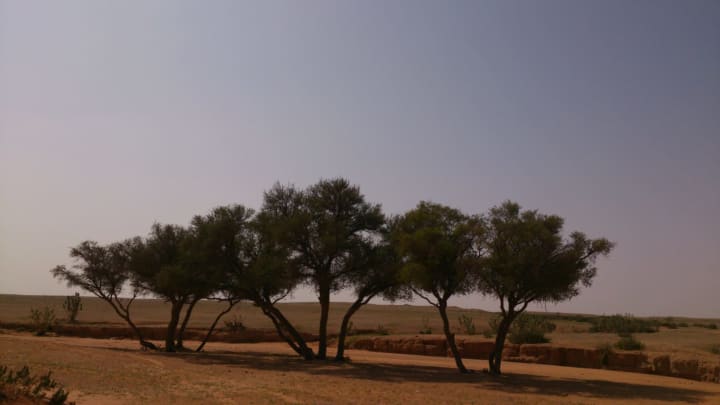
I moved to Saudi Arabia in 2013 to teach at a women’s university. When I first decided to make my way overseas, I planned to learn Arabic and to eat delicious food. I planned to see new places, to experience different cultures and to make very good money. Though I did most of these things (who knew I would be surrounded by English as much as I was surrounded by Arabic),

the thing I never planned was to find my home, my heart, my husband. Like myself, my husband was a traveler far from his home. Unlike myself, my husband was far from home, not to scratch the itch of travel, but forced out by war and sanctions. The two of us, strangers in a strange place, found home within one another.
We married and lived together in Riyadh, the capital city of Saudi Arabia; an expanding metropolis, smack in the middle of a vast desert. To my foreign eyes, Riyadh was an impressive fete of a city. In less than 70 years, the city grew from a population of under 150,000 citizens and buildings of cobb
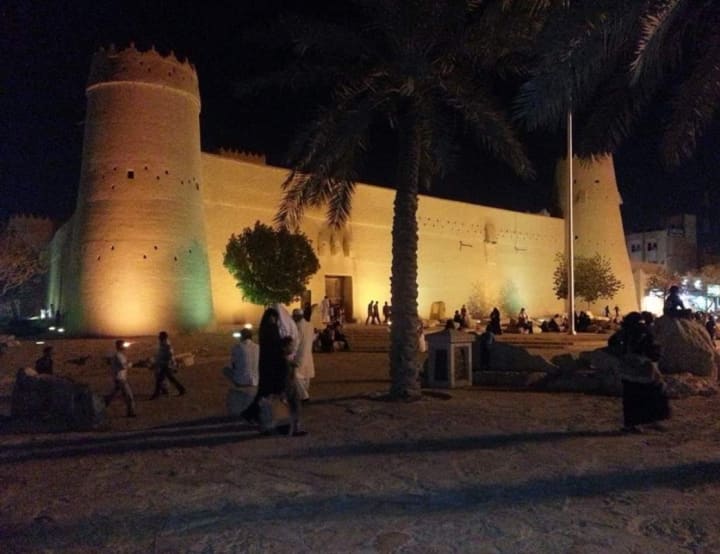
to being home to 7.5 million people from all over the world, housing some of the most unique high rise towers,
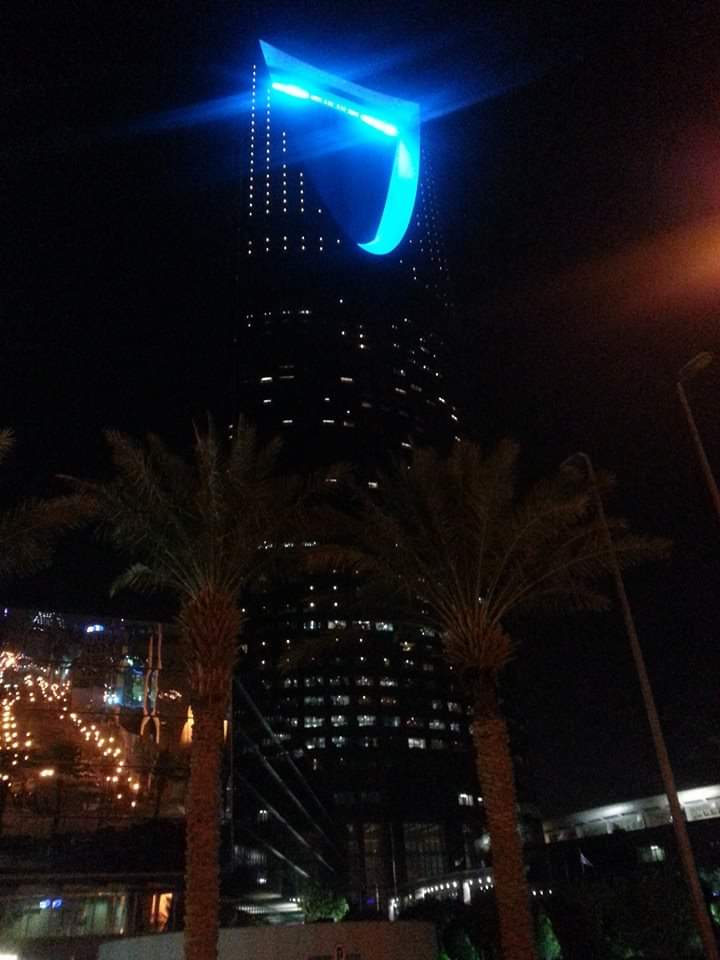
a bustling financial downtown, shopping centers that rival some of the world’s greatest and an abundance of restaurants serving global cuisine. It was a city of constant growth and construction, mouth watering aromas and the world’s top consumers of beauty products.

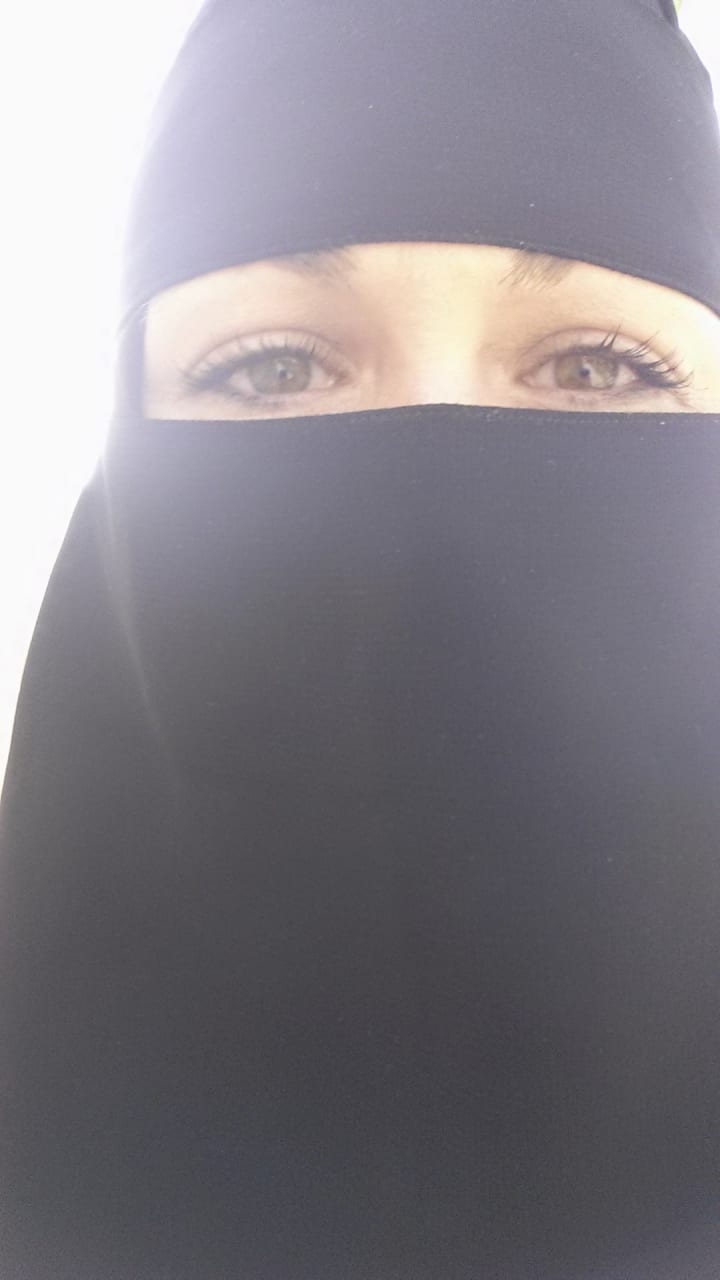
Despite the lightspeed development into the modern world, Riyadh and it’s citizens held to some of their most important and conservative cultural traditions. Men walked the streets wearing their dignified white thobes and checkered ighals, shalawar kameez, dhotis and of course western fashion. All women, regardless of their culture and country of origin, wore the mysterious, flowing black abayas, oftentimes hidden behind niqab, revealing only their eyes. My husband had not originally been a fan of the niqab but realized its convenience when he saw his very white American wife no longer stick out and garner unwanted attention. It made him feel more comfortable about my safety. For myself, it was easier and more inconspicuous to don the traditional attire. I regularly left my home, pairing niqab with abaya and blending in with the streams of black against the tawny backdrop of the desert city.
Riyadh was a very hot and very dry place. In the summer, it could easily reach 50 degrees celsius or over 120 degrees fahrenheit. Though it was not ideal to spend time outside, my laundry would dry on the line within an hour and sweat evaporated before I could even feel it drip down the side of my face. Jumping from air conditioned building to air conditioned car back to air conditioned building was the norm. Only after the sun had set, did the city come to life with people filling the streets for shopping, eating and leisurely walks through the parks. On many nights, we ate late night snacks from the food trucks that lined the roads leading to the desert. I can still taste the hot hummus beans with vinegar and the soft-serve strawberry ice cream we savored on the warm desert nights we ventured out.
My husband worked as a project manager for a large construction company, helping to build and expand the city, bringing it into the modern era. He left behind his mark in building designs at hospitals, on bridges and in high rise hotels and towers. My work in Riyadh left less of a grand scale mark than my husband’s; however, I like to think I connected more on a personal level with my students. I worked as a teacher at the largest women’s university in the world, yet I felt as though I was surrounded by school girls rather than collegiate students. Because of the closed conservative culture, for these young women, attending university every day was as much a social outlet as it was an institute for learning. On the few occasions it rained in the winter, the courtyards filled with squeals of delight at the rarity of the weather.
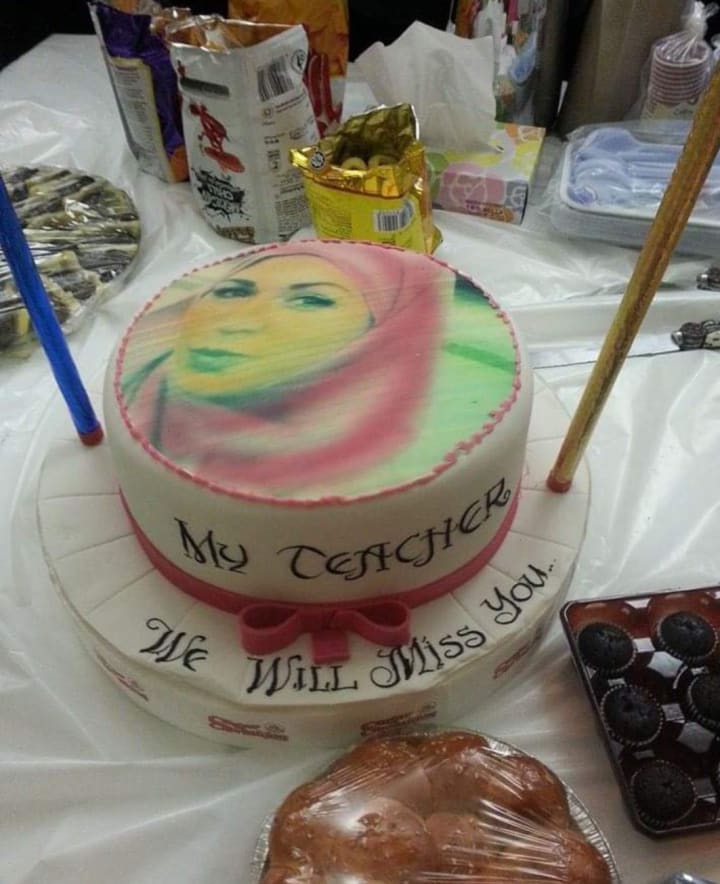
Like children, these young women would go out to play in the raindrops with little care of getting wet. The halls of the buildings were filled with loud, falsetto feminine chatter and laughter, hugs and running students with their abayas billowing behind them. Because of their tradition of respect, we were kindly and obediently called Teacher every time, despite telling them our names. Many girls fawned over their teachers. In their efforts to connect with us, we were showered with sweets and gifts and surrounded by giggling girls before and after class. During my first semester, the young women in my class had two cakes made for my birthday and I was given flowers and gifts and an abundance of compliments. They adored me and I adored them back.
My final year in Riyadh, I stayed home with my newborn son. Though I glowed with joy and peace as a first time mother, the days were utterly lonely in our apartment. Day trips out of the home were rare, as they are for many new mothers, but even more so in Riyadh. In the years I was there, women were not allowed to drive in Saudi. Taxi drivers’ livelihoods depended on women who found the need to venture from their homes out of necessity or boredom. My husband would drive me wherever I needed to go and often patiently waited in the car through doctor appointments and short shopping trips. The chaotic streets of the city were like the wild west and the hand of the law was rarely seen except for investigating accidents. Even if women had been allowed to drive, I wouldn’t have wanted to. Drivers in the United States are safe, obedient and orderly, but the American penchant for following the rules of the road doesn’t prepare you for the need of heightened awareness and self defense when navigating the streets of Riyadh.
Our neighborhood in Riyadh was just on the outskirts of the city. There was a busy traffic circle at the end of our road where the city district met the road that took travelers to the soft sands of the desert. That road was a long straightaway that was a favorite for those who liked to race their cars. My husband and I had a special name for that intersection. About two or three times a month, we were guaranteed to find an abandoned car stuck in the middle of the rotary because someone couldn’t navigate the curve and instead went flying over the curb into the center. The stranded vehicle was bottomed-out and left as testament to the driver’s dangerous and hilarious stupidity the night before. We roared with laughter as we passed this section of roadway on the mornings we found yet another new broken down monument in “jerk trap circle”.
Our years in Riyadh were filled with love and first times. We traveled to the two coasts, visited the two holy cities,

and between these destinations, witnessed inspiring architecture,

breathtaking views,
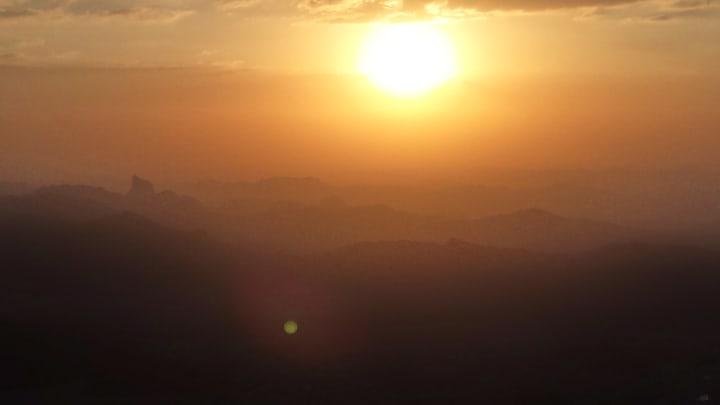
and lots of camels.

Together we built the foundations of a beautiful home. Time marches, the world changes and like the shifting sands of the desert, Saudi, as it has always done, began to shift as well. Sadly, as foreigners in this richly beautiful but extremely nationalistic country, we could not stay. My husband and I with our one year old, once again, packed up our few belongings, this time together, and moved overseas to the United States.
The three years we spent together in Riyadh hold a special place in my heart and the nostalgia is almost tangible. I know these memories would not be nearly as sweet if my husband had not been a part of them and I cherish them all. Although my fondness for Riyadh and Saudi is palpable, my feeling of home when reminiscing is connected more to my husband than to the land itself.
For wanderers and rolling stones and those who lose their homes, it is not where our home is built that matters, but with whom. My husband and I have long since moved from Riyadh. Though I hold very dear the memories of living there, as I do all of the other places we have lived, it is in the heart and with those I love that I have found home. Al Qalb Huwa Al Watan.
About the Creator
Keep reading
More stories from writers in Wander and other communities.
Worth the Wait: Puerto Viejo, Costa Rica
Beach bumming in a small Caribbean beach town sounded like a perfect way to end our 6-month trip through Mexico and Central America. Or so we thought. The foul, fishy stench of rotten seaweed hit our nostrils as we stepped from the cramped bus and looked out at a rather depressing, empty, and underwhelming black sand beach. It was pouring with rain, and we had to quickly fish out our ponchos. We thought, this couldn’t be it, could it?
By Sh*t Happens - Lost Girl Travel3 days ago in Wander
Guard Your Battery
Why are some people so attractive just by standing there? It’s not because they are "likable," but because they don’t need everyone to like them. I realized later that truly charismatic people allow themselves to be criticized, but they never criticize themselves. They never try to please the world; instead, the world stops to watch them.
By Emily Chan - Life and love sharing5 days ago in Poets



Comments
There are no comments for this story
Be the first to respond and start the conversation.