
10 Reasons Why U.S. Buyers Should Source Products from Nepal
Nepal is emerging as a unique sourcing destination for U.S. businesses looking for authentic, sustainable, and ethically made products.

When Americans think of Nepal, the first images that come to mind are snow-capped Himalayan peaks, Mount Everest, and colorful prayer flags. Yet beyond its breathtaking landscapes, Nepal is emerging as a unique sourcing destination for U.S. businesses looking for authentic, sustainable, and ethically made products.
For American retailers, wholesalers, and conscious brands, sourcing from Nepal isn’t just about inventory—it’s about offering products with authenticity, heritage, and social impact.
Here are 10 powerful reasons why U.S. buyers should look to Nepal as their next trusted sourcing partner.
1. Strong Appeal to the U.S. Wellness & Lifestyle Market
The U.S. wellness industry is worth more than $480 billion and continues to grow, with demand for yoga, meditation, and holistic living products skyrocketing. Nepal is uniquely positioned to supply this market.
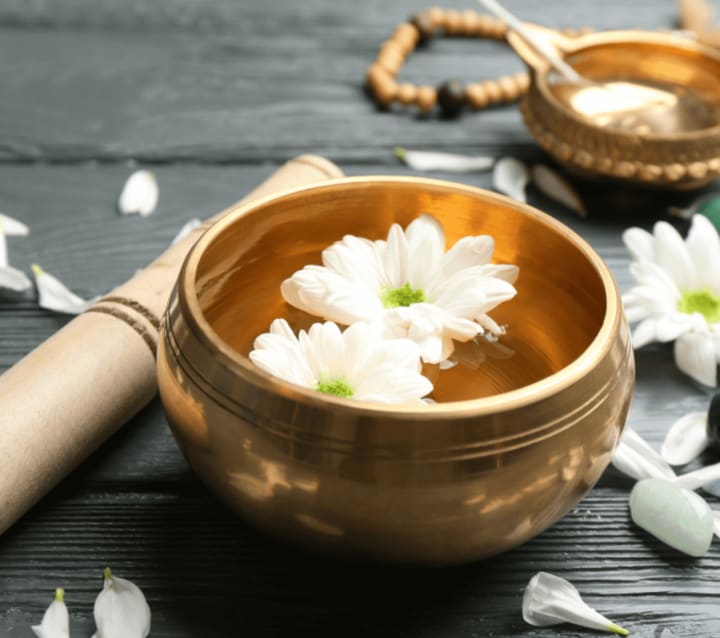
Products like singing bowls, incense sticks, meditation cushions, essential oils, and thangka art are already popular in America. They fit seamlessly into yoga studios, wellness retailers, and lifestyle e-commerce stores, making them highly marketable to U.S. consumers who seek mindfulness and relaxation.
2. Sustainable & Eco-Friendly Materials
American consumers—especially Millennials and Gen Z—care deeply about sustainability. Studies show that 78% of U.S. shoppers prefer to buy from environmentally responsible brands.
Nepal offers exactly what they’re looking for: hemp textiles, felt wool products, handmade lokta paper, and natural-dye fabrics. These are biodegradable, durable, and eco-conscious alternatives to synthetic goods, making them ideal for U.S. fashion brands, stationery lines, and eco-lifestyle retailers.
3. Authentic, Handmade Alternatives to Mass Production
In the United States, there’s a growing desire for products that feel authentic and not mass-produced. Nepal excels in this area.
Whether it’s hand-knotted carpets, jewelry, wood carvings, or artisanal ceramics, each item is crafted by skilled artisans using time-honored techniques. This authenticity not only sets products apart in the U.S. market but also gives American brands a rich storytelling advantage when marketing to customers.
4. Competitive Pricing with Premium Quality
Handmade, sustainable, and ethical often mean “expensive” in the U.S.—but Nepal challenges that assumption. Nepali products offer competitive pricing without compromising on quality.
For U.S. buyers, this means stocking eco-friendly bags, herbal teas, artisanal home décor, or felt accessories at attractive wholesale prices while still enjoying healthy retail margins. It’s a chance to offer premium goods at fair costs.
5. Ethical Trade & Women Empowerment
Many industries in Nepal—such as felt-making, weaving, and incense production—are women-led and community-driven. By sourcing from Nepal, U.S. businesses directly contribute to women’s empowerment, fair wages, and rural development.
This ethical sourcing story resonates strongly with American consumers, who increasingly want their purchases to support social good. For U.S. brands, this is a powerful marketing narrative.
6. Cultural & Spiritual Resonance
From California yoga retreats to New York meditation centers, American culture is embracing spiritual practices rooted in South Asia. Nepal is a natural fit for this market.
Products like thangka paintings, prayer flags, malas, and singing bowls aren’t just imports—they are deeply symbolic tools that connect with U.S. lifestyles and values. For businesses, this means selling products that already have built-in demand among spiritually minded consumers.
7. Rising Demand for Nepali Agricultural Products
Beyond handicrafts, Nepal is gaining recognition in the U.S. for its agricultural exports.
Himalayan honey is valued for its purity and antioxidants, often marketed as a “superfood.”
Black cardamom is in demand for its smoky flavor in South Asian and gourmet cooking.
Ginger and herbal teas are widely consumed in the U.S. health and wellness market.
These natural products give U.S. retailers and specialty food stores unique inventory with strong consumer appeal.

8. Specialty Foods with Growing Potential
The U.S. market for diverse, high-protein snacks and ethnic foods is booming. Nepal’s HALAL-certified buffalo jerky, rich in protein and seasoned with Himalayan spices, has already started attracting interest in U.S. niche markets.
For gourmet stores, health-conscious snack brands, and online food retailers, this is a product with clear growth potential.
9. Trade-Friendly Relations Between Nepal & the U.S.
Nepal enjoys strong trade relations with the United States. Programs like the Generalized System of Preferences (GSP) have provided tariff benefits on certain Nepali exports, and the Nepali government actively supports handicrafts and agricultural goods for export.
For U.S. buyers, this means easier processes, improved certification systems, and better logistics when sourcing directly from Nepal.
10. Products with Impact & Storytelling Power
Today’s American consumers don’t just buy products—they buy stories. They want to know where something came from, who made it, and what impact their purchase has.
By sourcing from Nepal, U.S. brands can tell powerful stories about artisans, communities, and traditions. Every product carries cultural depth and social value, which resonates strongly with conscious American buyers.
Why Partner with Sourcing Nepal?
At Sourcing Nepal, we help U.S. businesses discover and access the best of Nepal’s exports. Our services include:
✅ Verified and ethical suppliers
✅ Custom packaging to meet U.S. retail standards
✅ Smooth logistics and global shipping
✅ Transparent communication and reliable transactions
🌏 Source Smart. Source Sustainable. Source Nepal.
For U.S. retailers, wholesalers, and conscious brands, sourcing from Nepal means more than adding products to shelves. It means aligning with sustainability, authenticity, and social impact—values that resonate with the American market today.
About the Creator
Escape the Australian Winter: Your Ultimate Sri Lanka Escape (June – August)
As the first frost settles over the suburbs of Melbourne and the winds pick up across Sydney Harbour, a collective longing for the sun begins to stir. While most Australians look toward the predictable resorts of Bali or Fiji, a more exotic, soul-stirring alternative awaits just across the Indian Ocean.
By Seth Marshal5 days ago in Wander




Comments
There are no comments for this story
Be the first to respond and start the conversation.