
Wide Awake and Weary: What Happens When You Don't Get Any Sleep?
Exploring the Physical and Mental Effects of Prolonged Sleep Deprivation
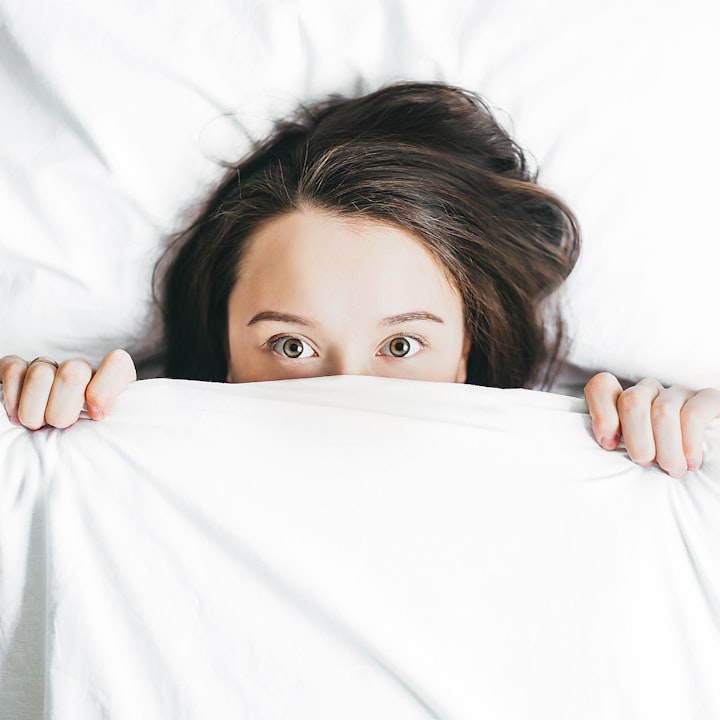
Ah, slumber! It seems that one can never have enough of it. Sometimes, it feels as if we aren't getting adequate sleep, but have you ever wondered what would happen if you stopped sleeping altogether?
Interestingly, science still has limited understanding of why we sleep and how it originally evolved. The idea of remaining unconscious and inactive for extended periods while predators lurk nearby doesn't seem advantageous or wise at first glance.
Nonetheless, a few correlations have been discovered. For instance, adults who sleep between 6 to 8 hours each night generally have longer lifespans. Conversely, excessive sleep can lead to health issues such as cardiovascular disease and diabetes. Similarly, chronic sleep deprivation has been linked to various conditions including cardiovascular problems, obesity, depression, and even brain damage.
Now, let's delve into what would happen if you were to stop sleeping right now. After your initial sleepless night, your mesolimbic system becomes stimulated, resulting in increased dopamine levels. This may actually trigger extra energy, motivation, positivity, and even a heightened sex drive. While this may sound appealing, it is a slippery slope. As time goes on, regions of your brain responsible for planning and evaluating decisions gradually shut down, leading to more impulsive behavior. Once exhaustion sets in, you will experience slower reaction times, reduced perceptual abilities, and cognitive impairment.
After a day or two of no sleep, your body's ability to metabolize glucose properly declines, and the immune system becomes less effective. In some cases, going without sleep for three days has led to hallucinations. As your tired brain yearns for some well-deserved rest, it starts to go a bit haywire. It's as if someone turned up the volume on your imagination dial to maximum! Suddenly, you find yourself witnessing a wild show of vibrant images and strange sounds that have no basis in reality. Shadows take on a life of their own, objects transform into mind-boggling shapes, and whispers seem to echo from nowhere. Reality becomes a hazy concept as your exhausted brain grapples to distinguish between what's actually happening and what's simply a product of your sleep-deprived mind. It's like being trapped in a real-life Alice in Wonderland, where the line between the everyday world and an otherworldly dreamland blurs into a surreal and captivating experience.
If you care about your appearance, studies have shown a direct correlation between sleep deprivation and a person's perceived beauty. Sleep-deprived individuals were seen as less healthy and attractive compared to when they were well-rested. When you're sleep-deprived, that natural glow and radiance tend to fade away. Your complexion may appear dull and lackluster, with dark circles and puffy eyes making an unwelcome appearance. Your skin loses its smoothness and elasticity, making fine lines and wrinkles more prominent. Not getting enough shut-eye can even throw off the balance of hormones, leading to increased inflammation and breakouts.
The longest scientifically documented case of staying awake was 264 hours, or 11 days. Although the individual experienced concentration problems, altered perception, and irritability, surprisingly, they did not suffer any serious long-term health effects. However, it is important to note that these documented conditions were limited, and it does not imply that no permanent damage could be inflicted with more time.
Sleep deprivation experiments on rats, for example, usually result in death after approximately two weeks. However, scientists are uncertain whether the cause of death is the lack of sleep itself or the stress caused by constant disturbances. To find potential answers, one could consider fatal familial insomnia, a rare genetic brain disorder that progressively worsens insomnia or the inability to sleep, leading to hallucinations, dementia, and eventually, death. This disease has affected only about 100 individuals worldwide, and on average, their survival spanned around 18 months.
Over time, the lack of sleep becomes increasingly severe, causing the body's organs to shut down. While a lack of sleep may not swiftly lead to your demise, continuous sleep deprivation will undoubtedly have negative effects on your body.
About the Creator
Keep reading
More stories from Nana Sarpong and writers in Viva and other communities.
Cracking the Code of Rejection: Understanding Why You're Facing Relationship Setbacks
Dealing with rejection can be a challenging and disheartening experience, especially when it comes to romantic relationships. If you find yourself repeatedly facing rejection from people you're interested in, it's essential to understand that it's not a reflection of your worth or desirability as a person. Instead, it may stem from various factors, including compatibility, timing, or individual preferences. In this article, we'll explore the common reasons why you may be facing rejection and provide ten actionable solutions to help you navigate and overcome this hurdle, ultimately increasing your chances of finding a fulfilling romantic connection.
By Nana Sarpong3 years ago in Humans
Germany Downplays US Threat to Greenland
Introduction Recent comments about the United States and Greenland have drawn international attention, especially in Europe. Reports suggesting that the US could threaten or pressure Greenland have raised concerns among NATO allies and Arctic nations. In response, Germany’s Foreign Minister Johann Wadephul has moved to calm the situation. He has clearly stated that Germany does not see a serious or immediate threat from the United States toward Greenland and has urged allies to focus on cooperation rather than speculation.
By sehzeen fatima7 days ago in Viva
Recapping an Amazing Night for the Knockouts on Impact's AMC Premiere
The broadcast history of Total Nonstop Action Wrestling has always been quite interesting. TNA started in 2002, but it wasn't until 2004 that they had an actual TV deal. I remember their days on Fox Sports Net, but it was in the fall of 2005 that TNA moved to what was then known as Spike TV, moving there just days after the network aired WWE's Raw program for the final time. It was around that time that I started watching TNA, and they were on Spike for nine years. After that, it was years of being on a lot of different channels. Destination America and Pop, two channels that no one would know without TNA. It's similar to how TruTV airs the earliest March Madness games. I still remember the brief time when they were on Twitch in 2019, but that ended that fall when they moved to AXS TV.
By Clyde E. Dawkins4 days ago in Viva
Smart phones, Humans and Aliens.
WARNING. I will be tapping into one of your favorite creative tensions: The absurdity of humans worshipping their glowing rectangles as if they were tiny oracles. There’s something deliciously poetic about that contradiction, and it lends itself beautifully to an instructive proviso.
By Novel Allen4 days ago in Poets


Comments