
Why Dambulla is Ideal for History and Culture Enthusiasts
Exploring Sri Lanka’s Cultural Crossroads
Shaped by centuries of religious practice, royal support, and everyday life, Dambulla has a special place in Sri Lanka’s cultural story. Its historical significance is woven into its many monuments and eras, visible in the layers of architecture, rituals, and settlements. If you are curious about how culture has changed over time, Dambulla provides a focused and easily accessible glimpse.
A Forever Iconic Landmark
Unlike places that are defined by restored ruins or carefully curated heritage areas, Dambulla has a sense of continuity. The religious sites are still in use, the communities around them are well-established, and cultural practices have adapted to modern times. Rather than being separate from everyday life, history is woven into the fabric of it. The region’s geography has been a big reason why this continuity has lasted so long. Being close to old trade and pilgrimage paths, Dambulla became a natural place to pause. This gave religious, artistic, and social traditions a chance to grow and flourish for centuries.
The Cultural Significance of Sacred Space
The Dambulla Cave Temple is at the heart of Dambulla’s religious life. What makes this complex so interesting is how it has developed over time. Different eras introduced new artistic styles, symbols, and building methods, so visitors can see how religious expression has changed without leaving the site.
Dambulla and Historical Context
Cultural spots are often seen as isolated places, but Dambulla showcases a different perspective. Its sites are close, connected by history and culture. Nearby reservoirs, ancient burial grounds, monasteries, and towns all fit into the same story. This connection is why Dambulla is still so important to historians and cultural experts. It is a testament to how religious practices, farming, government, and community life were all linked together in the past.
Where to Stay for Culture and History Enthusiasts
The places travellers choose to stay can really influence how they experience the area. A property that harmonises with its surroundings invites you to look around; this can be what separates a good stay from a great stay. Some of the best hotels in Dambulla Sri Lanka, integrate this into their philosophy. Heritance Kandalama is a perfect example of this through the way it connects sustainable architecture with its surroundings.
Living Traditions and Everyday Cultural Expression
Dambulla’s charm goes beyond its ancient buildings; it is also about the lively traditions that still thrive there. Religious ceremonies, loud local markets, and colourful seasonal festivals highlight the authenticity of Sri Lanka’s culture. These everyday moments show how heritage is lived and preserved beyond the confines of museums and protected areas. If you are passionate about culture, this provides a more authentic glimpse into Sri Lanka’s history.
Dambulla and Sri Lanka’s Cultural Triangle
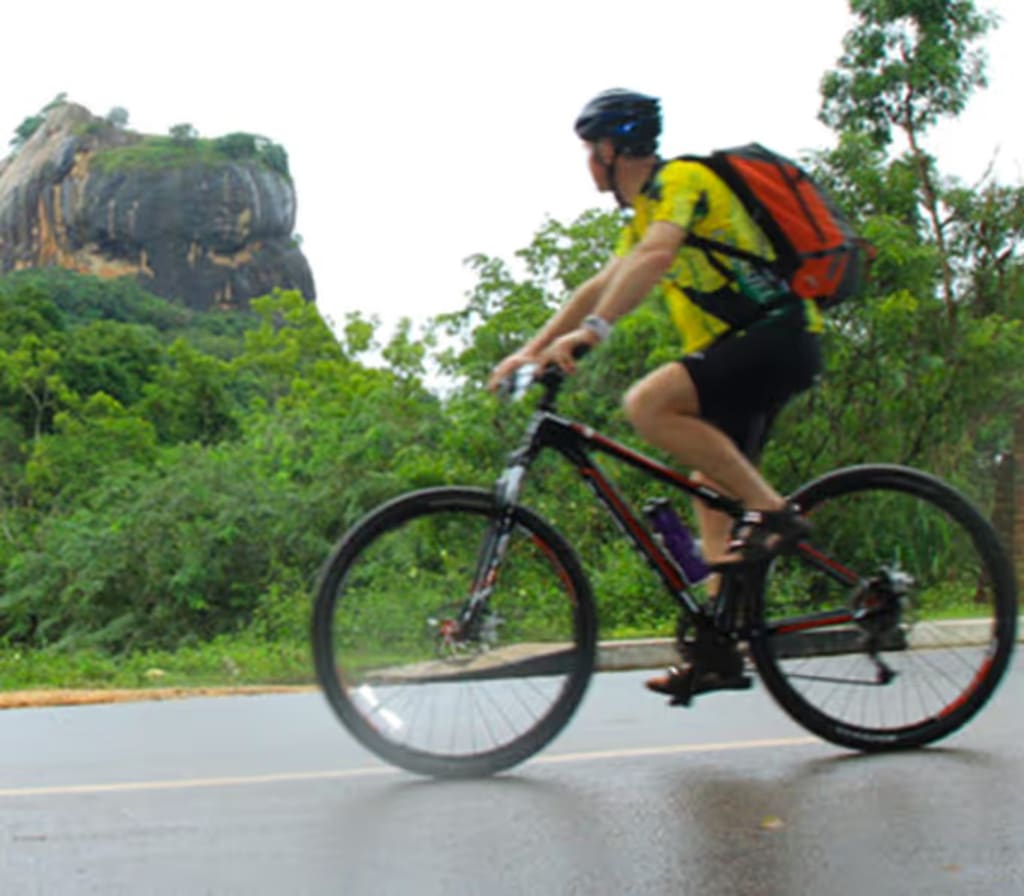
Dambulla is a key part of Sri Lanka’s Cultural Triangle, which brings together important historical spots through their shared political and religious past. The Cultural Triangle is a region that contains ancient capitals like Anuradhapura, Polonnaruwa, and the hill capital Kandy, in addition to key sites in Dambulla like Sigiriya (Lion Rock) and Dambulla Cave Temples. The iconic rock fortress of Sigiriya is a sight that many are already familiar with. There is also a major religious significance to some of the sites within this informal cultural triangle. Many of the sites in Anuradhapura, Polonnaruwa, Kandy, and even Dambulla house some sites that are of major importance to Buddhism. There is also a rich wildlife diversity to be experienced in the region, with nearby national parks like Minneriya being famous for elephant viewing.
Dambulla resonates with travellers eager to learn and reflect. Its sites reward patience, deep reading, and curiosity. Here, cultural understanding grows gradually, shaped more by observation than by explanations alone. This makes Dambulla particularly appealing for those interested in archaeology, religious studies, architecture, or South Asian history.
About the Creator
Keep reading
More stories from Aurora Gianna and writers in Viva and other communities.
Why Da Nang Is a Growing Destination for Wellness Travel
Da Nang has emerged as a wellness destination not through aggressive branding, but through alignment. The city sits between the East Sea and forested mountains, creating an environment where balance feels instinctive rather than curated. Unlike high-density Asian capitals, Da Nang moves at a calmer pace while still offering modern infrastructure, quality healthcare access, and international connectivity. For wellness travellers, this combination is powerful. It removes friction while preserving tranquillity, allowing restoration to begin the moment one arrives rather than after days of adjustment.
By Aurora Gianna9 days ago in Viva
A Deep Dive Into Nattie Neidhart's Evil Motivations
It's amazing that this upcoming April will mark 18 years since Natalya Neidhart debuted on WWE's main roster, doing so on SmackDown. Wrestling is literally in her blood, coming from the prestigious and hallowed Hart family, and overall, Nattie's been displaying her immense talents for over a quarter-century. Her SmackDown debut was a villainous one, and to this day, I still say that her name being stylized to "Natalya" was done to make her more evil and sinister (it's an amazing touch).
By Clyde E. Dawkins8 days ago in Viva
Why Qatar’s Culinary Culture Is Evolving So Rapidly
A country known for a great experience when it comes to the food scene is none other than Qatar. This change in the dining culture has transformed Doha into a place where food lovers actively look for high-quality experiences. International chefs, local talent, as well as luxury hospitality brands contribute in a big way to shape this aspect of Qatar. This growth also shows up in the lifestyle changes, rising tourism and strong investment in the food sector. This has helped Qatar build a reputation as a destination where thoughtful cooking, warm service and beautiful settings come together.
By Claudia Fennelabout 2 hours ago in Viva




Comments (1)
good