
Why Abu Dhabi Deserves More Than a Day Trip: A First-Timer's Guide to the UAE's Capital
Culture and History Set Against a Modern Backdrop
Most people visiting the UAE think of Dubai first – and perhaps only. Granted, it’s one of the best places to visit, but a short drive away is Abu Dhabi, the UAE’s capital. Perhaps a sight less flashy than Dubai, it is more traditional and has that authentic Middle Eastern vibe. From mosques to beaches, there’s so much to do here. If you’ve planned a one-day trip, you might find yourself needing more time.
When Should You Visit?
Abu Dhabi can get extremely hot – to the point that it’s too much sometimes – especially during the summer months from June to September. If you’re not used to high heat, sightseeing may feel like a sweaty workout – unless you find the best hotel to stay at and enjoy its air-conditioned comforts at a discounted price.
The best time to visit Abu Dhabi is often considered the period from November to March. The weather is warm and pleasant, and you can actually enjoy walking around, visiting the beach, and exploring the desert without feeling like you’ve just turned on the oven in summer. This time of year is also when the city comes alive with events, music, and food. Remember, however, that it’s also the busy season, so book your hotel as soon as you can.
If you don’t mind the crowds and the heat, the shoulder season in October or April can be a good time to visit, too.
Where to Stay
Abu Dhabi has a range of places to stay. If it’s your first visit, you’ll want to be close to all the action, so a place near the Corniche is a great option. It’s central and close to city attractions, the beach, parks, and restaurants. You’ll be able to walk around and really enjoy your time here.
If you’re considering hotel apartments in Abu Dhabi near the Corniche, your options include Oaks Liwa Executive Suites.
History
What you find in Abu Dhabi isn’t limited to buildings, parks, and beaches; the city has a fascinating history, which adds depth to the historical attractions you’re sure to come across during your time there.
No more than a few decades ago, Abu Dhabi was a village by the sea, known for fishing and pearl diving. There were none of the skyscrapers, well-paved roads, or modern transport you see today. Then came oil.
In the 1950s, the city discovered oil, and things changed. With the money earned from oil, the city was modernised.
In just 60 years, Abu Dhabi went from being a small village to a modern cosmopolitan city visited by thousands. This transformation – and the history behind it – can be felt everywhere in the city.
Things to Do
Take a look at the following things to do and sights to see, and you’ll understand why one day simply doesn’t do this getaway justice.
Sheikh Zayed Grand Mosque: One of the largest mosques in the world, Sheikh Zayed Grand Mosque is a definite must-visit. The white marble exterior gives you a clear idea of what to expect inside: something equally extraordinary. The beautiful architecture, with gold details, and the peaceful atmosphere leave a lasting impression. Non-Muslims are welcome in the mosque.
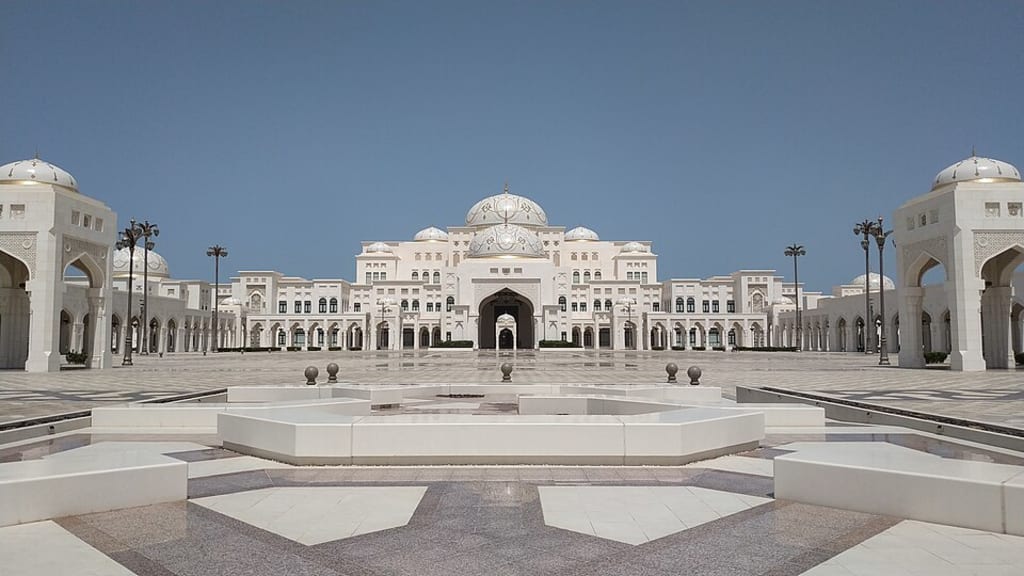
Qasr Al Watan: It’s a working presidential palace, but it also feels like a museum. The building is grand, with domes, chandeliers, and intricate carvings. Visiting Qasr Al Watan is a must for a closer look at Abu Dhabi’s culture, values, and leadership.
Louvre Abu Dhabi: Art lovers will find plenty to admire at Louvre Abu Dhabi. The building itself, with its floating dome and sea views, is a wonder.
The Corniche: A great place to relax at the end of the day, the Corniche stretches along the waterfront, with bike paths, parks, and cafés.
Yas Island: With theme parks, beaches, malls, and a Formula 1 racetrack, Yas Island promises adventure. You’ll need at least half a day to explore the island.
Heritage Village: To get a feel for old Abu Dhabi, visiting the Heritage Village is a must. With tents, mud-brick houses, and handmade crafts, the village shows how people lived before oil was discovered.
About the Creator
Keep reading
More stories from ameliarosanna and writers in Viva and other communities.
Why Phi Phi Islands Offer the Ultimate Holiday Escape
The country of Thailand offers many distinctive tourist destinations and amongst the most alluring of these is the enchanting Phi Phi Islands. These lovely islands are renowned for their sublime natural beauty, meaning that there are plenty of appealing opportunities here for exploring, discovering and photographing. Some of the outstanding reasons why this exotic part of Thailand is a delightful escape for travellers seeking leisure are described below.
By ameliarosanna9 months ago in Viva
Why Staying Near Victoria Falls Transforms Your Safari Experience
A safari is not only about the animals spotted on a drive. It is shaped by where the day begins, how it unfolds, and how it ends. Near Victoria Falls, the experience feels calmer, richer, and far more personal. Staying close changes the pace, the mood, and the way the wild is remembered.
By Claudia Fennel3 days ago in Viva
Why Kandy is a Top Destination for Luxury Hill Country Stays
Kandy draws people in quietly. It does not demand attention with spectacle or excess. Instead, it offers a slower pace, softer air, and a feeling that life has eased its grip, which is exactly why luxury feels so natural here.
By Daphne Olga3 days ago in Viva


Comments
There are no comments for this story
Be the first to respond and start the conversation.