
What Opportunities Are There With Ecotourism in Bali?
Ecotourism in Bali
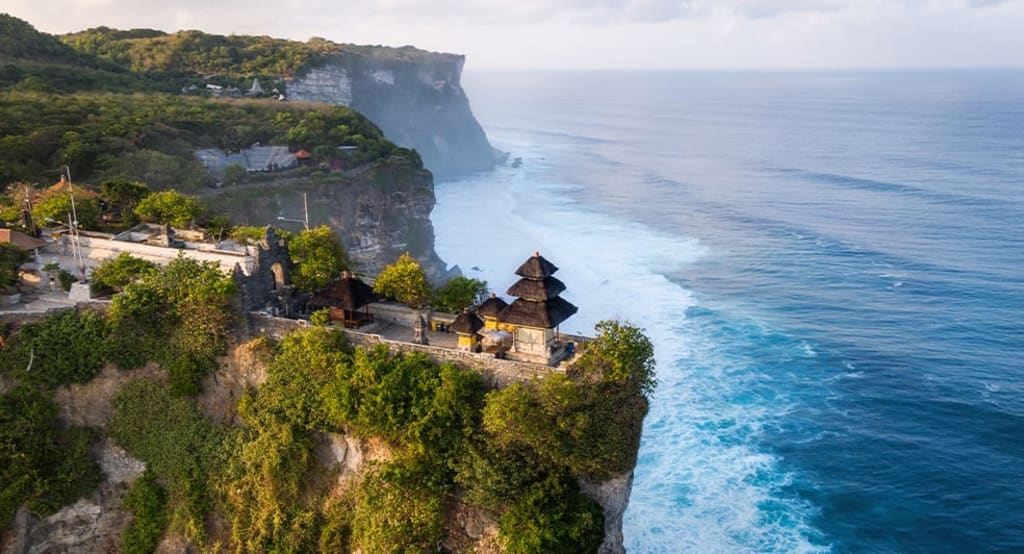
As the world increasingly leans towards sustainable travel, it is becoming apparent that tourism in Bali is changing. Known for terraced rice fields, ancient temples and the best surf breaks in the world, Indonesia's "Island of the Gods" needs eco-friendly tourism more than ever. Learn how the worldwide shift towards eco-friendly practices has enhanced the experience of both visitors and locals, as well as the prospects for ecotourism on the island.
Economic Empowerment of Local Communities
One of the most significant opportunities presented by ecotourism in Bali is the potential for economic empowerment of local communities. By attracting eco-conscious travellers, communities can generate income through sustainable practices that protect their natural resources. Eco-lodges, guided nature tours, and local handicrafts create jobs and foster entrepreneurship.
For instance, many villages have begun offering homestays that allow visitors to experience traditional Balinese life. This not only provides a source of income but also helps preserve cultural traditions as locals share their customs with guests. It allows foreign tourists to participate in ecotourism while ensuring that the communities’ cultures, as well as their environmental connection, are not undermined.
Conservation of Biodiversity and Natural Resources
Ecotourism provides a unique opportunity to support conservation efforts in Bali’s rich and diverse ecosystems. The island is home to a wide variety of flora and fauna, including endangered species such as the Bali starling. Funds from tourism can be utilised to protect habitats and wild animals, creating educational awareness for namely habitat restoration or wildlife protection programmes.
Tourism revenues can be reinvested in conservation projects, such as habitat restoration and wildlife protection programmes. For instance, the establishment of marine protected areas has allowed local fishermen to participate in sustainable fishing practices, safeguarding both their livelihoods and marine ecosystems. Visitors can contribute to these efforts by participating in activities such as coral reef restoration or wildlife monitoring programmes, enhancing their travel experience while supporting environmental preservation. Staying at sustainable hotels such as luxury resorts in Uluwatu Bali area is another great way for tourists to enjoy a green holiday. Anantara Uluwatu Bali Resort, for instance, is a Green Globe Certified property, having implemented a comprehensive, recycling-based waste management system, and sponsoring beach cleanups.
Promotion of Sustainable Practices and Education
Bali’s ecotourism also has the potential for encouraging tourists and locals to adopt ecologically sustainable practices. As awareness of environmental issues grows, travellers increasingly seek out experiences that minimise their ecological footprint, a shift from the mass tourism approach that was popular in the early days of tourism in Bali. These ecotourism initiatives can educate visitors about sustainable practices, encouraging them to adopt eco-friendly habits during their stay.
For example, many eco-lodges and tour operators emphasise energy conservation and responsible water use. Ecotourism encourages educational programmes on the environment and local culture, such as sustainable practices, traditional farming, and invasive species management. This awareness not only enhances the travel experience but also encourages visitors to become advocates for sustainability long after they leave.
Furthermore, local communities can benefit from training programmes that equip them with skills to implement sustainable practices in their daily lives. Workshops on organic farming, waste management, and renewable energy can empower locals to adopt environmentally friendly practices that enhance their quality of life while attracting eco-conscious travellers.
Development of Unique Experiences and Attractions
Ecotourism opens the door to the development of unique experiences and attractions that showcase the island's natural beauty and cultural richness. From the lush rice terraces of Ubud to exploring hidden waterfalls and beaches along the coastline, sustainable tourism offers travellers authentic adventures that go beyond traditional tourist experiences. Local communities have also encouraged this, urging visitors to seek experiences outside of the saturated travel hotspots in an effort to curb the issues caused by over-tourism.
Nature-based activities, such as birdwatching, snorkelling, and yoga retreats in serene environments, are increasingly popular among eco-conscious travellers. These experiences allow visitors to connect with Bali’s stunning landscapes while promoting physical and mental well-being, although it is important to always remain respectful of local traditions and customs, without encroaching on Balinese culture.
Moreover, supporting local businesses and artisans ensures a sense of respect, which includes purchasing products that reflect their cultural heritage, such as handmade crafts, organic foods, and traditional textiles. By highlighting these unique offerings, Bali can attract a niche market of travellers interested in authentic, sustainable products that support local communities.
These kinds of ecotourism trails and networks, developed with cooperation between local businesses, government agencies, and non-profit organisations, provide visitors with a comprehensive experience for viewing the island's natural wealth, along with its cultural enrichment.
About the Creator
Is Lab-Grown Meat Even Edible?
For decades, the idea of meat grown in a laboratory sounded like something out of science fiction. The concept of producing a steak or chicken nugget without raising or slaughtering animals seemed futuristic, even unsettling to many people.
By Navigating the World5 days ago in Viva
Why Staying Near Victoria Falls Transforms Your Safari Experience
A safari is not only about the animals spotted on a drive. It is shaped by where the day begins, how it unfolds, and how it ends. Near Victoria Falls, the experience feels calmer, richer, and far more personal. Staying close changes the pace, the mood, and the way the wild is remembered.
By Claudia Fennel2 days ago in Viva



Comments
There are no comments for this story
Be the first to respond and start the conversation.